
Artificial intelligence is everywhere. It writes emails. It answers customer questions. It even helps doctors read X-rays. But here is the twist. AI is not magic. It is a tool. And like any tool, it can build something great or break something important. Experts say many companies are excited about AI. Some use it well. Others rush in and regret it later. Let’s look at three real business uses of AI—and the common ways people mess them up.
TLDR: AI is powerful, but it is not a silver bullet. Experts say businesses win when they use AI to support people, not replace thinking. The biggest gains come from customer service, data analysis, and marketing. The biggest mistakes come from blind trust, poor data, and ignoring ethics.
1. Customer Service: Speed vs. Humanity
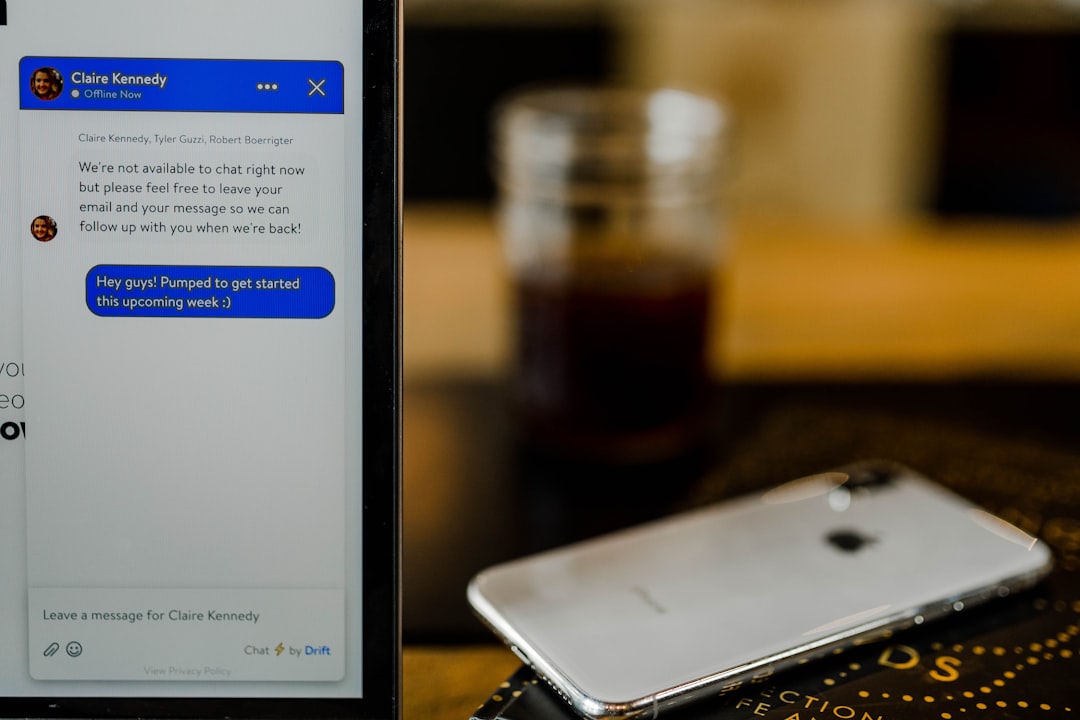
One of the most common uses of AI is customer service. You have seen it. The little chat bubble pops up. “How can I help you today?” That is often AI.
Experts say this is one of the smartest uses of AI—if done right.
The Real Use
AI chatbots can:
- Answer common questions 24/7
- Track orders
- Reset passwords
- Route customers to the right human agent
This saves companies time and money. It also saves customers from waiting on hold for 40 minutes. AI does not sleep. It does not get tired. It handles simple tasks fast.
Many experts say the sweet spot is AI as the first line of support. Let it handle basic requests. Then pass complex issues to a human.
The Misuse
Problems start when companies push AI too far.
Some businesses try to replace human agents completely. The chatbot becomes the only option. It gives scripted answers. It misunderstands problems. Customers grow frustrated.
Experts warn about something called the “empathy gap.” AI does not truly understand feelings. It predicts language. That is not the same as caring.
If a customer’s flight is canceled or their bank account is frozen, they want empathy. Not a robotic answer.
The Fix
- Be transparent. Tell customers they are talking to AI.
- Offer an easy way to reach a human.
- Regularly review chat logs for errors.
AI should reduce friction. Not create rage.
2. Data Analysis: Insights vs. Illusions
Businesses love data. Sales numbers. Website clicks. Customer habits. The problem? There is too much of it.
This is where AI shines.
The Real Use
AI systems can scan millions of data points in seconds. They spot patterns humans would miss. They can:
- Predict which customers might leave
- Forecast product demand
- Detect fraud in financial transactions
- Optimize pricing in real time
Retailers use AI to manage inventory. Banks use it to flag suspicious spending. Healthcare companies use it to predict patient risks.
Experts say this is AI at its best. It handles complexity at scale.
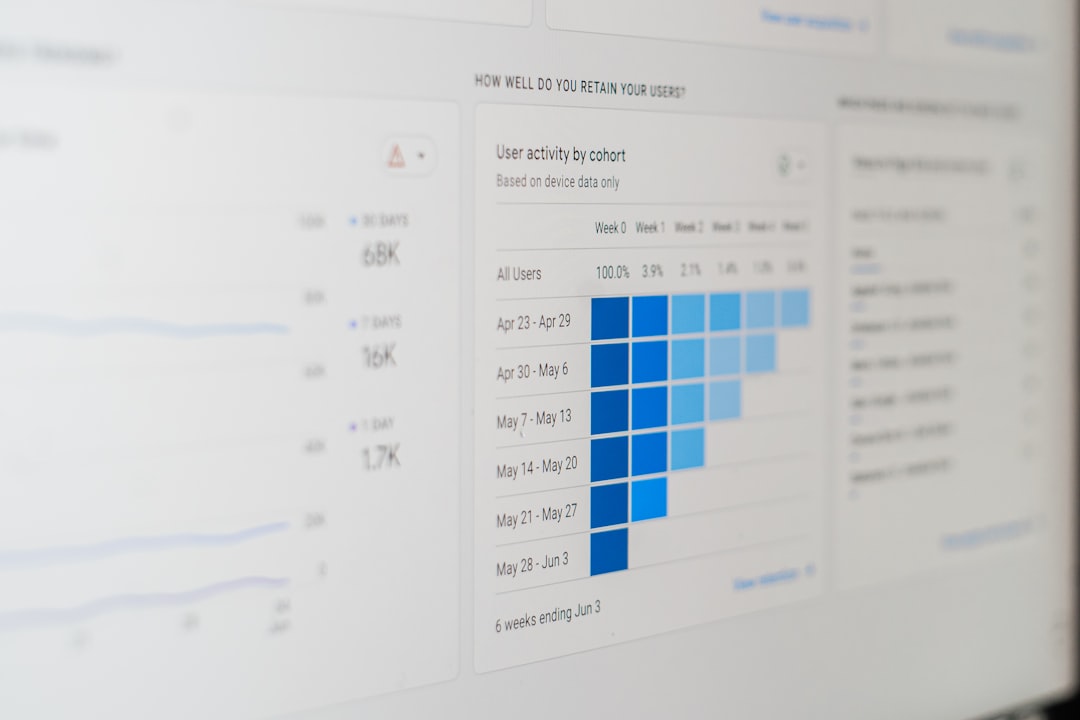
AI does not get overwhelmed by spreadsheets. It thrives on them.
The Misuse
Here is the danger. AI is only as good as the data it gets.
If your data is messy, biased, or incomplete, your AI results will be flawed. Experts call this “garbage in, garbage out.”
For example:
- If hiring data reflects past bias, AI may repeat that bias.
- If sales data misses key regions, forecasts will be wrong.
- If fraud labels are inaccurate, detection systems fail.
Another common mistake is blind trust. Some managers treat AI predictions as facts. They stop asking questions.
But AI models provide probabilities. Not certainties.
Experts stress the need for human oversight. Always ask: Does this output make sense? What assumptions is the model making?
The Fix
- Invest in clean, high-quality data.
- Audit models regularly for bias.
- Keep humans in the decision loop.
AI should inform decisions. Not replace judgment.
3. Marketing and Content: Scale vs. Spam
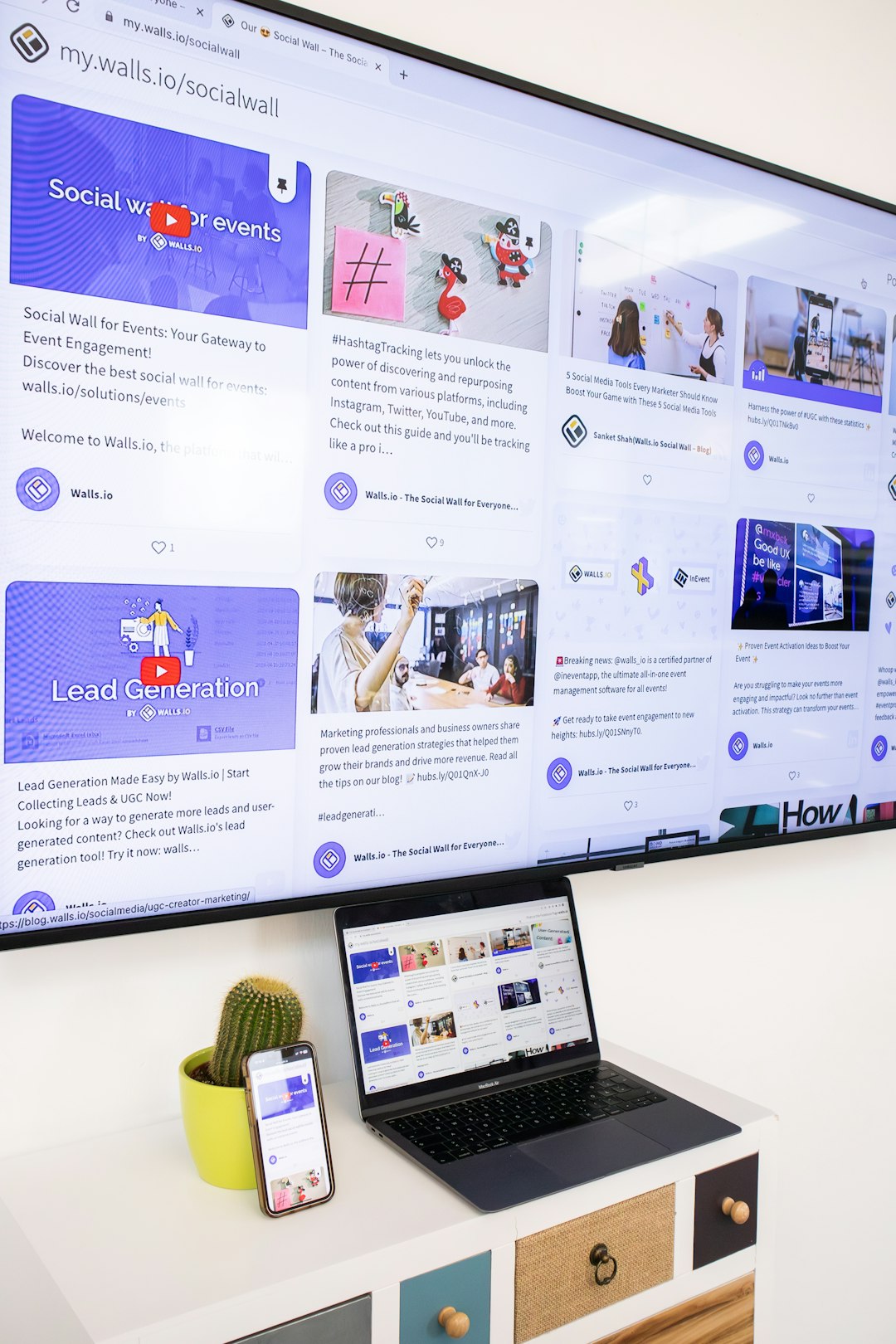
Marketing teams were early AI adopters. Why? Because AI is fast at generating text, images, and ideas.
It can write ads. Draft blog posts. Create product descriptions. Suggest email subject lines.
The Real Use
Experts say AI is powerful for:
- Personalized email campaigns
- Audience segmentation
- Ad performance optimization
- Content brainstorming
Imagine sending 10,000 customers emails that feel custom-written. AI can adjust tone, product recommendations, and timing based on behavior.
This increases engagement. It boosts sales.
It also frees creative teams from repetitive tasks. Instead of writing 100 similar product descriptions, they edit and refine AI drafts.
The Misuse
Now the dark side.
Some companies flood the internet with low-quality AI content. Articles with no real insight. Social posts with no personality. Emails that feel generic.
This hurts brands.
Experts say audiences can sense when content lacks authenticity. Trust drops quickly.
There is also legal risk. AI-generated content may accidentally copy existing material. Or make false claims. If no human reviews it, problems multiply.
Another mistake is over-personalization. Customers may feel watched. If an ad references behavior too closely, it becomes creepy instead of helpful.
The Fix
- Use AI as a draft tool, not the final voice.
- Have human editors review everything important.
- Focus on value, not volume.
Good marketing builds relationships. AI should support that goal. Not automate it into oblivion.
Bonus Misuse: Replacing Strategy with Software
Across all three areas, experts see one big pattern.
Companies think buying AI equals becoming innovative.
It does not.
AI cannot fix a broken business model. It cannot create culture. It cannot define your mission.
If leadership lacks clear strategy, AI simply accelerates confusion.
Experts recommend starting with questions, not tools:
- What problem are we solving?
- What outcome do we want?
- How will we measure success?
Only then should AI enter the picture.
Ethics: The Invisible Risk
There is one more issue experts highlight.
Ethics.
AI systems can impact hiring, lending, medical decisions, and law enforcement. In business, they shape who gets offers, discounts, or attention.
Without guardrails, AI can:
- Reinforce bias
- Invade privacy
- Make opaque decisions
Experts urge companies to build ethical review processes. Not as an afterthought. As a foundation.
Transparency builds trust. Silence destroys it.
What the Experts Agree On
Despite the hype and fear, most experts share a balanced view.
AI is not your new CEO. It is not your enemy either.
It is a powerful assistant.
The businesses that win with AI tend to follow three simple rules:
- Start small. Test before scaling.
- Augment people. Do not blindly replace them.
- Measure impact. Track results, not hype.
They treat AI as a long-term capability. Not a quick fix.
The Bottom Line
AI is changing business. That part is clear. What is less clear is how companies should use it wisely.
Customer service. Data analysis. Marketing. These are real, proven use cases. They deliver value when handled with care.
The misuses are also real. Over-automation. Blind trust. Ethical shortcuts.
In simple terms, AI works best when humans stay in charge.
Think of it like a super-fast intern. It can draft. Analyze. Suggest. But it still needs direction.
Experts say the future belongs to companies that blend machine efficiency with human judgment.
Not man versus machine.
But man with machine.