
Serverless architecture has evolved from a niche cloud concept into a powerful backbone for modern, high-traffic digital platforms. By eliminating the need to manage servers directly, organizations can scale automatically, reduce operational overhead, and respond instantly to changing demand. For applications that experience unpredictable spikes or consistently heavy loads, serverless models offer resilience, performance, and cost efficiency at scale.
TLDR: Serverless architecture enables high-traffic applications to scale automatically without manual server management. It reduces infrastructure overhead, optimizes costs through pay-per-use pricing, and improves system resilience. This article explores seven real-world serverless architecture examples that successfully handle massive traffic volumes, along with insights into how each model works and why it succeeds.
1. Real-Time File Processing Platforms
High-traffic systems that handle user uploads—such as image, video, or document processing platforms—benefit significantly from serverless design. When a user uploads a file, a cloud storage trigger can activate a serverless function that processes the file instantly.
How it works:
- Files are uploaded to cloud storage.
- An event trigger activates a serverless function.
- The function processes the file (resizing images, transcoding video, scanning documents).
- Results are stored or delivered via CDN.
This architecture shines during traffic spikes. For example, if thousands of users upload files simultaneously, each function instance scales independently. There is no need to provision additional servers manually.
Key benefit: Automatic parallel processing prevents bottlenecks when upload volumes surge.
2. Content Delivery and Static Web Applications
High-traffic websites such as media outlets or viral marketing pages often combine static hosting with serverless APIs. Static files are delivered through a Content Delivery Network (CDN), while backend logic—like authentication or database queries—is handled via serverless functions.
Architecture components include:
- Static site hosting (HTML, CSS, JavaScript).
- Edge CDN for global distribution.
- Serverless API endpoints.
- Managed NoSQL or relational database services.
Because static content is cached globally and APIs scale dynamically, the system can handle millions of requests with minimal latency.
Key benefit: Near-instant page loads and dynamic backend scaling without dedicated servers.
3. Real-Time Chat and Messaging Platforms
Messaging systems demand high concurrency, low latency, and reliable message delivery. Serverless event-driven architectures are ideal for handling sudden bursts of user messages.
When a message is sent, it triggers serverless compute functions that validate, store, and forward it using WebSocket connections or real-time database updates.
Typical flow:
- User sends message.
- API Gateway routes request.
- Serverless function processes and stores message.
- Event triggers push notification or WebSocket broadcast.
This distributed model avoids maintaining persistent backend servers for peak loads. Instead, compute resources expand dynamically to accommodate traffic.
Key benefit: Efficient scaling during high-concurrency events, such as live sports or global conferences.
4. E-Commerce Flash Sale Systems
Flash sales and product launches create dramatic traffic spikes. Traditional server-based systems often struggle under the strain of simultaneous checkout requests.
Serverless architecture helps by distributing workloads across independent functions:
- Product listing service.
- Checkout processing.
- Payment verification.
- Inventory updates.
- Notification services.
Each process operates as its own function, enabling seamless horizontal scaling. Managed databases handle inventory state, while serverless functions prevent system-wide slowdowns.
Advanced implementations may incorporate event queues to smooth transaction peaks and prevent overselling during heavy demand.
Key benefit: Elastic scaling during time-sensitive, traffic-intensive events.
5. Analytics and Data Processing Pipelines
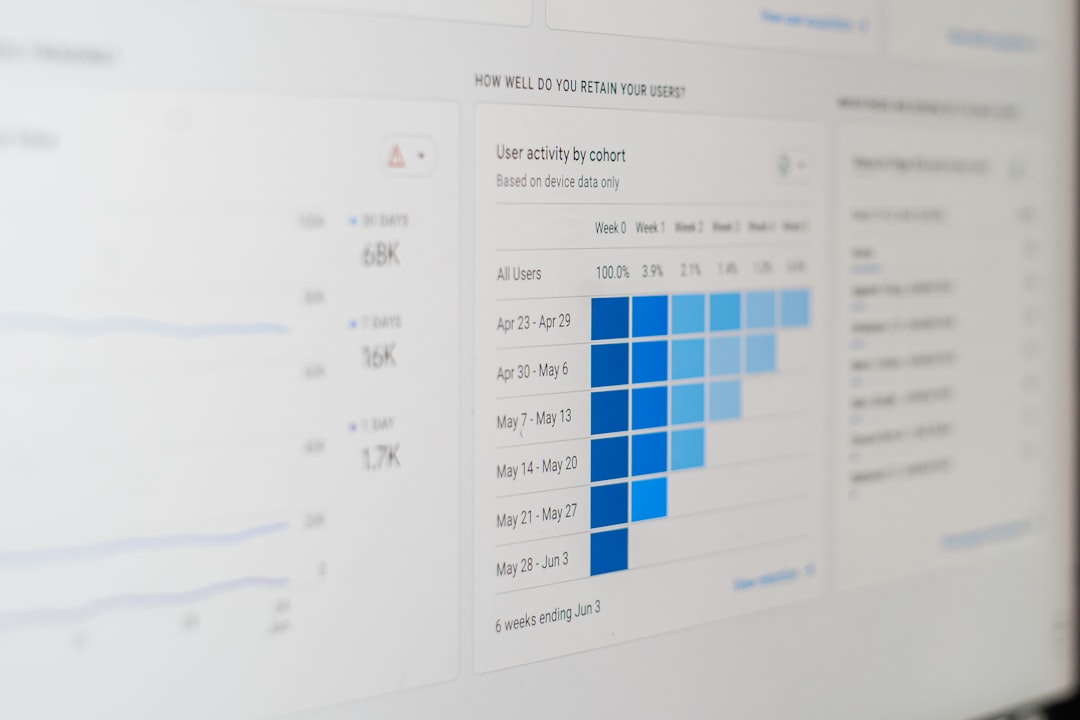
High-traffic applications generate massive event streams—clicks, page views, transactions, and user interactions. Serverless event-driven pipelines can ingest, transform, and analyze this data in real time.
System structure:
- Application generates event stream.
- Events are sent to managed streaming service.
- Serverless functions process and transform the data.
- Results are stored in data warehouse or analytics dashboard.
Because serverless tasks scale automatically, processing remains consistent even when event volumes spike unexpectedly.
Key benefit: Cost-efficient analytics that process massive datasets only when needed.
6. IoT Backend Systems
Internet of Things (IoT) deployments often involve millions of connected devices transmitting telemetry data. Managing dedicated servers for such fluctuating loads is inefficient and expensive.
Serverless architecture enables:
- Event-based data ingestion from devices.
- Automatic scaling during firmware updates or peak device reporting times.
- Real-time analysis and alert generation.
- Secure, managed identity authentication.
For instance, a fleet of smart meters may send readings every few seconds. Serverless ingestion pipelines process incoming streams without requiring static compute capacity.
Key benefit: Seamless scaling for unpredictable device communication volumes.
7. Machine Learning Inference APIs
Machine learning models used in high-traffic environments—such as recommendation engines or fraud detection—can be deployed through serverless endpoints.
When a request arrives, a serverless function loads or references a pre-trained model and returns predictions instantly. Advanced implementations use lightweight container-based serverless solutions to reduce cold start latency.
Use cases include:
- Product recommendations.
- Real-time fraud scoring.
- Image recognition.
- Language translation services.
By scaling based on incoming prediction requests, businesses avoid maintaining expensive GPU-backed servers around the clock.
Key benefit: Intelligent, on-demand scaling for compute-intensive workloads.
Why Serverless Works for High-Traffic Applications
All seven examples share several defining characteristics:
- Event-driven design: Resources are triggered only when required.
- Horizontal scalability: Workloads scale automatically across multiple function instances.
- Cost optimization: Billing occurs per invocation rather than per idle server hour.
- Managed infrastructure: Cloud providers handle maintenance, patching, and resilience.
However, successful implementation requires careful planning. Stateless design, proper monitoring, cold start mitigation, and database scaling strategies all play crucial roles in performance at scale.
When optimized correctly, serverless architectures can handle millions of concurrent users while maintaining low latency and high availability.
Frequently Asked Questions (FAQ)
1. What makes serverless suitable for high-traffic applications?
Serverless platforms automatically scale resources up or down based on incoming requests. This ensures performance remains stable without manual provisioning or overpaying for idle servers.
2. Are there disadvantages to serverless architecture?
Yes. Potential challenges include cold start latency, vendor lock-in, limited execution time, and debugging complexity in distributed systems. Proper architectural planning mitigates these risks.
3. Can serverless handle millions of concurrent users?
Yes, provided that supporting services like databases and storage layers are also architected for scale. Serverless functions themselves are designed to scale horizontally.
4. Is serverless more cost-effective than traditional hosting?
For applications with variable or unpredictable traffic, serverless is often more cost-efficient due to pay-per-use pricing. Constant heavy workloads may require cost comparison analysis.
5. How does serverless impact security?
Serverless environments enforce strong isolation between function instances. Combined with managed identity services and secure APIs, they can be highly secure when best practices are followed.
6. What types of databases work best with serverless?
Managed cloud databases—such as auto-scaling NoSQL or serverless relational databases—pair well with serverless functions to maintain performance under heavy traffic.
7. Is serverless only for startups?
No. Large enterprises increasingly use serverless architecture to support high-scale digital services, mission-critical APIs, and global consumer platforms.
Serverless architecture continues to evolve, offering high-traffic applications a blueprint for scalable, resilient, and cost-efficient system design. As cloud technologies mature, serverless solutions are becoming foundational components of modern digital infrastructure.