
Marcy never dreamed that her small boutique coffee brand would benefit from something as simple as a logo change. But after months of feedback, design tweaks, and experimentation, she found out just how powerful good design could be. A minimalist logo didn’t just make her packaging look cleaner—it made her business more memorable. Here’s the fun and fascinating journey of how a simple logo transformation helped customers remember her brand better than ever.
TL;DR
Small business owner Marcy conducted customer surveys and realized her original logo was forgettable. She switched to a minimalist style and tested refinements over time. Each version improved customer recognition and connection. This shows how simple, clean design can boost brand recall.
Starting With Something… Meh
Marcy originally had a colorful logo with swirls, coffee beans, and her brand name in a curly font. It looked good to her, and early customers said they liked it. But as she grew, she noticed a problem.
People kept forgetting her brand name.
At farmers markets, people would say:
“I loved your coffee, but what’s your name again? Starts with a B?”
This happened too often. The brand just wasn’t sticking.
Let’s Ask the People
Instead of guessing what was wrong, Marcy sent out a short customer survey. She asked three simple questions:
- Do you remember our logo from packaging or ads?
- What colors come to mind when you think of our brand?
- Can you pick our logo from a lineup of five different ones?
The results were eye-opening. Only 28% of people could recognize the original logo in the multiple-choice test. Even fewer remembered the exact brand name. Ouch.
Going Minimal
After doing some research, Marcy found that several top brands (like Nike and Apple) used very simple logos. And they were super recognizable. So she asked herself:
“What if simple is better?”
She hired a freelance designer to come up with a few minimalist logo samples. Clean lines. No clutter. Just the basics. One simple version had a coffee mug outline with her brand name in a clear, modern font.
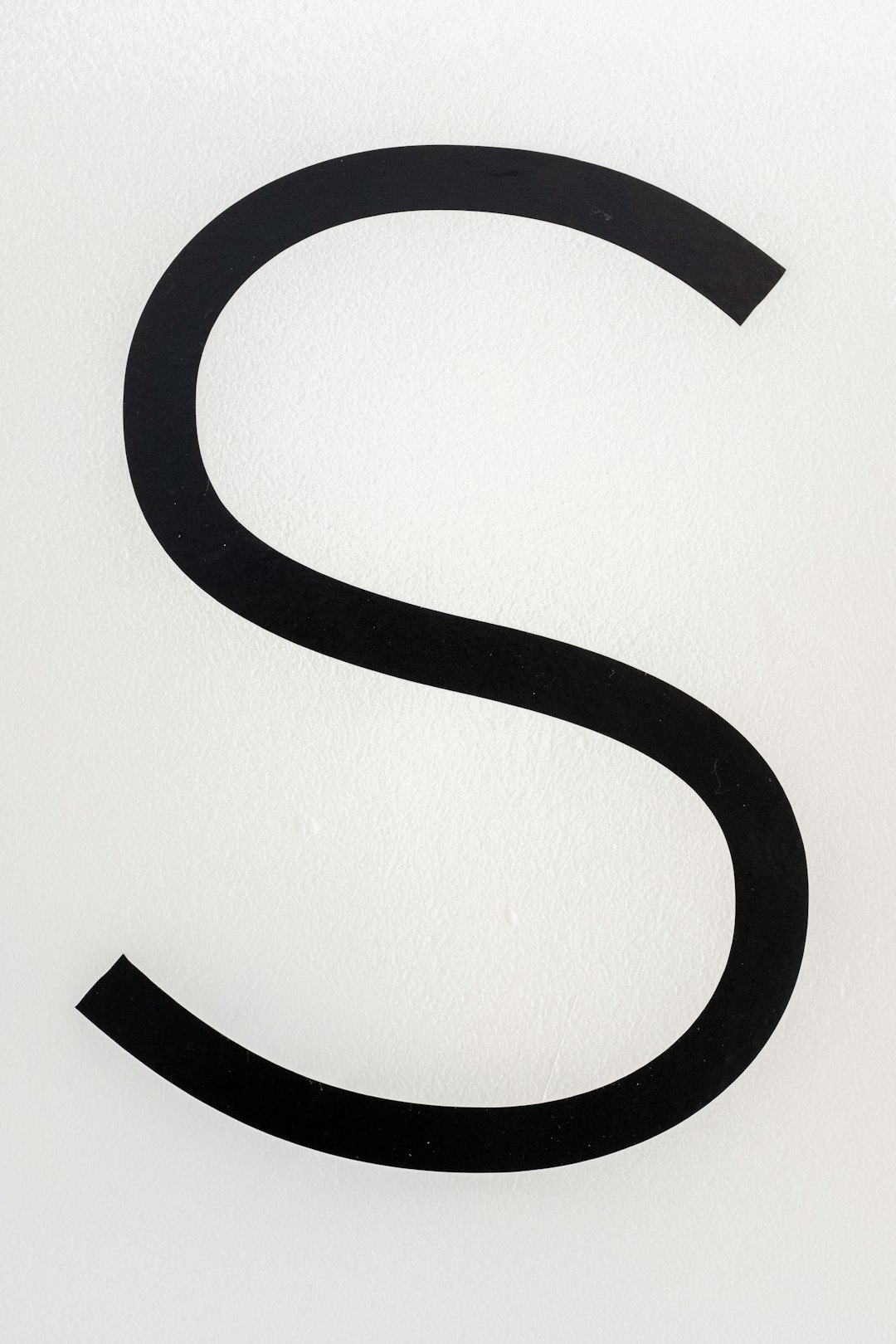
OMG, it looked amazing. But pretty isn’t proof. So the testing began.
Test, Tweak, Repeat
Marcy knew this couldn’t be a one-and-done deal. She used the following process:
- Create a few logo samples.
- Show them to her newsletter subscribers.
- Ask which ones people recognized after a week.
- Use feedback to tweak color, shape, and font.
- Repeat the process with the top 2 designs.
Over 6 weeks, she ran 3 major iterations. Each time, customer recall got better:
- Version 1: 44% logo recognition
- Version 2: 61%
- Final version: 78%
That’s nearly triple the original recall rate.
What Changed Exactly?
Here are the major differences between the old logo and the new minimalist one:
| Old Logo | New Minimalist Logo |
|---|---|
| Many colors | Two colors |
| Curvy, artsy font | Simple, readable font |
| Detailed image of beans, steam, and cup | Simple line art of a mug |
| Hard to print on small labels | Easy to scale on all sizes |
The simpler version stood out more. It was easier to remember. And, surprisingly, it made her brand look more premium.
What Customers Said
After switching to the final logo, Marcy continued asking for feedback. Here’s what some customers said:
“Now I know exactly which coffee bag to look for—it pops on the shelf!”
“This new logo just feels more ‘you’. It’s clean and friendly.”
“Honestly, it looks more polished. Like you leveled up.”
Talk about a return on investment.
Unexpected Bonuses
Changing the logo did more than improve customer memory. It also:
- Saved money on label printing (fewer colors!)
- Made the brand fit better on social media profile pics
- Lent itself to cute merch like mugs and totes
All from making things simpler.
Tips If You’re Thinking About Changing Your Logo
Want to do what Marcy did? Here are some bite-sized lessons she learned:
- Simplicity wins. If it’s easy to draw from memory, it’s easier to remember.
- Ask your customers. Their feedback is gold. Don’t make changes in the dark.
- Test, don’t guess. Use multiple versions and measure which one works best.
- Make it versatile. Your logo should look good on stickers, tags, websites, and coffee cups.
- Iteration is your friend. It’s okay to keep tweaking until it hits the mark.
The Best Part?: Confidence
Surprisingly, the biggest reward wasn’t data—it was belief. Marcy felt proud every time she handed someone a bag of beans. She believed her branding now matched the quality of her coffee. And belief like that turns into energy, marketing mojo, and real business growth.
So What’s the Moral?
You don’t need a wildly complex logo to stand out. Sometimes, less really is more. Minimalism can say a lot… by saying less.
Just ask Marcy. Her logo now speaks loud and clear—and her customers are finally listening (and remembering).