
The digital world of 2025 is a dynamic universe of evolving expressions, hyperreal aesthetics, and viral catchphrases. One word that’s managed to strike a chord across TikTok, Instagram, YouTube Shorts, and even virtual reality chatrooms is the iconic affirmation: “slay.” Whether it’s said as “she slayed that look” or just exclaimed solo — “slay!” — its presence is more powerful than ever. But what does it truly mean to “slay” in the current social media atmosphere? And why is everyone using it like the digital equivalent of a standing ovation?
TL;DR:
In 2025, calling someone a “slay” has become a high compliment, indicating confidence, creativity, or excellence in style, performance, or attitude. Evolving from fashion and LGBTQ+ slang, it’s since permeated all corners of online culture. The word represents empowerment and validation — a way of celebrating someone being their authentic, unapologetic self. “Slay” is more than a word; it’s internet-era applause.
The Origins of “Slay” — More Than Just Slang
While you’ll hear teens today shouting “slay” in response to a fierce outfit or bold dance move, the term actually has deep roots in queer and African American Vernacular English (AAVE). Its major breakthrough into mainstream culture came through drag performance and LGBTQ+ communities, notably showcased in ballroom culture and popularized by shows like RuPaul’s Drag Race.
In its original context, “slay” was a term of praise, used when someone owned the moment — usually with unapologetic style, attitude, elegance, or bold performance. Think of it as the verbal equivalent of throwing imaginary roses at someone’s feet. Over time, this praise found its way into pop culture and eventually into all corners of digital life.
The Evolution of “Slay” in Social Media — 2025 Style
By 2025, “slay” has transcended its original vernacular origins and grown into a digital darling. It’s more than a word — it functions as an exuberant emoji in verbal form. Today’s content creators and influencers use it to reinforce self-love and mutual admiration in online communities.
- On TikTok: The term is used to caption dances, beauty transformations, and “Get Ready With Me” (GRWM) videos. If someone drops a killer makeup look, commenters flood the post with “you slay” or simply “SLAY QUEEN.”
- On Instagram: “Slay” accompanies photoshoots, new fits, and fashion reels. Outfit of the Day (OOTD) captions are peppered with the term.
- In AR/VR spaces: People use “slay” to applaud others’ custom avatars, stylish skins, or immersive expressions in virtual chatrooms.
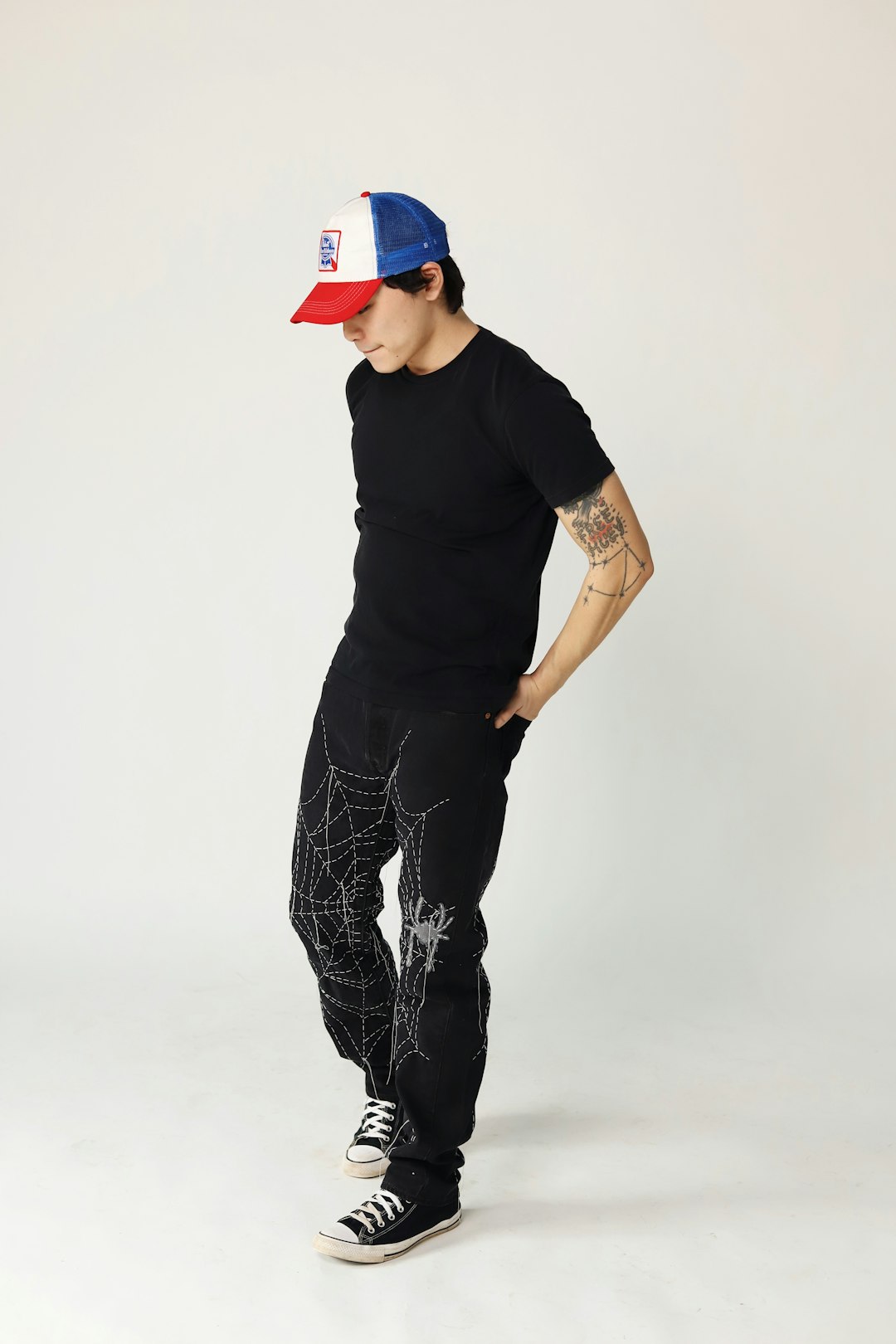
The digital landscape of 2025 has made “slay” gender-neutral, universal, and even slightly ironic at times. That man executing a flawless backflip in digitally enhanced heels? Slay. That grandma making viral recipes in a sequined apron? Absolutely slay.
Modern Meanings & Use Cases — What It Means to “Slay” Now
While the core essence of the term — expressing admiration or awe — remains intact, “slay” in 2025 carries multiple shades of meaning depending on usage and context.
1. Confidence & Empowerment
Someone stepping into their power, breaking norms, or expressing themselves unapologetically is often labeled as “slaying.” Imagine someone showing up to prom in a custom outfit that defies every dress code — they didn’t just attend, they slayed.
2. Aesthetic Mastery
Having a coordinated outfit, getting a jaw-dropping makeup transformation, or creating a cinematic video edit also earns the term. Visual mastery is now one of the biggest indicators someone “slayed” a post.
3. Virtual Wins & Gaming
In the VR-gaming crossover world, “slay” sometimes goes back to its literal meaning — defeating enemies or winning. But users toggle between literal and digital slang, blending both as they navigate stylized environments.
4. Social Justice & Expression
“Slay” can also signify courage — like someone using their platform to speak out on important issues while balancing personal identity. Social media has seen creators “slay” not only in looks but in integrity and activism.
Why Is “Slay” So Popular in 2025?
Three key forces explain the enduring rise of this word:
- Emotional Connectivity: Slay is about celebrating others — it builds belonging, excitement, and support in online spaces. In a world increasingly driven by algorithms, human affirmation is more valuable than ever.
- Algorithm-Happy Messaging: Slay works great in captions, hashtags, and comment sections. Simple, catchy language like this boosts post engagement, which encourages its continued use.
- Visual Culture Integration: The term aligns perfectly with today’s focus on aesthetics. It complements visual content like photos, filters, and stylized edits.
Because platforms reward engaging content, using viral language — like “slay” — becomes a strategy for both relatability and reach.
How “Slay” Became Genderless and Globally Understood
Twenty years ago, the expression might have been niche or camp. But today? Slay is global. It speaks across languages and gender identities — thanks to social media’s reach and the growing push for fluidity and inclusivity.
Part of this evolution is because Gen Z and Gen Alpha favor expressive, flexible language. For them, terms like “queen,” “slay,” and “icon” aren’t locked to femininity — they’re open-source praise. Everyone from K-pop stars to indie animators can earn the label: “Slay king.” “Slay legend.” Even: “Grandma slayed that banana bread.”
Slay as a Cultural Symbol of Positivity
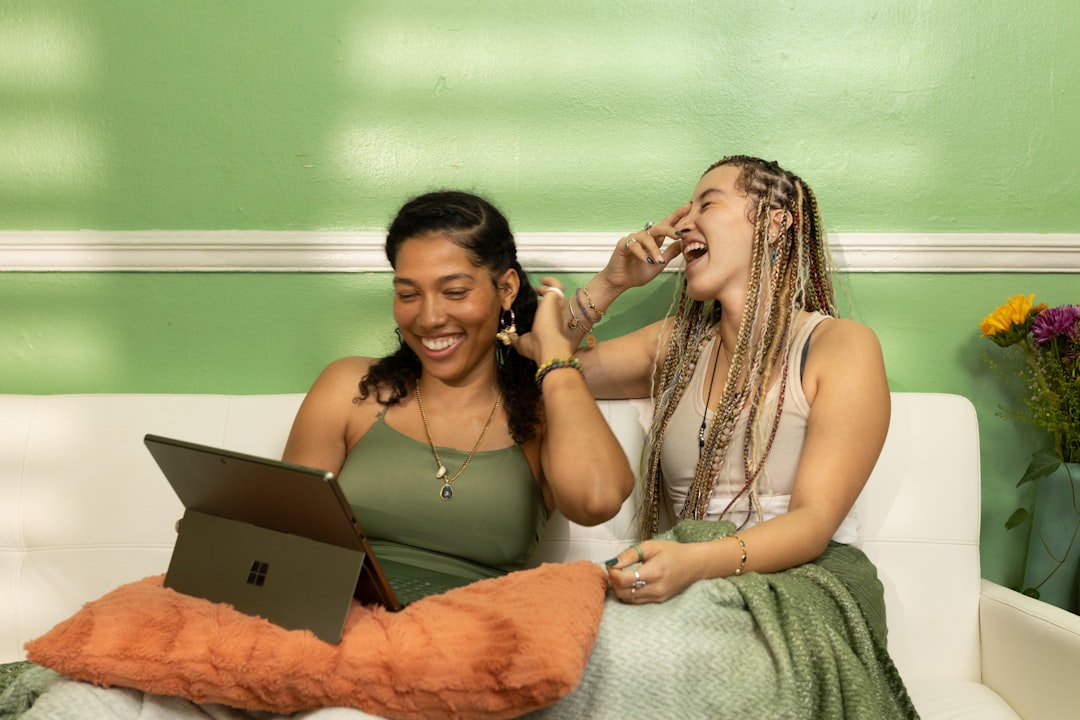
More than just a one-word comment, “slay” functions as cultural shorthand for enthusiasm and affirmation. In toxic online environments, throwing someone a “slay” is the equivalent of a small digital bouquet — free encouragement that feels good both ways.
This is part of a broader shift toward more emotionally intelligent internet culture. While the web used to be infamous for trolling and sarcasm, 2025 sees rising trends of community, healing, and mutual uplift. “Slay” fits this mold — it’s not just stylish, it’s supportive.
Where Is “Slay” Headed Next?
The future of “slay” will likely see it evolve with the rest of internet lingo. Already, we see its derivatives and evolutions appearing:
- “Slaytastic” or “Slay-core” — used to describe aesthetics that center around over-the-top glamor or high-concept fashion.
- “Slay era” — a period in someone’s life where they’re thriving in looks, love, or career.
- “Mild slay” vs. “Hyper-slay” — illustrating varying degrees of execution. It’s turning into a rating scale!
Ultimately, “slay” will either solidify itself as a classic piece of digital speak — much like “iconic” or “goat” — or it will sprout a family of new expressions that capture similar vibes in future forms of content, especially within the metaverse, holographic media, or whatever comes next.
Final Thoughts
Saying someone “slay” in 2025 is more than trend-chasing — it’s recognition, celebration, and community. It hugs the ego gently, acknowledges effort gracefully, and celebrates self-love and innovation.
In a world so often shaped by pixels and platforms, affirmations like “slay” bring necessary softness — the kind that makes the internet feel a little more human. So the next time you see someone confidently stepping into their online self, remember: sometimes the best thing you can say is simply… “slay.”