
Back in 2011, something special happened in the Android world. Samsung teamed up with Google to create a smartphone that would not only show off the power of Android but also set the stage for future phones. That phone was the Samsung Galaxy Nexus, and it made quite an impression.
TL;DR (Too Long; Didn’t Read)
The Samsung Galaxy Nexus, released in 2011, was the third phone in Google’s Nexus lineup. It introduced Android 4.0 Ice Cream Sandwich and ditched physical buttons for on-screen navigation. The phone helped shape what modern Android looks like today. Even though it’s old now, tech fans still remember it fondly.
The Birth of a Legend
Before smartphones were super smart, Google had an idea. What if they made “pure Android” phones to show off their vision? No extra apps, no annoying skins. Just clean Android.
This led to the creation of the Nexus series. First, there was the Nexus One by HTC. Then came the Nexus S, made by Samsung. But the real game changer? That was the Samsung Galaxy Nexus.
What Made It Special?
The Galaxy Nexus wasn’t just any phone. Here’s why it rocked the Android world:
- First phone with Android 4.0 Ice Cream Sandwich
- First Nexus with a big HD screen
- No more physical buttons — hello, on-screen nav!
- Designed with Google’s vision in mind
At the time, other phones were bulky or bloated with custom software. The Galaxy Nexus? It was sleek, smooth, and straight from Google’s brain.
Sleek Looks and Cool Curves
The phone had a gentle curve to it, making it comfy to hold. It wasn’t too flashy, but it looked smart — like a phone from the future (at least in 2011!).
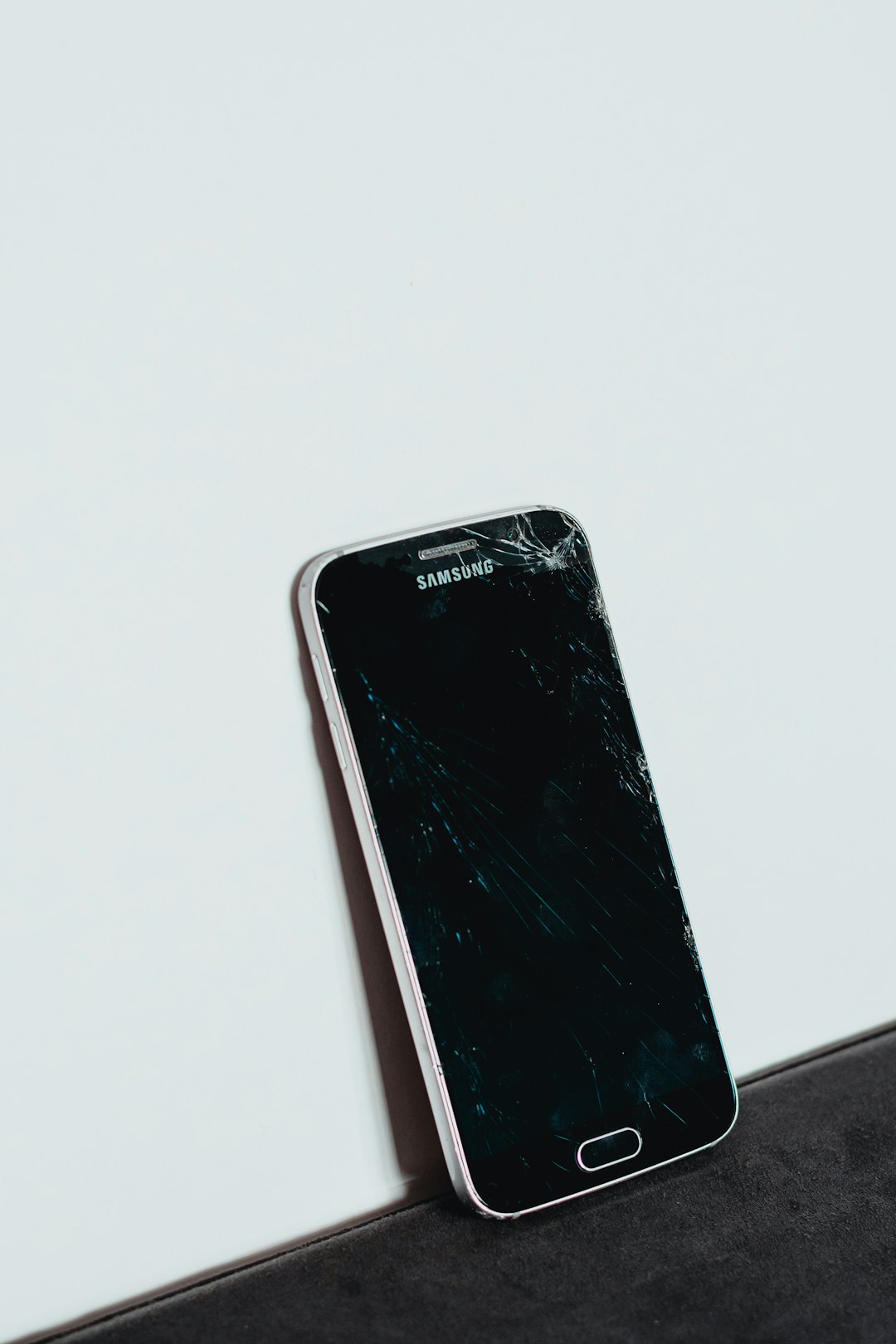
Its 4.65-inch Super AMOLED display was a treat. Bright colors and deep blacks made watching videos and flipping through apps feel amazing. The resolution? 720×1280 — sharp for its time!
Say Hello to Ice Cream Sandwich
Android 4.0 Ice Cream Sandwich marked a turning point. It blended the tablet look of Honeycomb with the smartphone feel of Gingerbread.
It gave us:
- A whole new user interface (Holo UI)
- Face Unlock – unlock your phone with your face (it didn’t always work, but it was cool!)
- Improvements to multitasking
- Android Beam – tap phones together to share stuff
This was the first Android version to feel grown up. The Galaxy Nexus was the first phone to show it off to the world.
Specs and Performance
Let’s take a quick look at what was inside the Galaxy Nexus:
- Processor: 1.2 GHz dual-core TI OMAP 4460
- RAM: 1GB
- Storage: 16GB or 32GB (no SD card slot – boo!)
- Battery: 1750 mAh (removable!)
- Camera: 5MP rear, 1.3MP front
Was it the fastest phone? Not exactly. But it was fast enough, and Android 4.0 made it feel even smoother. Swiping between screens and opening apps felt like magic in your hand.
On-Screen Buttons – The Bold Move
One of the biggest changes? The Galaxy Nexus had on-screen buttons. No more physical home or back buttons at the bottom.
This allowed the phone to adapt, show different buttons for different apps, and stay cleaner-looking. It felt fresh, futuristic, and a bit controversial at first. But today? Almost every Android phone does it this way. The Galaxy Nexus led the charge.
The Pure Android Experience
Many Android phones back then were filled with extra apps and bloated skins. Samsung’s TouchWiz? Heavy. HTC’s Sense? Flashy. Carriers added their own apps too.
The Galaxy Nexus skipped all of that. It ran stock Android, just the way Google meant it to be. Clean, easy to use, and updated directly by Google — no waiting for manufacturers or carriers to catch up.
This pure Android feel is what made the Nexus lineup — and later Pixel phones — so special. Tech fans loved it.
A Developer’s Dream
Because of its clean software and unlockable bootloader, the Galaxy Nexus quickly became a favorite among developers.
If you loved flashing custom ROMs like CyanogenMod or tinkering with kernels, this was the phone to have. It stayed alive long after its official updates ended, thanks to the Android community.
The End of the Road
After Android 4.3 Jelly Bean, Google stopped official support. The Galaxy Nexus couldn’t get Android 4.4 KitKat due to its aging chipset.
Still, many users kept it alive with custom firmware. It had a longer life than most people expected!
Legacy and Impact
Here’s why the Samsung Galaxy Nexus still matters today:
- It made on-screen buttons the norm
- It showed what stock Android could be
- It helped usher in the age of bigger phones
- It was a true Google experience before Pixel
Even if you never owned one, you’ve felt its influence. Every Android phone today walks in its digital footsteps.
Fun Facts
- The Galaxy Nexus was codenamed “Maguro” (Japanese for tuna).
- It was one of the first phones to be sold in the Google Play Store (when it still sold devices).
- It had a tiny notification LED under the screen.
- You could use Android Beam by tapping two Galaxy Nexus phones together to share a photo.
In Summary
The Samsung Galaxy Nexus may not be your daily phone today, but its DNA lives on in modern Android. It was bold, clean, and different.
It gave us a glimpse of Android’s future — and it didn’t disappoint.
Want to spot it in the wild today?
You might have to check eBay or a tech museum, but this phone left a mark. For many, it was love at first swipe.
Long live the Galaxy Nexus!