
In the ever-evolving landscape of fashion and self-expression, the rise of digital trendsetters has significantly redefined how individuality is portrayed and perceived online. Among the forerunners of this digital fashion renaissance stands Babydollkaila, a style maven and cultural influencer known for her unapologetically unique aesthetic and her pivotal role in shaping an online era where creativity, identity, and authenticity hold more value than conventional beauty standards or mainstream appeal.
TLDR: Babydollkaila exemplifies the growing impact of digital fashion on identity and self-expression. As influencers like her champion cyberstyle, Y2K nostalgia, and personal creativity, they challenge outdated norms and redefine beauty across platforms. This new digital fashion movement not only blurs the boundaries between real and virtual but also encourages authentic online expression rooted in individuality. Her influence marks a turning point in how fashion is consumed, performed, and revolutionized online.
The Rise of Babydollkaila: Crafting a Digital Identity
Babydollkaila is not just a username or an alter ego; she represents a calculated, curated, and conscious digital persona that challenges everything traditional media historically dictated about femininity, race, aesthetics, and desirability. Her emergence as an icon in alternative fashion spaces—particularly in TikTok, Instagram, and Tumblr’s nostalgic and hyper-stylized corners—has catalyzed conversations about how digital platforms enable both freedom and subversion.
She draws inspiration from a mélange of styles: 2000s Harajuku, Bratz-doll maximalism, cyberpunk futurism, and kawaii streetwear. What marks Babydollkaila’s image as distinctive is its rejection of sanitized, mass-market fashion in favor of self-styled narratives—often DIY, imperfect, and screaming with personality. Her aesthetic is not simply visual—it is emotive and ideologically resistant.
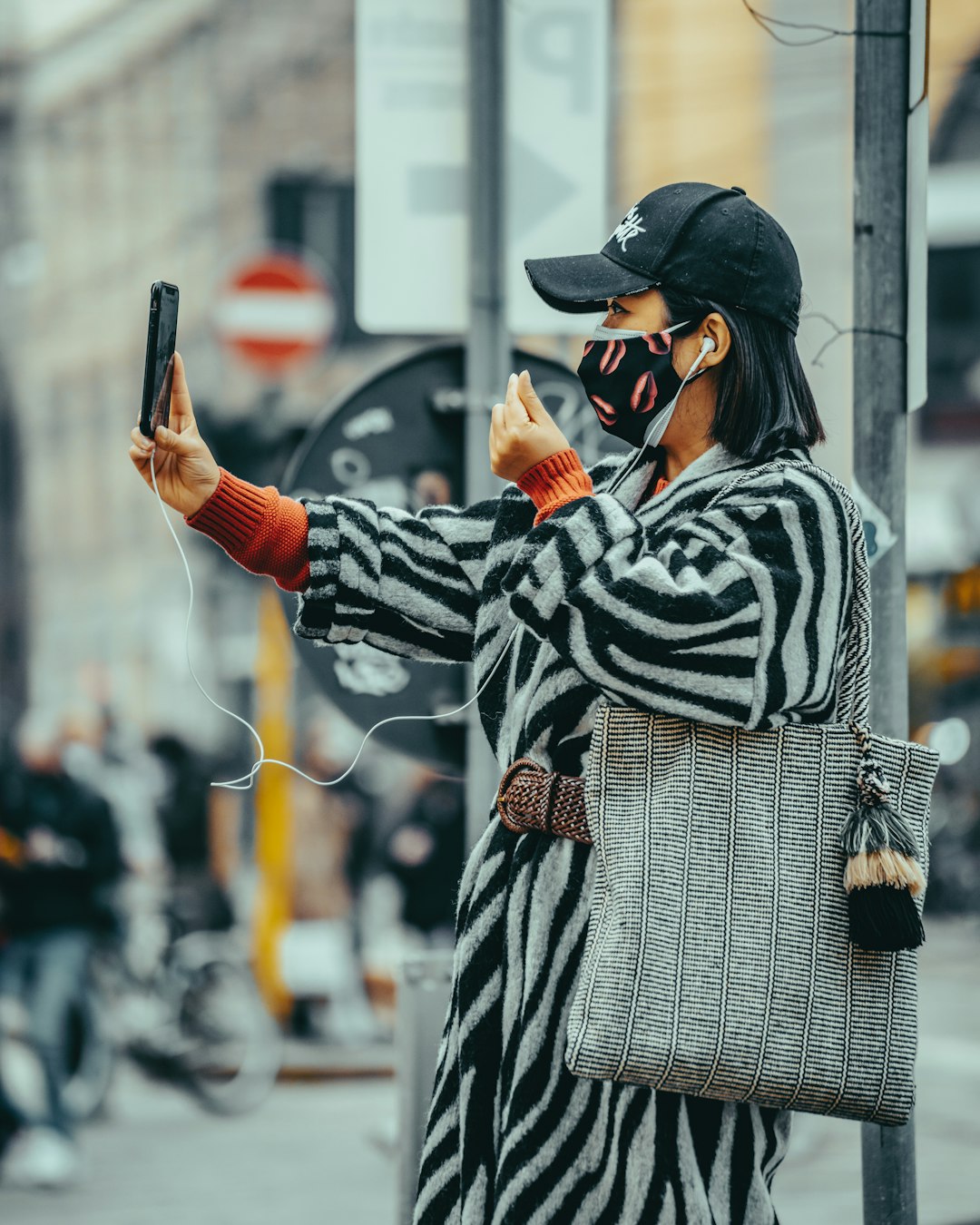
Digital Fashion as a Form of Identity
Fashion has always been a language of identity, but digital fashion elevates this dialogue into multidimensional space. What influencers like Babydollkaila make clear is that the digital realm isn’t an escape from reality; it is a powerful platform to construct and experiment with selfhood beyond binary categories and institutional constraints.
Several key features distinguish digital fashion in this era:
- Accessibility: Expression is not limited by budget, geography, or body type. Apps and digital filters level the playing field.
- Transience: Outfits live in short-form videos and viral posts, creating fashion momentums unconstrained by seasons or runway schedules.
- Personalization: Every piece, filter, and pose becomes a tool to stylize the self according to mood, belief, or fantasy.
Babydollkaila’s outfits are often intensely personalized: baroque juxtapositions of textures, oversized ribbons, platform boots, and pastel wigs. These visual elements aren’t just editorial choices—they’re extensions of a self-conceived mythos. Her fashion broadcasts complex symbols of resistance, reclamation, and re-enchantment of the mundane.
Creativity as a Political Act
What makes digital fashion, especially as expressed through figures like Babydollkaila, revolutionary is its undercurrent of resistance. It is inherently political to insist on occupying space while being “too much,” especially for people of color and queer individuals. In that context, style becomes not just about taste, but about sovereignty and survival.
Here’s why her creative output is politically charged:
- Intersectionality: Babydollkaila embodies multivalent identities—racial, cultural, gendered—and subverts traditional notions through her aesthetic.
- Hyper-femininity as Subversion: Her embrace of pinks, glitter, and doll-like visuals critiques patriarchal caricatures of femininity by exaggerating them into satire.
- Rejecting Homogeneity: Unlike fashion influencers aligned with minimalism or Eurocentric standards, she embraces maximalism specific to diasporic, queer, or marginalized subcultures.
Creativity in this climate is less about impressing others and more about preserving and proclaiming selfhood in a matrix that often tries to erase or flatten it.
From Consumer to Creator: The Shifting Paradigm
Digital fashion culture, in the hands of creators like Babydollkaila, shifts the center of gravity from expensive brands to ethical, repurposed, and self-made items. In many of her videos, she doesn’t just wear fashion—she crafts it, styles it, and documents its evolution, emphasizing the process over perfection.
This new cultural moment encourages:
- Slow fashion ethics: DIY alterations, second-hand shopping, and vintage resurrections are preferred over fast fashion.
- Non-linear trends: Rather than following seasonal releases, style becomes timeless and cyclical, dictated by emotion and inspiration rather than market trends.
- Democratization of style: Followers are encouraged not to replicate a look, but to remix and evolve it uniquely to their own truth.
For digital natives, this transformation means that fashion is no longer aspirational in the traditional sense; it’s collaborative and community-driven. Babydollkaila doesn’t monologue her style choices—she invites commentary, creativity, and reinterpretation from her audience, forming a feedback loop of innovation.
The Aesthetics of Authenticity
One of the biggest criticisms of social media has been its impact on authenticity. Glamour shots, product placements, and algorithmic feeding often threaten to flatten genuine expression. Yet, paradoxically, the most successful modern influencers are those who unironically dive into hyperreality—embracing it not to deceive, but to artistically reflect the chaos and contradictions of modern selfhood.
Babydollkaila captures this permissiveness by freely blending reality and fantasy. Her digital presence is not hyper-edited photos meant to depict perfection. It is intentionally curated chaos, filled with glitches, filters, memes, and cross-platform storytelling. She embraces contradiction: graceful yet violent, cute yet disturbing, nostalgic yet futuristic.
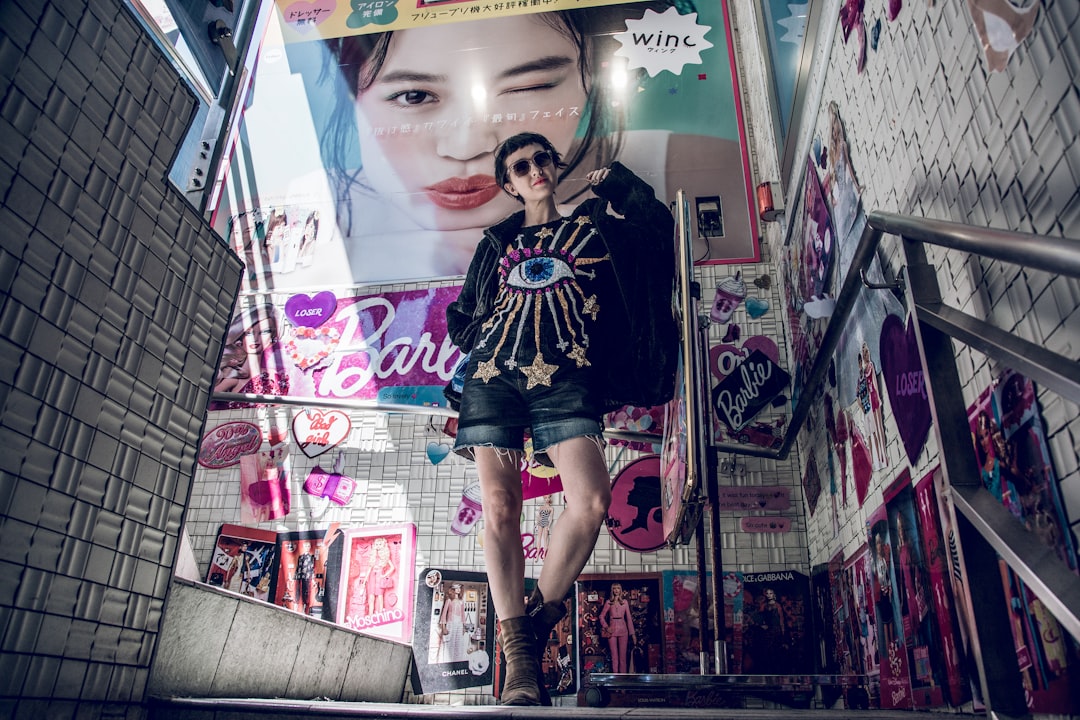
The Future of Digital Fashion
What lies ahead for digital fashion as this paradigm evolves? If influencers like Babydollkaila are any indication, the future is not about mainstream adoption but about cultural decentralization. Style will become even more fluid and rooted in micro-communities rather than global consensus.
Upcoming developments include:
- AI-generated wardrobe options: Virtual clothes custom-suited to digital personas.
- Avatar identity: Style will dictate how individuals present in VR platforms like the metaverse.
- Interactive storytelling: Fashion as a narrative interface that evolves with public participation.
Babydollkaila’s success is a testament to this shift. By treating fashion not as something to wear but something to say, she has situated herself within a movement that transcends superficial styling to speak to our shared need for visibility, meaning, and liberation in the digital age.
Conclusion: Beyond Clothing, Toward Connection
At its core, the rise of figures like Babydollkaila and the evolution of digital fashion is not just about aesthetics—it’s about fostering communities that celebrate complexity, weirdness, hybridity, and humanity. In turning social media into stylized space for authentic expression, she and others like her invite users to dress not for approval but for alignment—with themselves, with their beliefs, and with their fantasies.
This is the essence of modern, digital fashion. It isn’t about trends. It’s about truth-telling in textures and tones. And in that bold act of self-display, a new culture of vulnerability, rebellion, and creativity is born.