
In today’s digital age, content creation has become a powerful means of expression, business, and influence. With over 2 billion logged-in users visiting YouTube every month, it’s no surprise that creators are flocking to the platform to share their voice. However, with this influx of content, standing out from the crowd has become increasingly difficult. That’s where SEO tools for YouTube come into play — giving creators the insights and strategies they need to elevate their visibility and grow their audience.
TLDR: With more content being uploaded to YouTube than ever before, ranking high in search results requires more than just a great video. Using an SEO tool helps creators optimize titles, tags, and descriptions, conduct effective keyword research, and understand viewer engagement. These tools essentially act as a guide to improve discoverability and outperform the competition. Whether you’re a beginner or experienced YouTuber, leveraging an SEO tool can fuel your channel’s growth and reach.
What Is YouTube SEO and Why Does It Matter?
YouTube SEO (Search Engine Optimization) refers to the process of optimizing your videos, playlists, and channel to rank higher in YouTube’s search engine. Since YouTube is the second-largest search engine in the world (after Google), mastering SEO is critical if you want to increase video views and grow your subscriber base.
When you use a YouTube SEO tool, you gain insight into what keywords people are searching for, how competitive those terms are, and what content is already ranking. This empowers you to create videos that are more likely to be discovered by your target audience.
Benefits of Using an SEO Tool for Your YouTube Channel
Here are some concrete reasons why every creator should integrate an SEO tool into their YouTube strategy:
- Keyword Research: Discover the exact phrases people search to find videos like yours. This allows you to tailor video titles and descriptions around high-value keywords.
- Competitor Analysis: Analyze top-performing channels in your niche and understand what keywords and strategies they’re using.
- Tag Suggestions: Get AI-generated tag suggestions that align with your content and search trends, increasing discoverability.
- SEO Scoring: Receive feedback and a score on how optimized your videos are, with actionable tips for improvement.
- Trending Topic Alerts: Some tools can notify you when topics in your niche begin to trend, giving you an opportunity to ride the wave early.
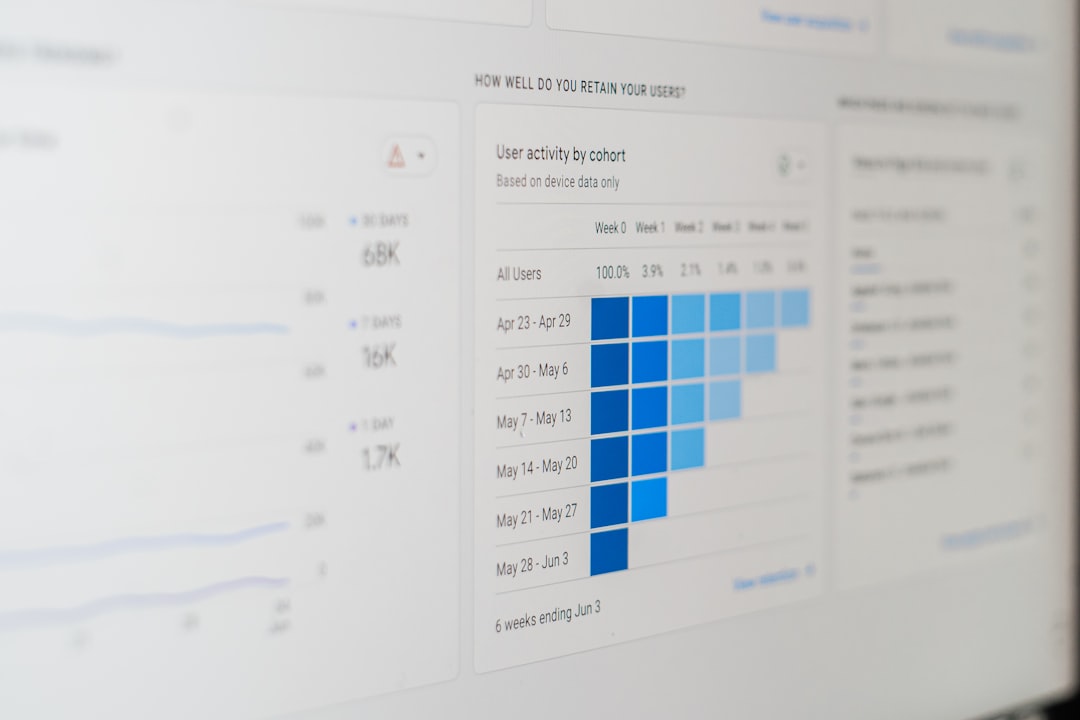
The Growing Competition on YouTube
Each minute, over 500 hours of content is uploaded to YouTube. That means no matter how valuable or entertaining your video may be, it risks being lost in the noise unless it’s properly optimized. YouTube’s ranking algorithm considers variables such as:
- Watch time
- Viewer retention
- Click-through rate (CTR) on your thumbnails and titles
- Engagement signals like likes, comments, and shares
- Relevant keywords in titles, tags, and descriptions
An SEO tool helps you target these variables intentionally. Rather than going in blind, you’re able to rely on data and trends to shape your content strategy.
Popular SEO Tools for YouTube Creators
Several SEO tools are designed specifically for YouTube creators. While each has unique features, they all provide key data to help boost your performance. Here are three of the most popular:
- TubeBuddy: Offers keyword explorer, tag suggestions, A/B testing for thumbnails, and more. Perfect for both beginners and experienced creators.
- vidIQ: Comes with real-time analytics, keyword scores, video audits, and even competitor tracking.
- Morningfame: Focuses on simplifying SEO with performance reports and clear guidance for creators trying to grow strategically.

How SEO Tools Help at Each Stage of Content Creation
Let’s break down how using a YouTube SEO tool supports a creator throughout the video production process:
1. Planning the Video
Before you even hit record, a good SEO tool can help you research keywords and identify trending topics based on what your audience is searching for. Instead of creating content and hoping it gains traction, you’ll create content around proven demand.
2. Optimizing Before Upload
SEO tools suggest the best words and phrases to include in your title, description, and tags for maximum visibility. They’ll also advise on thumbnail optimization, helping you design compelling images that get more clicks.
3. Improving Post-Upload Performance
Once your video is live, these tools track performance metrics such as CTR, engagement rate, and average watch time. Based on this data, you can adjust parts of your video’s metadata or update your thumbnails to boost performance.
Why Manual Optimization Isn’t Enough
Sure, you could attempt to optimize your content manually, but this comes with challenges:
- Time-Consuming: Searching keyword trends manually or using free keyword planners takes hours you could spend creating content.
- Incomplete Data: You won’t get insights like tag performance, CTR comparisons, or competitor benchmarks without the right tools.
- A Head Start for Others: Competitors using SEO tools have an immediate advantage over those who don’t. Why stay behind?
The Role of Data in Creative Growth
There’s a misconception among some creators that following data and being creative are mutually exclusive. In truth, data enhances creativity. SEO tools don’t tell you what to create; they tell you how to ensure what you want to create reaches the right audience.
Think of it like painting a masterpiece but making sure it’s displayed in the best gallery possible. SEO tools make sure your content doesn’t go unnoticed by helping it appear in feeds, search results, and recommendations — where growth happens.
A Game-Changer for Small and Growing Channels
If you’re a small channel struggling to get noticed amidst bigger creators, SEO tools can be your competitive edge. While well-established channels rely on their large audiences for views, smaller ones have to fight for every click and second of watch time. With data-informed decisions, you can create content that punches above its weight class.
Final Thoughts: It’s an Investment, Not an Expense
Many YouTube SEO tools offer free versions with limited functionality, and inexpensive paid options are available as well. Considering the potential return on investment—more views, more subscribers, and better monetization—it’s clear that an SEO tool isn’t a luxury. It’s a necessity.
Whether you’re trying to reach your first 1,000 subscribers or aiming for 100,000, an SEO tool provides the roadmap. In a platform driven by algorithms and audience behavior, every small optimization counts — and SEO tools turn guesswork into proven strategy.
In short, if you’re a YouTube creator and you’re not yet using an SEO tool, you’re leaving growth on the table. It’s time to level up your content game with data, insight, and smarter strategy.