
Customers have more choices than ever. One bad experience and they move on. One great experience and they stay for years. That is why business technology tools matter so much today. The right tools help you listen, respond, personalize, and delight. And yes, they can even make work more fun for your team.
TLDR
Great customer experience is built with smart tools. CRM systems help you know your customers. Chat, AI, and feedback tools help you talk to them fast. Analytics and personalization tools help you serve the right thing at the right time.
Let’s explore the top business technology tools that can seriously improve customer experience. No jargon. No headaches. Just simple ideas that work.
1. Customer Relationship Management (CRM) Tools
A CRM is like a digital memory for your business. It remembers everything about your customers. Names. Emails. Past purchases. Support tickets. Even notes from phone calls.
Without a CRM, teams guess. With a CRM, they know.
Popular CRM tools include:
- Salesforce
- HubSpot
- Zoho CRM
These tools help sales, support, and marketing work together. Everyone sees the same data. No more asking customers to repeat their story. Customers love that.
A CRM also helps you personalize messages. You can send follow-ups that feel human. Not robotic. That builds trust fast.
Image not found in postmeta2. Live Chat and Messaging Tools
People hate waiting. Especially online. Live chat tools fix that problem.
They let customers ask questions and get answers right away. On your website. In your app. Even on social media.
Top live chat tools include:
- Intercom
- Zendesk Chat
- LiveChat
These tools often show when an agent is typing. That small detail feels comforting. Like someone is really there.
Many tools also save chat history. Customers can come back later and pick up where they left off. No frustration. Just smooth conversations.
3. AI Chatbots for 24/7 Support
You cannot be awake all the time. But AI can.
AI chatbots answer common questions day and night. Shipping times. Password resets. Appointment booking. Easy stuff.
This gives customers instant help. And it gives your team more time for complex issues.
Popular chatbot tools include:
- Drift
- Tidio
- Freshchat
Modern chatbots are smart. They learn from past chats. They sound friendly. Not stiff.
And when things get tricky, they hand off to a human. Customers feel supported, not trapped.
Image not found in postmeta4. Customer Feedback and Survey Tools
You cannot improve what you do not measure.
Feedback tools help you hear the real voice of the customer. Not guesses. Not assumptions.
You can ask simple questions like:
- How easy was this?
- Would you recommend us?
- What could be better?
Popular feedback tools are:
- SurveyMonkey
- Typeform
- Hotjar
Some tools even show recordings of user behavior. You can watch where people click. Or where they get stuck.
This insight is gold. It tells you exactly what to fix next.
5. Personalization and Marketing Automation Tools
Customers want to feel special. Not like one of many.
Personalization tools help deliver that feeling.
They show different content to different users. Based on behavior. Location. Or past purchases.
Marketing automation tools include:
- Mailchimp
- ActiveCampaign
- Marketo
These tools send timely emails. They trigger messages after actions. Like abandoned carts or sign-ups.
When done right, it feels helpful. Not spammy.
Customers see offers they care about. And they respond better.
6. Help Desk and Ticketing Systems
Support issues can get messy fast.
Ticketing systems bring order to chaos.
Every request gets a ticket. Every ticket gets tracked. Nothing falls through the cracks.
Top help desk tools include:
- Zendesk
- Freshdesk
- Help Scout
These tools set priorities. Assign agents. Track response times.
Customers can check ticket status too. That reduces anxiety. And repeat messages.
A calm customer is a happy customer.
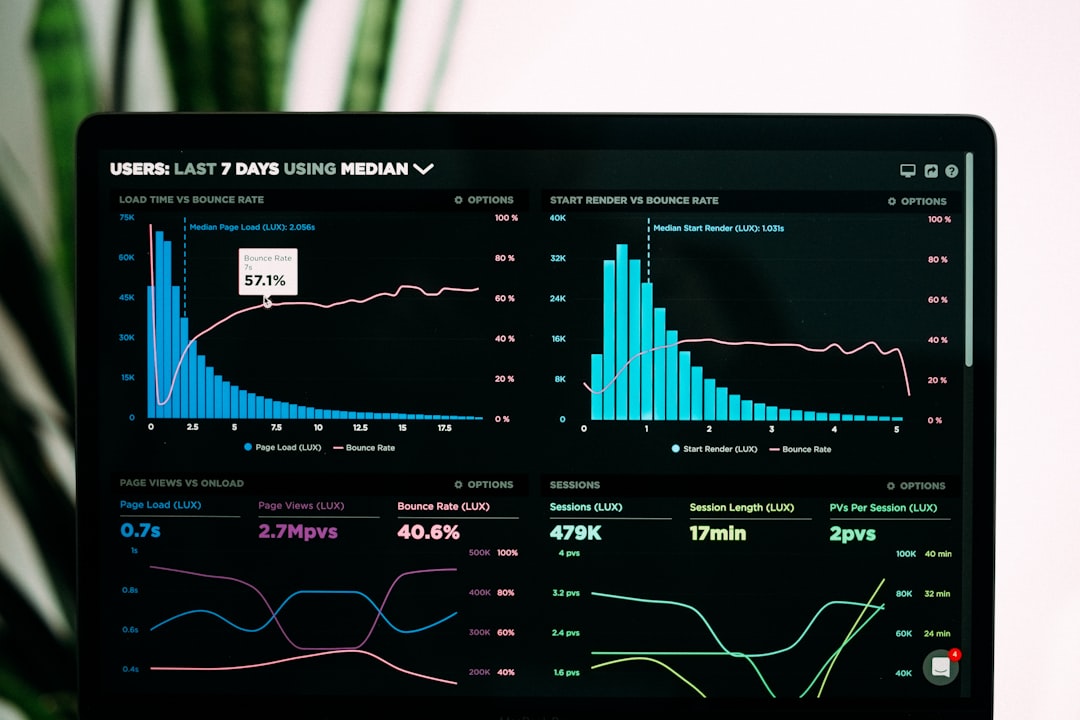
7. Analytics and Customer Experience Monitoring
Data tells stories. If you listen.
Analytics tools show how customers move through your site or app. Where they smile. And where they struggle.
Common analytics tools are:
- Google Analytics
- Mixpanel
- Amplitude
These tools track clicks, time on page, and drop-offs.
You can test changes. Then see what works.
Customer experience becomes a science. Not a guess.
8. Omnichannel Communication Platforms
Customers talk everywhere.
Email. Chat. Phone. Social media.
Omnichannel tools bring all messages into one place.
Examples include:
- Twilio
- Sprout Social
- Hootsuite
Your team replies from one dashboard. With full context.
That means faster responses. And consistent tone.
Customers do not feel lost between channels. They feel seen.
9. Self-Service Knowledge Bases
Sometimes people just want to fix things themselves.
A knowledge base helps them do that.
It includes FAQs. Guides. Videos. How-to articles.
Tools to build one include:
- Confluence
- Notion
- Document360
A good knowledge base saves time for everyone.
Customers feel empowered. Support teams get fewer tickets.
That is a win-win.
10. Voice and Call Center Technology
Sometimes a voice is best.
Modern call center tools are smart. Not clunky.
They include call routing. Recording. And transcripts.
Popular tools are:
- Five9
- Aircall
- Talkdesk
These tools reduce wait times.
They also help train agents using real calls.
Customers feel heard. Literally.
Final Thoughts
Customer experience is not magic.
It is built with many small moments. And the right tools.
You do not need all these tools at once.
Start with your biggest pain point. Fix that.
Then grow.
When technology works for people, everyone wins. Especially your customers.