
Creating a professional website no longer requires advanced coding skills or a massive budget. Modern website builders have transformed the process into something accessible, intuitive, and surprisingly powerful. Whether you’re an entrepreneur launching a startup, a freelancer building a portfolio, or a growing company expanding your digital presence, today’s top website builders offer sleek designs, robust features, and scalability that can rival custom-built sites.
TLDR: The best website builders combine ease of use, design flexibility, and powerful business tools. Platforms like Wix, Squarespace, Shopify, Webflow, and WordPress.com stand out for different reasons, from creative freedom to ecommerce strength. Choosing the right builder depends on your goals, technical skill level, and growth plans. Focus on scalability, integrations, and customization when making your decision.
What Makes a Website Builder “Professional”?
Not all website builders are created equal. A professional website builder should include:
- High-quality templates designed for modern branding standards
- Customization options without requiring advanced coding knowledge
- Mobile responsiveness for seamless viewing across devices
- SEO tools to improve search engine visibility
- Business integrations like analytics, email marketing, and ecommerce
- Scalability that supports business growth over time
Below are the best platforms that consistently deliver on these essentials.
1. Wix: Flexibility Meets Simplicity
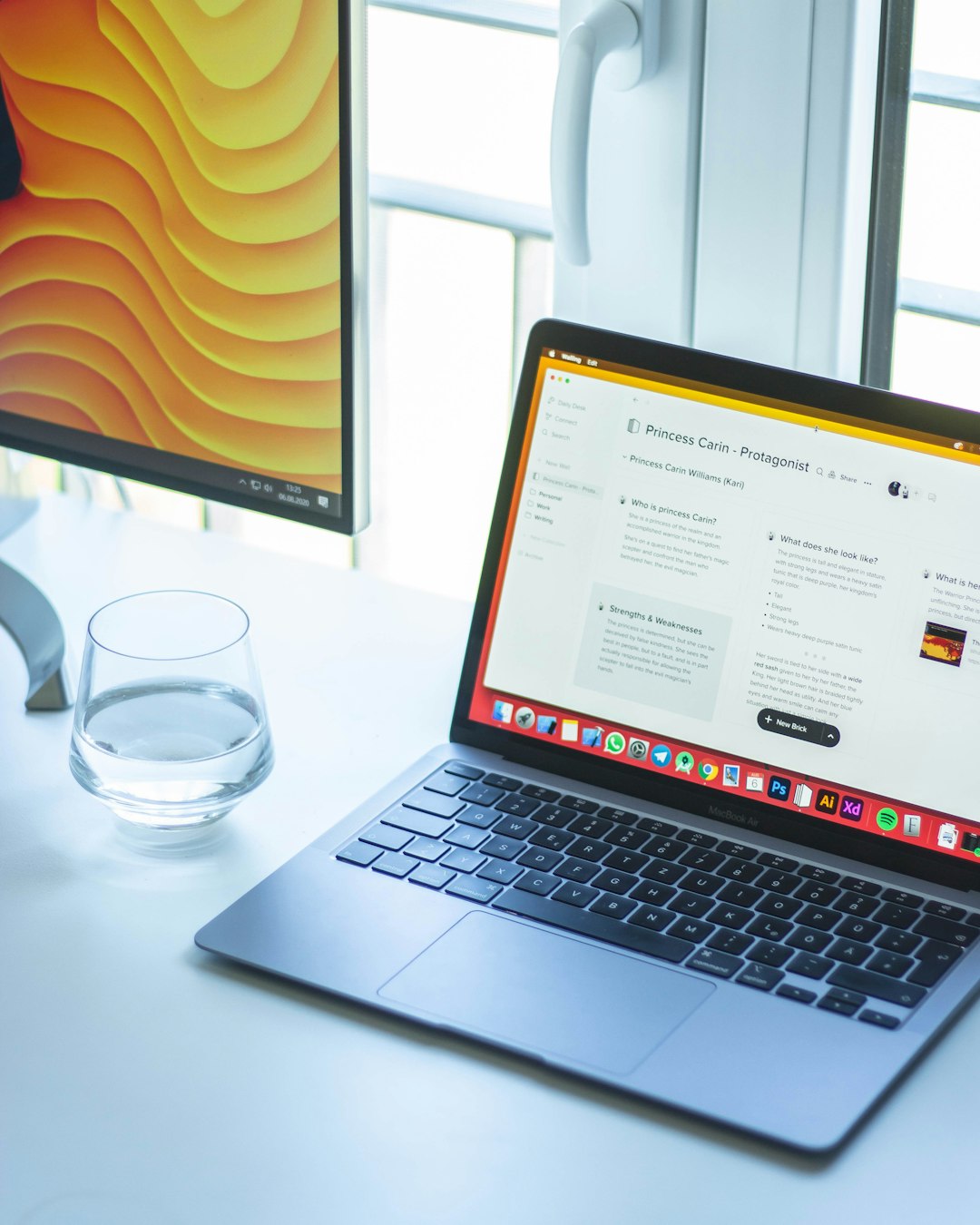
Wix is one of the most versatile website builders available today. Its drag-and-drop editor makes it easy for beginners to create fully customized layouts without coding. With hundreds of professionally designed templates, Wix supports industries ranging from hospitality to consulting.
Why it stands out:
- Intuitive drag-and-drop design
- Extensive template library
- App marketplace for advanced functionality
- Built-in SEO and marketing tools
Wix also offers advanced features like booking systems, membership areas, and ecommerce capabilities. For users who want even more convenience, Wix ADI (Artificial Design Intelligence) can create a personalized website automatically based on your answers to a few questions.
Best for: Small businesses, freelancers, creatives, and service providers who want maximum design control without technical complexity.
2. Squarespace: Sleek Design for Strong Branding
If visual impact is your priority, Squarespace is hard to beat. Known for its elegant templates and minimalist aesthetic, it’s particularly popular among photographers, designers, and lifestyle brands.
Squarespace combines beauty with functionality. The editor is structured but easy to use, making consistency across pages almost effortless.
Key strengths include:
- Award-winning, design-focused templates
- Built-in blogging tools
- Integrated ecommerce capabilities
- Strong branding and content presentation features
Although it may not be as flexible as Wix in layout customization, its polished designs often require fewer modifications to look professional.
Best for: Creatives, bloggers, personal brands, and small businesses seeking a visually striking online presence.
3. Shopify: The Ecommerce Powerhouse

For businesses primarily focused on selling products online, Shopify remains one of the strongest options available. While it’s technically a specialized ecommerce platform rather than a general website builder, its design capabilities are robust enough to create a fully professional storefront.
Shopify excels at:
- Inventory management
- Secure payment integrations
- Abandoned cart recovery
- Multichannel selling (social media and marketplaces)
The platform also offers a theme store with customizable templates and an extensive app ecosystem. With strong scalability, Shopify can support businesses from startup level to enterprise scale.
Best for: Ecommerce brands, dropshippers, and retailers planning to grow aggressively.
4. Webflow: Advanced Design for Professionals
Webflow bridges the gap between traditional website builders and fully custom-coded websites. It provides visual design tools while generating clean, production-ready code in the background.
This platform is more complex than beginner-friendly builders, but it rewards users with unmatched control over layout, animation, and interactions.
Why professionals love Webflow:
- Pixel-perfect design precision
- Advanced animations and interactions
- CMS functionality for dynamic content
- Clean code export options
Webflow requires a slightly steeper learning curve, but the results often rival custom-developed websites at a fraction of the cost.
Best for: Designers, agencies, and businesses that want complete creative control and advanced functionality.
5. WordPress.com: Content-Driven Versatility
WordPress.com is ideal for content-heavy websites and blogs. It offers managed hosting and a simplified user experience compared to self-hosted WordPress, while still providing access to themes and plugins.
Its strengths include:
- Extensive theme options
- Powerful blogging capabilities
- SEO-friendly structure
- Plugin integrations on higher-tier plans
For businesses centered around publishing, reporting, or educational content, WordPress.com delivers flexibility alongside strong content management tools.
Best for: Bloggers, media outlets, educators, and content-driven brands.
Key Factors to Consider Before Choosing

Choosing the best website builder depends largely on your goals. Consider these factors carefully:
1. Ease of Use
If you have limited technical skills, prioritize drag-and-drop functionality and pre-designed templates.
2. Customization Options
Some platforms offer highly structured layouts, while others allow full creative freedom. Decide how much control you need.
3. Ecommerce Capabilities
If you plan to sell products or services, ensure the builder includes secure payment gateways, inventory systems, and scalable checkout options.
4. SEO & Marketing Tools
Built-in SEO settings, blogging tools, email marketing integrations, and analytics can greatly enhance your online visibility.
5. Pricing and Scalability
Think long-term. A platform that fits your current needs but limits future growth can become costly to replace later.
Free vs. Paid Website Builders
Many platforms offer free plans, but professional websites usually require upgrading to a paid subscription. Free plans often include:
- Platform-branded domains
- Limited storage or bandwidth
- Restricted features
A paid plan typically unlocks:
- Custom domain names
- Advanced analytics
- Ecommerce functionality
- Premium templates
For businesses aiming to look credible and trustworthy, investing in a paid plan is almost always worthwhile.
The Future of Website Builders
The next generation of website builders is increasingly powered by artificial intelligence. AI tools can generate layouts, suggest content, optimize SEO settings, and even personalize user experiences in real time.
Automation is also becoming more integrated, with builders offering:
- Smart content recommendations
- Automated design adjustments
- Integrated CRM tools
- Advanced customer behavior analytics
As technology evolves, website builders are closing the gap between DIY platforms and fully customized development.
Final Thoughts
The best website builder for creating a professional website ultimately depends on your business model, creative needs, and growth strategy. Wix offers flexibility and ease of use, Squarespace shines in design elegance, Shopify dominates ecommerce, Webflow empowers advanced creators, and WordPress.com excels in content management.
Instead of searching for a universally “perfect” platform, focus on alignment. Consider where your brand is today—and where it will be in three to five years. With the right website builder, you can create a digital presence that is not only professional but adaptive, scalable, and truly reflective of your brand’s identity.