
Modern search engine optimization is no longer driven by intuition alone. In a competitive digital environment where search algorithms evolve constantly and user expectations shift rapidly, data has become the foundation of sustainable success. Analytics empowers marketers to understand what works, what fails, and where opportunities exist. Without it, even the most creative SEO strategies risk becoming guesswork rather than growth engines.
TLDR: Analytics is the backbone of a high-performing SEO campaign because it transforms raw data into actionable insights. It helps marketers understand user behavior, measure keyword effectiveness, optimize technical performance, and guide content strategy. By continuously monitoring and refining SEO efforts through data, businesses can improve rankings, increase traffic, and drive conversions more effectively. A strong analytics framework ensures SEO efforts remain agile, measurable, and aligned with business goals.
Understanding the Foundation of SEO Analytics
At its core, SEO analytics involves collecting, measuring, and interpreting data related to website performance in search engines. This includes metrics such as:
- Organic traffic
- Keyword rankings
- Click-through rates (CTR)
- Bounce rates
- Conversion rates
- Backlink profiles
These metrics allow marketers to evaluate whether their SEO strategies align with broader business objectives. Rather than relying on assumptions, analytics provides measurable evidence of progress and highlights areas needing improvement.

For example, a sudden drop in organic traffic can signal technical issues, algorithm changes, or increased competition. Without analytics, identifying the root cause would be extremely difficult. With proper tracking tools in place, patterns and anomalies become visible almost immediately.
Data-Driven Keyword Strategy
Keywords remain central to SEO, but selecting them blindly can harm performance. Analytics reveals how users search, what terms they use, and how competitive those terms are. Instead of targeting high-volume keywords indiscriminately, marketers can identify high-intent, achievable opportunities that align with user needs.
Effective keyword analytics includes:
- Analyzing search volume versus competition
- Tracking ranking trends over time
- Measuring CTR for different search queries
- Identifying long-tail keyword opportunities
By interpreting this data, businesses can refine their content strategy to capture relevant traffic. Analytics also shows which keywords generate conversions rather than just visitors, enabling teams to prioritize profitability over vanity metrics.
In high-performing campaigns, keyword decisions are routinely revisited and optimized. Data not only informs initial research but also guides continuous refinement.
Enhancing Content Through Behavioral Insights
Content creation is significantly more effective when informed by user behavior analytics. Metrics such as time on page, scroll depth, bounce rate, and engagement flow provide clear signals about how visitors interact with content.
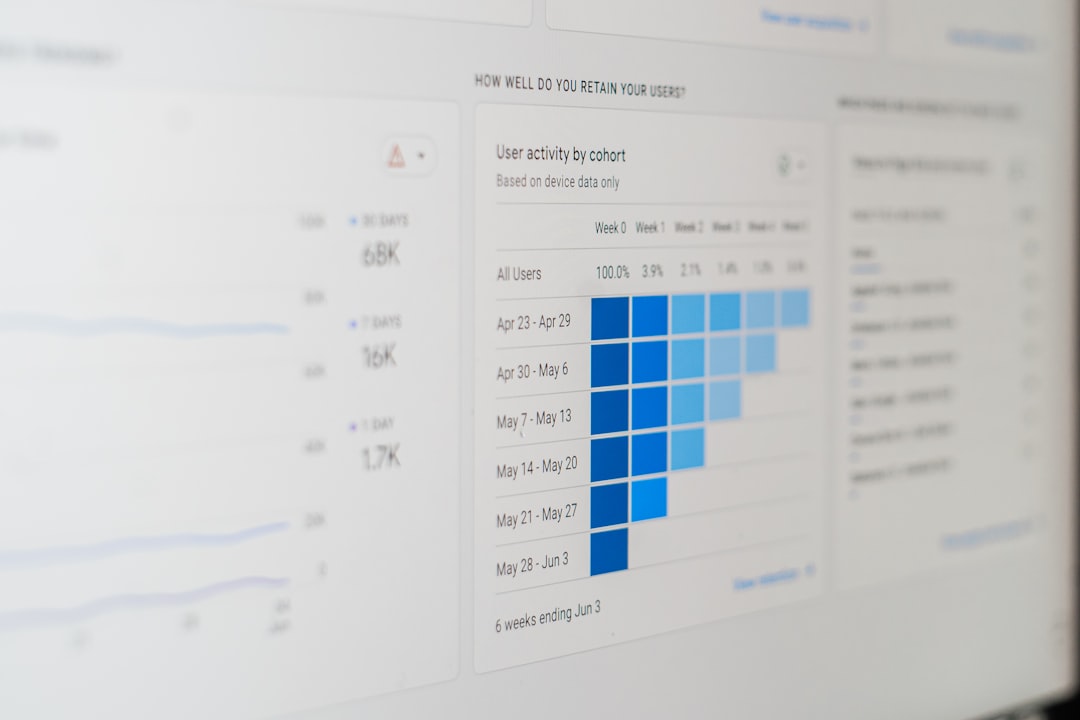
If users leave a page quickly, the issue may be mismatched intent, poor readability, or technical slowdowns. Conversely, high dwell time and multiple page visits indicate content resonance and clear navigation.
Analytics helps answer important questions:
- Are visitors finding the information they expect?
- Which formats drive the highest engagement?
- Where do users drop off in the conversion journey?
With this insight, marketers can refine headlines, improve calls to action, restructure layouts, and expand high-performing topics. Over time, analytics ensures that content evolves in response to user behavior rather than internal assumptions.
Technical SEO Optimization Through Measurement
Technical SEO plays a crucial role in search visibility, and analytics provides the benchmarks needed to maintain optimal performance. Key technical metrics include:
- Page load speed
- Core Web Vitals
- Mobile usability
- Crawl errors
- Index coverage

Search engines prioritize websites that deliver seamless user experiences. Slow websites or broken links directly impact rankings and user satisfaction. Analytics tools detect these issues early, allowing technical teams to resolve them before they damage performance.
For example, a gradual decline in mobile traffic may reveal usability issues affecting smartphone users. By monitoring device-specific data, teams can implement targeted improvements that restore visibility and engagement.
Competitor Benchmarking and Market Positioning
Analytics is not limited to internal performance tracking. It also provides insight into competitors’ strategies. By examining competitor rankings, backlink growth, and content trends, marketers can identify gaps and opportunities in the market.
Competitive analysis reveals:
- Which keywords competitors dominate
- Where backlink opportunities exist
- How content depth compares
- Emerging industry trends
This intelligence allows businesses to refine their SEO campaigns strategically rather than reactively. Instead of competing on overly saturated terms, they can explore niche areas with higher growth potential.
Conversion Tracking and ROI Measurement
A high-performing SEO campaign does more than increase traffic; it generates measurable business outcomes. Analytics bridges the gap between rankings and revenue by tracking user journeys from entry to conversion.
Important conversion metrics include:
- Goal completions
- E-commerce transactions
- Lead form submissions
- Assisted conversions
By mapping these touchpoints, businesses can understand how organic traffic contributes to the overall sales funnel. Analytics may reveal, for instance, that blog posts support conversions indirectly by nurturing leads, even if they are not the final conversion page.
This holistic perspective ensures SEO investments are evaluated based on real impact rather than surface-level visibility metrics.
Continuous Improvement Through Data Iteration
One of the most powerful roles of analytics in SEO is enabling continuous optimization. Search environments are dynamic; algorithms update frequently, and user habits shift over time. Analytics supports an iterative cycle of testing, measuring, and refining.
This cycle often follows these stages:
- Implement strategy changes
- Collect performance data
- Analyze trends and anomalies
- Adjust tactics accordingly
For example, updating metadata to improve CTR can be measured within weeks. If engagement increases, similar optimizations can be applied across other pages. If performance declines, teams can quickly revert and test alternatives.
This agile approach reduces risk and increases the probability of sustained growth.
Advanced Analytics and Predictive Insights
As analytics tools become more sophisticated, SEO campaigns can leverage advanced modeling and predictive analysis. Machine learning algorithms help identify patterns in massive datasets, enabling marketers to forecast trends and anticipate shifts in demand.
Predictive analytics can:
- Estimate seasonal keyword fluctuations
- Identify potential ranking volatility
- Forecast traffic growth under different scenarios
These insights transform SEO from reactive problem-solving into proactive strategy planning. Organizations that harness predictive data can allocate resources more effectively and capitalize on emerging opportunities before competitors do.
Building a Data-Driven SEO Culture
Analytics alone does not guarantee success; its effectiveness depends on how organizations use it. High-performing SEO campaigns are supported by a culture that values transparency, experimentation, and evidence-based decisions.
This involves:
- Establishing clear KPIs aligned with business goals
- Creating accessible performance dashboards
- Encouraging cross-department collaboration
- Prioritizing long-term growth over short-term spikes
When teams regularly review data and share insights, SEO becomes integrated with marketing, sales, and product strategies. This cohesion strengthens overall digital performance.
Conclusion
The role of analytics in creating a high-performing SEO campaign cannot be overstated. It transforms abstract goals into measurable actions and reveals the path toward sustainable growth. From keyword selection and content optimization to technical performance and ROI measurement, analytics informs every stage of the SEO journey.
In an environment defined by constant change, data provides stability and clarity. Organizations that embrace analytics as a strategic asset position themselves not only to compete but to lead in search engine visibility and digital performance.
Frequently Asked Questions (FAQ)
-
1. Why is analytics essential for SEO success?
Analytics provides measurable data about traffic, rankings, user behavior, and conversions. Without it, businesses cannot accurately evaluate performance or make informed improvements. -
2. Which metrics are most important in an SEO campaign?
Key metrics include organic traffic, keyword rankings, click-through rates, bounce rates, conversion rates, and technical performance indicators like page speed and Core Web Vitals. -
3. How often should SEO analytics be reviewed?
Performance should be monitored continuously, with deeper analysis conducted monthly or quarterly to identify trends and adjust strategies accordingly. -
4. Can analytics help improve content performance?
Yes. Behavioral data such as time on page, engagement rates, and drop-off points reveals how users interact with content, enabling targeted optimization. -
5. How does analytics connect SEO to revenue?
By tracking conversions, assisted conversions, and user journeys, analytics demonstrates how organic search contributes directly and indirectly to sales and lead generation. -
6. Is predictive analytics the future of SEO?
Predictive analytics is becoming increasingly valuable. It allows marketers to anticipate trends, forecast traffic, and proactively refine strategies rather than reacting after changes occur.