
Learning to code is exciting—but it can also be overwhelming. As a beginner, you’re not just trying to write code that works; you’re trying to understand why it works. Syntax errors, hidden bugs, inconsistent formatting, and confusing logic can make early programming experiences frustrating. That’s where AI code reviewers step in. These intelligent tools analyze your code, suggest improvements, explain mistakes, and help you develop clean coding habits from day one.
TLDR: AI code reviewers help beginners write cleaner, more reliable code by offering real-time feedback, error detection, and best-practice suggestions. The best tools combine simplicity with powerful analysis and beginner-friendly explanations. In this article, we explore four top AI code review tools and compare their strengths, pricing, and ideal use cases. If you’re starting your coding journey, these tools can accelerate your learning curve dramatically.
Instead of waiting for a teacher, mentor, or senior developer to review your work, AI-powered tools provide instant, actionable feedback. They don’t just point out what’s wrong—they often explain why it matters and how to fix it. Let’s explore how AI code reviewers work and which tools are best for beginners.
Why Beginners Should Use AI Code Reviewers
When you’re starting out, it’s easy to develop small bad habits that later become hard to fix. AI code review tools act like a supportive mentor sitting beside you.
- Instant feedback – No waiting for manual reviews.
- Error detection – Catch bugs, syntax mistakes, and logical issues early.
- Style improvements – Learn proper formatting and clean code structure.
- Explanation-based learning – Many tools explain the reasoning behind suggestions.
- Confidence boost – Write better code and feel more assured in your skills.
Here’s a visual of how AI code review integrates into a beginner’s workflow:
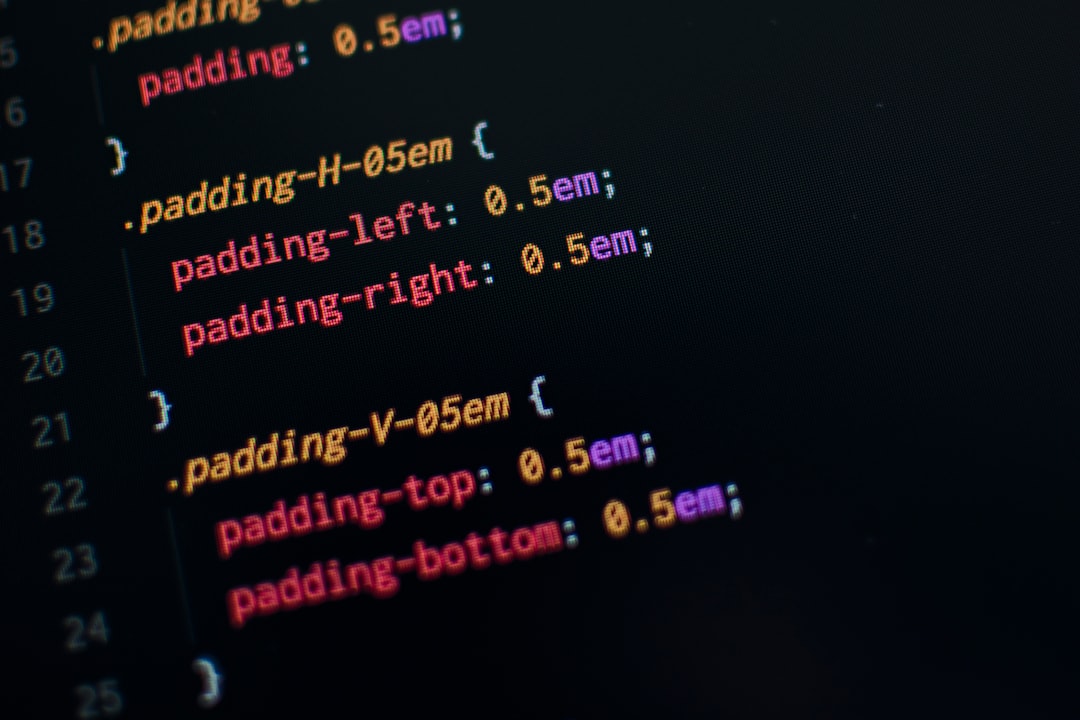
Now, let’s look at the four best AI code reviewer tools for beginners.
1. GitHub Copilot
GitHub Copilot is one of the most widely known AI coding tools. Powered by advanced large language models, it integrates directly into popular code editors like VS Code and JetBrains.
Why It’s Great for Beginners
- Real-time code suggestions as you type
- Autocomplete for entire functions
- Support for multiple programming languages
- Understands comments and generates matching code
For beginners, Copilot acts like an intelligent pair programmer. You can write a comment like “create a function to sort a list in ascending order”, and it generates a working solution.
Pros:
- Speeds up learning and development
- Works inside familiar editors
- Encourages experimentation
Cons:
- May generate code that works but isn’t optimal
- Requires reviewing suggestions carefully
Best for: Beginners who want hands-on coding assistance while practicing.
2. Codeium
Codeium is a strong alternative to Copilot and particularly attractive to beginners because it offers a robust free tier.
What Makes It Beginner-Friendly?
- Free access for individual developers
- AI-powered autocomplete
- Chat-based code explanations
- Supports many IDEs and languages
Codeium goes beyond simple autocompletion. New programmers can highlight code and ask for clarification or refactoring suggestions.

This interactive learning style helps you understand errors instead of just fixing them mechanically.
Pros:
- Generous free access
- Clear suggestions and explanations
- Lightweight and easy setup
Cons:
- Occasional less-refined outputs compared to premium tools
Best for: Budget-conscious beginners who want powerful AI assistance.
3. DeepCode (Snyk Code)
If you’re serious about writing secure, production-ready code from the beginning, DeepCode (now part of Snyk Code) is an excellent option.
Focus on Code Quality and Security
Unlike tools mainly focused on autocompletion, DeepCode emphasizes:
- Security vulnerability detection
- Code quality analysis
- Logical bug detection
- Integration with Git repositories
For beginners, this is incredibly valuable. Learning about secure coding practices early sets you apart later in your career.
Pros:
- Strong security insights
- Great for collaborative projects
- Automated pull request reviews
Cons:
- Slightly steeper learning curve
- More analysis-focused than interactive
Best for: Beginners working on real-world projects or learning about cybersecurity fundamentals.
4. Amazon CodeWhisperer
Amazon CodeWhisperer is another AI-powered coding assistant designed to generate suggestions in real time.
Standout Features
- Context-aware code recommendations
- Built-in security scanning
- Free tier for individual use
- Strong cloud and AWS integration
It’s particularly helpful if you’re exploring cloud computing or AWS services as a beginner.

CodeWhisperer also flags potential security concerns, which teaches good habits early.
Pros:
- Integrated security checks
- Cloud-focused support
- Free option available
Cons:
- Best experience within AWS ecosystem
Best for: Beginners interested in web apps, backend development, or cloud computing.
Comparison Chart: AI Code Reviewer Tools for Beginners
| Tool | Free Version | Main Strength | Best For | Ease of Use |
|---|---|---|---|---|
| GitHub Copilot | Limited trial | Real-time code generation | General coding practice | Very Easy |
| Codeium | Yes | Free AI autocomplete | Students and hobbyists | Very Easy |
| DeepCode (Snyk) | Yes (limited) | Security and bug detection | Project-based learners | Moderate |
| Amazon CodeWhisperer | Yes | Cloud-ready suggestions | AWS beginners | Easy |
How to Choose the Right AI Code Reviewer
Not every beginner needs the same tool. Here’s a quick guide:
- If you want instant autocomplete help, start with GitHub Copilot or Codeium.
- If you’re focused on secure coding and best practices, try DeepCode.
- If you’re learning cloud development, Amazon CodeWhisperer is ideal.
Think about your current goals. Are you practicing algorithms? Building small apps? Learning backend development? Let your objective guide your choice.
Tips for Using AI Code Reviewers Effectively
AI tools are powerful—but they’re most effective when used wisely.
- Always review suggestions carefully. Don’t copy and paste blindly.
- Ask why a suggestion works. Treat it as a learning opportunity.
- Test your code independently. Verify expected behavior.
- Compare AI suggestions with documentation. This reinforces understanding.
Remember: the goal isn’t to let AI write everything. The goal is to help you become a better programmer.
Final Thoughts
Learning to code has never been more accessible. With AI code reviewers, beginners now have access to instant feedback that once required years of experience to provide. These tools reduce frustration, accelerate skill development, and introduce best practices early in your journey.
Whether you choose GitHub Copilot for real-time assistance, Codeium for free flexibility, DeepCode for security insights, or Amazon CodeWhisperer for cloud integration, you’ll gain a valuable digital mentor.
Used thoughtfully, AI code reviewers don’t replace learning—they amplify it. And for beginners eager to write cleaner, smarter, and more reliable code, that advantage can make all the difference.