
Dunkin’ remains one of the most recognizable quick-service restaurant brands in the United States, known for its coffee, donuts, and breakfast menu staples. As of 2026, the company continues to expand its footprint across the country, reinforcing its reputation as a dominant player in the coffee and fast-food industry. With shifting consumer preferences, franchise-driven growth, and geographic expansion strategies, Dunkin’s U.S. presence has reached impressive new levels.
TLDR: In 2026, Dunkin’ operates approximately 9,750 to 9,900 locations in the United States, maintaining its position as one of the largest coffee chains in the country. The brand continues to expand strategically, particularly in western states, while strengthening its core markets in the Northeast. Growth is driven largely by franchise expansion, drive-thru optimized locations, and increased mobile ordering demand. Dunkin’ remains in close competition with Starbucks as it pushes toward its long-term U.S. expansion targets.
How Many Dunkin’ Locations Are in the U.S. in 2026?
As of early 2026, Dunkin’ operates an estimated 9,750 to 9,900 locations across the United States. The company has maintained steady growth over the past several years, adding approximately 150–300 net new stores annually, depending on regional development strategies and market conditions.
Dunkin’s long-stated goal has been to reach 10,000+ U.S. locations, and it is now closer than ever to that milestone. While growth has slowed slightly compared to earlier aggressive expansion periods, the company remains committed to building density in underserved markets.
Image not found in postmetaWhere Are Most Dunkin’ Locations Concentrated?
Dunkin’ has historically been strongest in the Northeast United States, where the brand enjoys near-iconic status. States with the highest concentration of Dunkin’ stores in 2026 include:
- New York
- Massachusetts
- Florida
- New Jersey
- Illinois
- California (rapidly growing)
Massachusetts continues to lead in Dunkin’ locations per capita, reflecting the company’s origins in Quincy, MA. However, the brand’s expansion strategy over the last decade has focused heavily on the West Coast and Southern states, which historically had limited Dunkin’ presence.
Growth Trends from 2020 to 2026
Dunkin’s store growth over the past six years has followed a strategic and carefully managed path. Rather than rapidly saturating new markets, the company adopted a franchise-led, incremental growth model:
- 2020–2021: Focus on store remodels and drive-thru modernization.
- 2022–2023: Increased new store openings in Texas and California.
- 2024–2025: Higher emphasis on digital order-friendly locations.
- 2026: Push toward 10,000-unit milestone.
Dunkin’ has closed underperforming stores in certain densely saturated regions, but overall net growth remains positive each year.
Dunkin’ vs. Starbucks: Location Comparison
While Dunkin’ remains one of the largest coffee chains in the U.S., it competes primarily with Starbucks, which maintains a larger footprint nationally.
| Brand | Estimated U.S. Locations (2026) | Primary Focus | Growth Strategy |
|---|---|---|---|
| Dunkin’ | 9,750–9,900 | Coffee & breakfast value | Franchise expansion & drive-thru |
| Starbucks | 16,000+ | Premium coffee beverages | Corporate-owned & global dominance |
Although Starbucks operates significantly more stores, Dunkin’ differentiates itself with:
- Lower average price points
- Strong brand loyalty in established markets
- High drive-thru store percentage
- Simplified menu efficiency
What’s Driving Dunkin’s Growth in 2026?
Several key factors fuel Dunkin’s continued expansion:
1. Franchise-Based Expansion
Dunkin’ operates almost entirely through a franchise model, which allows for rapid growth with reduced corporate overhead. In 2026, the majority of new store openings are driven by multi-unit franchise operators expanding their portfolios.
2. Drive-Thru Optimization
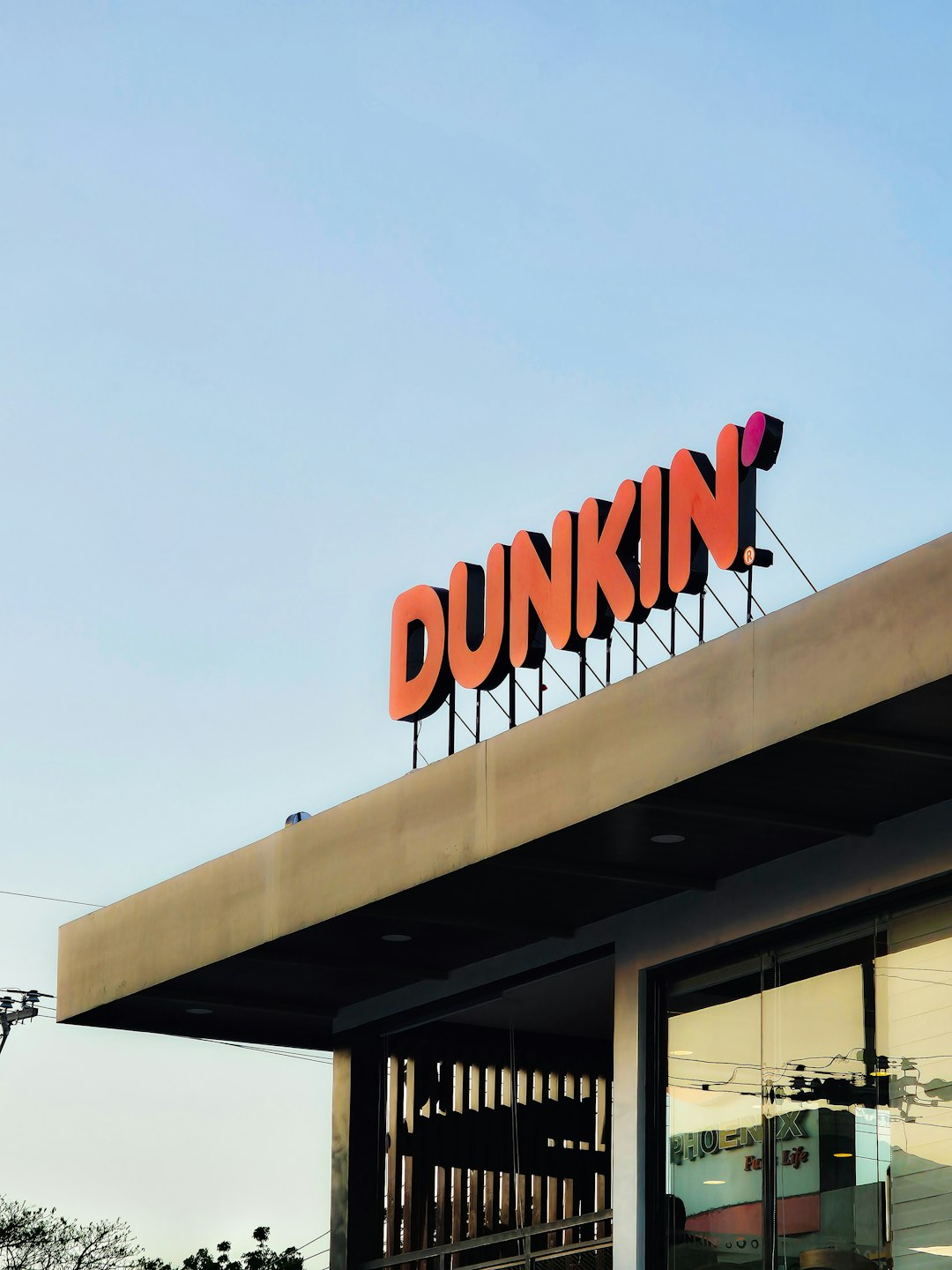
Drive-thru locations now account for the majority of new builds. These stores often have smaller indoor seating areas and prioritize convenience and speed.
3. Digital Orders & Mobile Apps
Mobile ordering continues to represent a growing share of sales in 2026. The Dunkin’ rewards program and app ordering system push repeat visits and increase operational efficiency.
4. Menu Innovation
While coffee remains central, Dunkin’ has expanded its offerings to include:
- Enhanced espresso beverages
- Limited-time seasonal drinks
- Expanded breakfast sandwiches
- Energy drinks and refreshers
Regional Expansion Highlights in 2026
Some of the fastest-growing Dunkin’ regions include:
Texas
Texas remains a major expansion focus. With hundreds of stores already operational, the state still offers room for additional market penetration, particularly in suburban zones.
California
California was once an underrepresented market for Dunkin’, but aggressive franchising efforts have significantly increased store counts over the past five years.
Arizona & Colorado
The Southwest region has seen consistent year-over-year unit growth, contributing substantially to the national increase.
Has Dunkin’ Reached Market Saturation?
In the Northeast, particularly in states like Massachusetts and Rhode Island, Dunkin’ is approaching practical saturation levels. In some urban areas, stores are located within extremely close proximity to one another.
However, nationally, Dunkin’ still has room for expansion, particularly in:
- The Pacific Northwest
- Mountain states
- Certain Midwest rural markets
The company’s long-term U.S. development plan indicates potential for reaching 11,000 to 12,000 domestic units in the coming decade if market conditions remain favorable.
International vs. Domestic Focus
Although Dunkin’ operates internationally, the U.S. remains its primary revenue generator. Roughly two-thirds of total locations are within the United States. In 2026, corporate focus appears strongly tilted toward strengthening domestic brand dominance rather than accelerating overseas growth.
Impact of Consumer Trends on Store Count
Consumer trends significantly shape Dunkin’s location strategy. Some major influences in 2026 include:
- Convenience prioritization: Smaller footprint drive-thru focused builds.
- Hybrid work culture: Growth in suburban commuter markets.
- Value-conscious spending: Competitive pricing versus premium chains.
- Health awareness: Light menu innovations and plant-based alternatives.
Dunkin’s growth has been resilient due to its position as a daily habit brand rather than a luxury purchase.
Projected Dunkin’ Location Count for 2027 and Beyond
If current growth trends continue, analysts anticipate Dunkin’ will surpass 10,000 U.S. stores by late 2026 or early 2027. The exact timing depends on franchise development agreements, construction timelines, and regional permitting processes.
The strategic outlook remains steady rather than explosive, favoring sustainable density growth over rapid oversaturation.
Key Takeaways
- Dunkin’ operates approximately 9,750–9,900 U.S. locations in 2026.
- The brand is close to reaching its 10,000-store domestic milestone.
- Strongest markets remain in the Northeast.
- Fastest growth is occurring in the South and West.
- Franchise-driven expansion continues to power new development.
With a stable growth strategy and expanding presence in emerging regions, Dunkin’ remains one of America’s most expansive quick-service coffee chains heading into the latter half of the decade.
Frequently Asked Questions (FAQ)
How many Dunkin’ locations are there in the U.S. in 2026?
There are approximately 9,750 to 9,900 Dunkin’ locations in the United States as of 2026.
What state has the most Dunkin’ stores?
New York and Massachusetts typically compete for the highest total number of locations, while Massachusetts leads in locations per capita.
Is Dunkin’ still expanding in 2026?
Yes. Dunkin’ continues to open new stores each year, focusing on drive-thru friendly markets in the South and West.
How close is Dunkin’ to 10,000 U.S. locations?
Dunkin’ is fewer than 300 stores away from reaching 10,000 U.S. locations and may hit the milestone by late 2026 or early 2027.
Does Dunkin’ or Starbucks have more U.S. locations?
Starbucks has significantly more U.S. stores, with over 16,000 locations in 2026, compared to Dunkin’s roughly 9,800.
Are all Dunkin’ stores franchised?
Nearly all Dunkin’ locations operate under a franchise model, which allows for rapid expansion without heavy corporate ownership.
Why is Dunkin’ so popular in the Northeast?
Dunkin’ was founded in Massachusetts and built strong brand loyalty there over decades, leading to high store density across Northeastern states.