
Modern businesses that rely on transportation are increasingly turning to digital tools to improve efficiency, cut costs, and enhance safety. Fleet management apps have become indispensable for companies operating cars, vans, trucks, and specialized vehicles, offering real-time insights into vehicle location, driver behavior, maintenance needs, and operational performance. With rising fuel costs and growing customer expectations for quick delivery, real-time monitoring is no longer a luxury—it is a necessity.
TLDR: Fleet management apps help businesses monitor vehicles in real time using GPS tracking, telematics, and cloud-based dashboards. These tools improve route planning, reduce fuel consumption, increase safety, and simplify compliance. By offering instant data on location, driver behavior, and vehicle health, they empower companies to make faster, smarter decisions. Choosing the right app depends on fleet size, budget, and operational needs.
Why Real-Time Fleet Monitoring Matters
Real-time vehicle monitoring provides companies with unparalleled visibility into daily operations. Instead of relying on driver check-ins or delayed reports, managers can view live dashboards showing where each vehicle is located, how fast it is moving, and whether it is idling excessively.
The benefits of real-time fleet visibility include:
- Improved route optimization: Avoid traffic congestion and reduce travel time.
- Lower fuel costs: Identify wasteful driving habits and idle times.
- Enhanced driver safety: Monitor speeding, harsh braking, and rapid acceleration.
- Faster customer service: Provide accurate delivery estimates.
- Reduced theft risk: Track and recover stolen vehicles quickly.
With increasingly competitive markets, businesses cannot afford inefficient fleet operations. Real-time tracking helps fleet managers respond proactively rather than reactively.
Core Features of Fleet Management Apps
Most leading fleet management solutions share a set of powerful features designed to streamline operations and provide actionable insights.
1. GPS Tracking
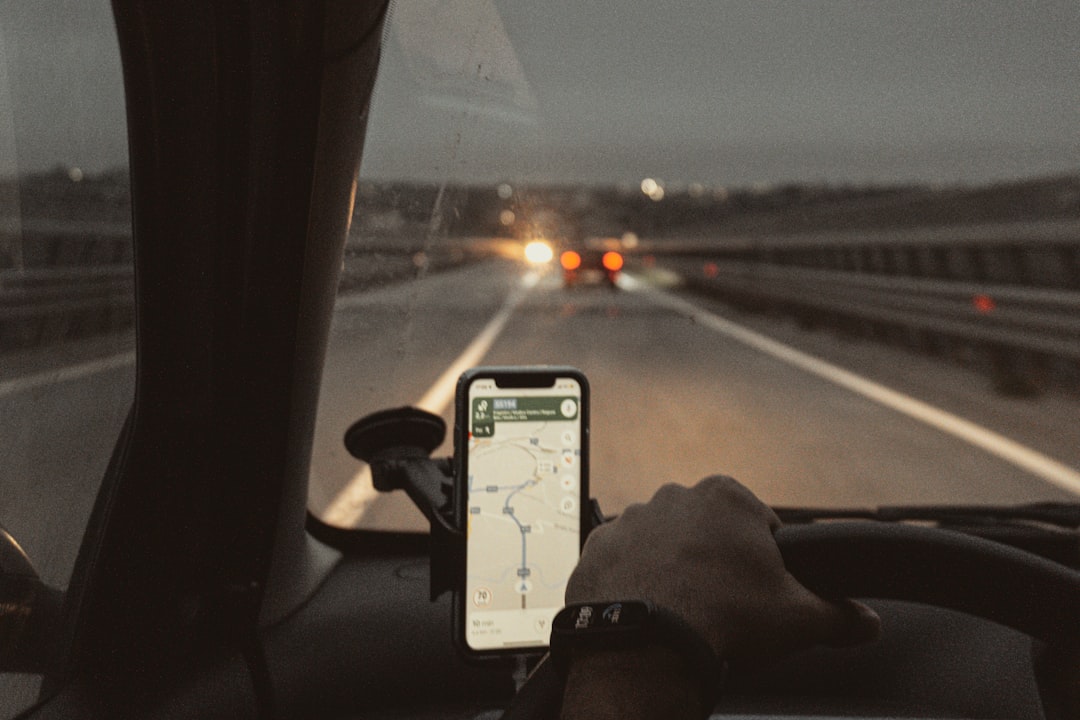
GPS tracking is the foundation of fleet management technology. It enables managers to monitor vehicle locations in real time and review historical travel data for performance analysis.
2. Telematics Integration
Telematics devices collect data from a vehicle’s onboard diagnostics system. This includes engine health, fuel consumption, speed, and other performance indicators.
3. Driver Behavior Monitoring
Apps often record driving patterns such as sudden braking, cornering, speeding, and acceleration. Fleet managers can use this information to implement targeted driver training programs.
4. Maintenance Scheduling
Automated alerts notify managers when vehicles require servicing. Preventative maintenance reduces breakdowns and extends vehicle lifespan.
5. Reporting and Analytics
Detailed reports help organizations analyze productivity, cost trends, compliance, and overall fleet efficiency.
Top Fleet Management Apps for Real-Time Monitoring
There are numerous solutions available, each tailored to different business sizes and industries. Below are some of the most widely used fleet management platforms.
1. Verizon Connect
Verizon Connect offers advanced GPS tracking, real-time alerts, route planning, and extensive analytics. It is ideal for mid-sized to large fleets requiring comprehensive monitoring.
2. Samsara
Samsara integrates AI-powered dashcams with GPS tracking and telematics. It focuses heavily on driver safety and compliance, making it popular for logistics companies.
3. Geotab
Geotab is known for its customizable platform and deep data insights. It is suitable for businesses seeking robust reporting and open API integrations.
4. Fleet Complete
Fleet Complete provides real-time tracking, asset management, and fuel usage reports. It is often used by service-based industries such as utilities and field services.
5. Motive
Motive combines fleet tracking with driver safety monitoring and compliance tools, making it popular among trucking and transportation companies.
Fleet Management App Comparison Chart
| Platform | Real-Time GPS | Driver Safety Tools | Maintenance Alerts | Best For |
|---|---|---|---|---|
| Verizon Connect | Yes | Yes | Yes | Large enterprise fleets |
| Samsara | Yes | AI dashcams | Yes | Logistics and delivery fleets |
| Geotab | Yes | Yes | Yes | Data driven companies |
| Fleet Complete | Yes | Basic monitoring | Yes | Service industries |
| Motive | Yes | Advanced compliance | Yes | Trucking companies |
How Fleet Apps Improve Operational Efficiency
Fleet management software helps organizations minimize inefficiencies through automation and data-driven decision-making.
For example, dynamic route planning tools analyze traffic patterns and recommend quicker alternatives in real time. Dispatchers can reroute drivers instantly, preventing costly delays.
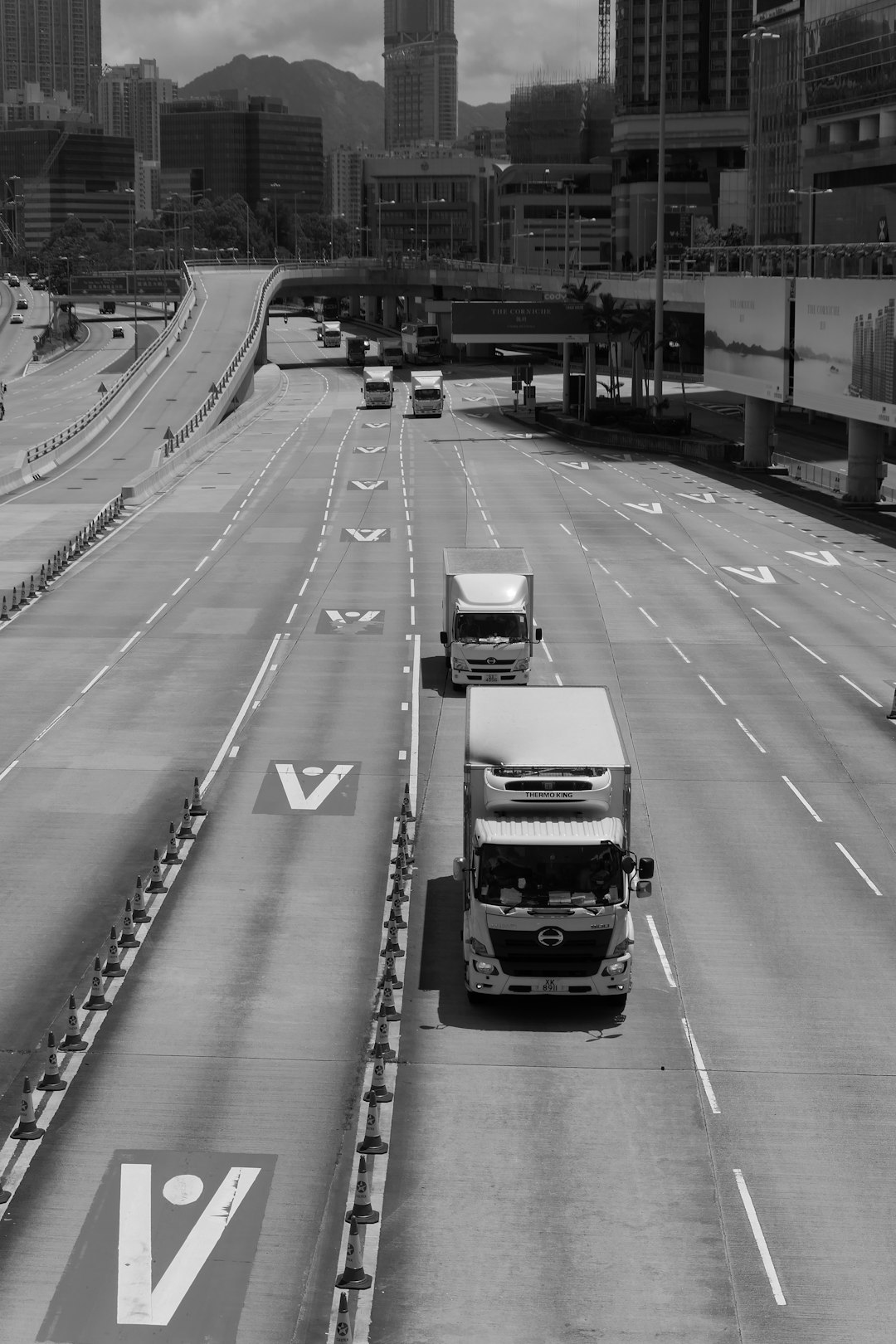
Fuel usage tracking allows managers to identify patterns across vehicles and drivers. By reducing idle time and optimizing routes, companies can significantly lower fuel expenses—often one of the largest operational costs.
Automation also reduces administrative burdens. Digital logbooks, automated compliance documentation, and centralized reporting eliminate time-consuming paperwork.
Enhancing Safety and Compliance
Safety is a primary concern for fleet-dependent businesses. Real-time monitoring plays a crucial role in preventing accidents and ensuring regulatory compliance.
Driver scorecards offer measurable benchmarks based on:
- Speeding frequency
- Harsh braking incidents
- Acceleration patterns
- Seatbelt usage
These insights enable fleet managers to coach drivers and reward safe practices. Many apps also support electronic logging devices (ELDs) to ensure adherence to hours-of-service regulations.
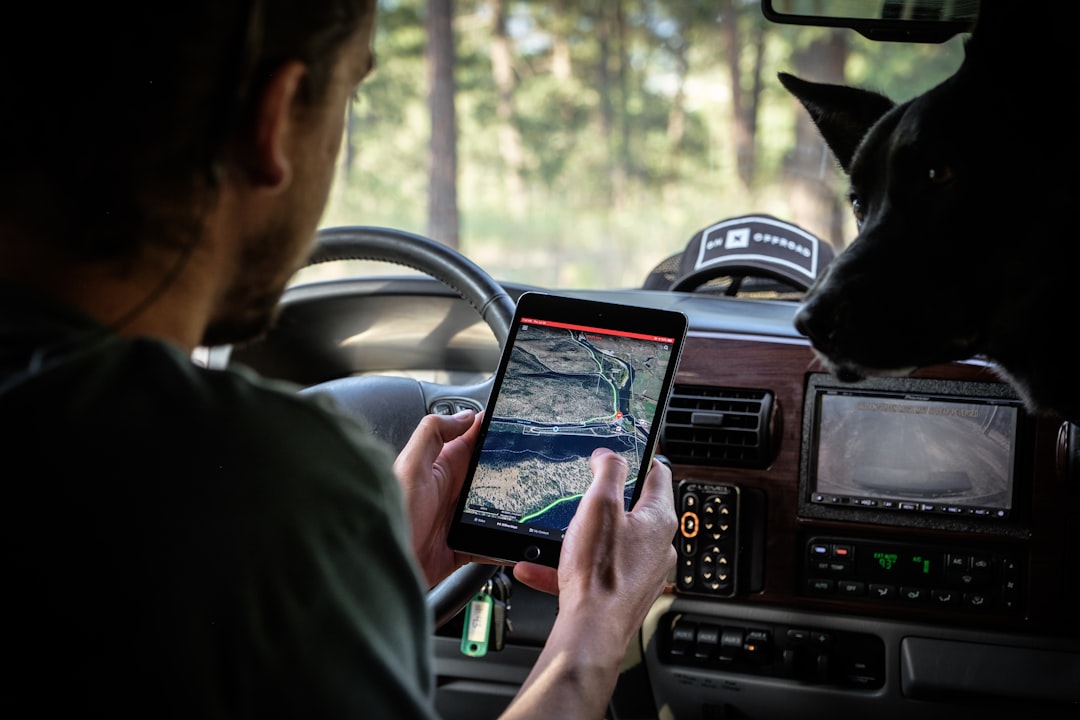
In high-risk industries such as construction and long-haul trucking, dashcams provide visual evidence in case of disputes or accidents. This protects both drivers and companies from false claims.
Cost Considerations and ROI
While implementing fleet management software requires investment in hardware and subscription fees, the long-term return on investment often outweighs initial costs.
Companies save money through:
- Reduced fuel consumption
- Lower insurance premiums
- Fewer accidents and liability claims
- Minimized vehicle downtime
- Improved productivity
Even small fleets can see measurable returns within months of adoption. The key is selecting a platform that aligns with operational goals and budget constraints.
Choosing the Right Fleet Management App
When evaluating fleet management solutions, companies should consider the following factors:
- Fleet size: Larger fleets may require enterprise-grade analytics.
- Industry regulations: Certain sectors demand compliance-specific tools.
- Integration capabilities: Compatibility with existing systems is essential.
- Ease of use: Intuitive dashboards reduce training time.
- Scalability: The system should grow with the business.
Conducting pilot tests and comparing features through free trials can help decision-makers find the best fit.
The Future of Fleet Monitoring
The evolution of fleet management apps continues at a rapid pace. Emerging technologies such as artificial intelligence, predictive analytics, and Internet of Things (IoT) integration are transforming fleet oversight.
Predictive maintenance tools can now anticipate mechanical issues before they occur. AI-assisted route optimization accounts for weather conditions, road closures, and seasonal traffic patterns. As electric vehicles become more common, fleet apps are also adapting to monitor battery health and charging station availability.
In the near future, real-time fleet monitoring will likely integrate even more automation and machine learning capabilities, offering businesses unprecedented levels of control and efficiency.
FAQ
1. What is a fleet management app?
A fleet management app is software that allows businesses to monitor and manage vehicles using GPS tracking, telematics data, and real-time analytics.
2. How does real-time vehicle tracking work?
GPS devices installed in vehicles transmit location and performance data to cloud-based platforms, which managers can access through mobile or desktop dashboards.
3. Are fleet management apps suitable for small businesses?
Yes. Many providers offer scalable solutions designed for small and medium-sized fleets, making the technology accessible and cost-effective.
4. Do these apps improve driver safety?
Yes. By monitoring driving behavior and providing coaching insights, fleet apps help reduce accidents and encourage safer practices.
5. What are the typical costs involved?
Costs usually include hardware installation and monthly subscription fees. Pricing varies based on features, fleet size, and level of support required.
6. Can fleet management apps reduce fuel consumption?
Absolutely. Real-time route optimization, idle monitoring, and driver behavior tracking all contribute to lower fuel usage.
Fleet management apps that enable real-time monitoring have become essential tools for modern transportation-based businesses. By improving visibility, enhancing safety, and optimizing operations, they empower organizations to operate more intelligently and competitively in an increasingly demanding marketplace.