
Smart home automation in 2026 feels less like the future and more like everyday magic. With a single app on your phone, you can control lights, locks, cameras, speakers, thermostats, and even your coffee maker. Apps like Google Home have evolved into powerful control hubs. They now manage over 100 devices without breaking a sweat. And the best part? They are easier to use than ever.
TLDR: Smart home automation apps in 2026 can control over 100 devices from one simple dashboard. They connect lights, security, entertainment, and appliances into one smooth system. Voice control and AI routines make everything automatic and personalized. If you want convenience, safety, and energy savings, these apps deliver it all in one place.
Let’s break it down in a fun and simple way.
What Is a Smart Home Automation App?
A smart home automation app is your digital remote control for your entire house. Instead of using 10 different apps for 10 different gadgets, you use just one.
Think of it as the brain of your smart home. It connects and coordinates everything.
- Smart lights
- Smart TVs
- Door locks
- Security cameras
- Thermostats
- Speakers
- Kitchen appliances
- Robot vacuums
In 2026, top apps can manage over 100 connected devices at the same time. Some even support 200 or more.
Apps Leading the Way in 2026
Google Home is still a major player. But it now shares the spotlight with other powerful apps.
Here are a few popular options:
- Google Home – Smooth Android integration and improved AI routines.
- Amazon Alexa App – Strong voice assistant skills and device compatibility.
- Apple Home – Perfect for Apple users who love privacy and simplicity.
- Samsung SmartThings – Excellent for multi-brand device control.
- Home Assistant – Advanced control for tech-savvy users.
All of these apps can now control more than 100 devices seamlessly. They support Matter protocol, which makes cross-brand compatibility much easier.
What Does “Seamless Control” Actually Mean?
Good question.
Seamless control means:
- No switching between apps.
- No connection drops.
- No confusing setup steps.
- Devices respond instantly.
Let’s say you say, “Good night.”
Here’s what happens in seconds:
- The lights turn off.
- The doors lock.
- The thermostat lowers.
- The security system arms.
- Bedroom lights dim softly.
That’s automation working perfectly.
AI Makes Everything Smarter in 2026
In earlier years, you had to create routines manually. Not anymore.
Now AI learns your habits.
If you usually turn on the coffee machine at 7:00 AM, the app learns that. If you dim the lights every Friday night, it remembers. After a few weeks, your home starts making suggestions.
“Would you like me to automate this?”
Just tap “Yes.” Done.
The system adapts to:
- Your sleep schedule
- Your work routine
- Weather conditions
- Energy pricing hours
Your house feels alive. But in a helpful way.
Control 100+ Devices Without Lag
You might wonder. How can one app handle so much?
Two words: Cloud computing.
Modern apps combine:
- Local network processing
- Cloud backups
- Edge AI chips
This means faster response times. Even if your internet blips, many actions still work locally.
And thanks to Matter and Thread technology, devices from different brands now “talk” to each other smoothly.
Voice Control Is Now Natural
In 2026, voice assistants feel more human.
You don’t need robotic commands like:
“Turn on living room lights brightness 50 percent.”
You can simply say:
“It’s too dark in here.”
The lights adjust.
Or:
“I’m watching a movie.”
The curtains close. Lights dim. TV powers on. Sound system activates.
The app understands context. It understands tone. And it aligns devices instantly.
Energy Savings Made Simple
Smart automation is not just cool. It saves money.
Apps help by:
- Turning off unused lights
- Shutting down idle electronics
- Optimizing heating and cooling
- Running appliances during off-peak hours
In 2026, energy dashboards show real-time usage. You see which device consumes the most power. You can adjust settings with one tap.
Some apps even suggest:
“Switch to eco mode and save $12 this month.”
Small changes. Big savings.
Security Gets a Big Upgrade
Home security is where automation really shines.
Using one app, you can:
- View live camera feeds
- Lock or unlock doors remotely
- Get motion alerts
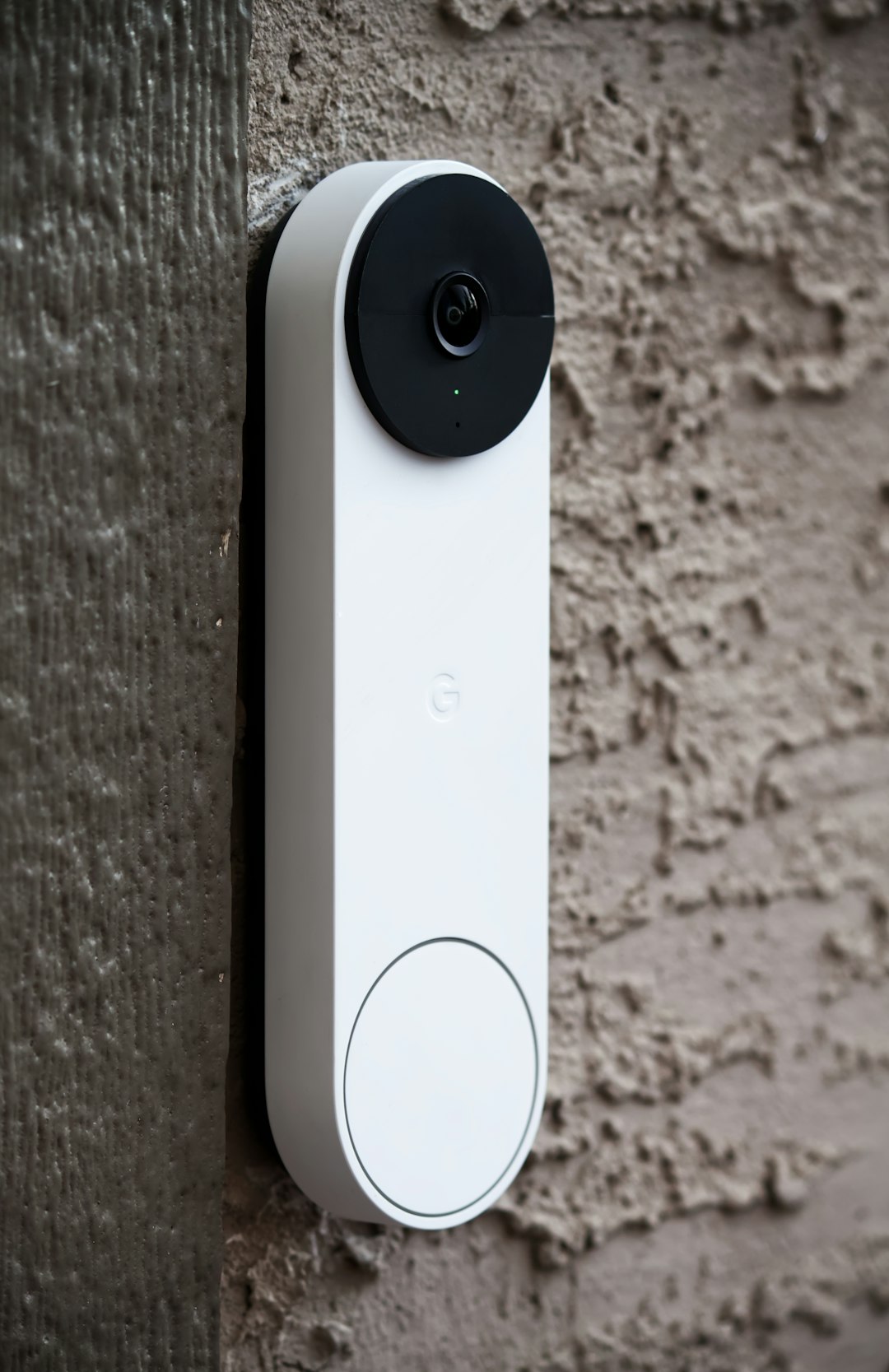
- Talk through doorbell cameras
In 2026, AI recognizes faces better than ever. It knows family members versus strangers. It can even detect unusual behavior patterns.
If something looks suspicious, you get an instant alert.
You can respond from anywhere in the world.
Multi-User Support for the Whole Family
Smart home apps now support multiple profiles easily.
Each family member can have:
- Custom voice recognition
- Personal routines
- Device access limits
- Privacy controls
Kids can control their bedroom lights. But not the security system.
Guests can use temporary digital keys.
Everything is flexible.
Easy Setup in 2026
Setup used to be hard. Not anymore.
Today, most devices connect in three steps:
- Plug it in.
- Scan the QR code.
- Assign it to a room.
That’s it.
The app automatically groups devices by room. It suggests routines. It checks compatibility.
You don’t need to be a tech expert.
Scenes and Automation Routines
Scenes are preset actions for multiple devices.
For example:
- Morning Scene: Lights on, blinds open, coffee brewing.
- Work Mode: Office lights on, notifications silenced, thermostat adjusted.
- Away Mode: Everything off, cameras on, doors locked.
You can trigger scenes by:
- Voice command
- Time of day
- Your phone’s location
- A sensor trigger
This is where controlling 100+ devices becomes powerful. One single trigger can command dozens of devices instantly.
Privacy and Data Control
People care about privacy more than ever.
Smart home apps in 2026 offer:
- Local data processing
- End-to-end encryption
- Guest access control
- Clear data management settings
You can delete voice history. You can limit cloud backups. You can see exactly what data is stored.
This transparency builds trust.
Integration Beyond the Home
Smart home apps now connect with cars and wearable devices.
For example:
- Your car pulls into the driveway. Garage opens automatically.
- Your smartwatch detects you’re waking up. Bedroom lights slowly brighten.
- You leave the house. GPS triggers Away Mode.
Your home reacts to your life in real time.
Why 2026 Feels Different
The biggest difference is reliability.
Earlier smart homes sometimes felt clunky. Devices disconnected. Commands failed.
Now they work smoothly.
Thanks to:
- Stronger WiFi 7 networks
- Better device standards
- Improved AI processing
- Unified compatibility with Matter
Controlling 100+ devices feels normal. Not overwhelming.
Is It Worth It?
If you enjoy convenience, yes.
If you want better security, yes.
If you want to save energy, absolutely.
Smart home automation apps like Google Home in 2026 are no longer just smart. They are intuitive. Fast. And reliable.
You don’t need five remotes. You don’t need ten apps. You don’t need to check if you locked the door.
You open one app.
You tap once.
Or you simply say the words.
Your home listens.
And it responds instantly.
That is the power of seamless smart home automation in 2026.