
Heating makes up a significant portion of household energy costs, especially in colder climates where systems run for months at a time. In recent years, smart thermostat apps like Nest have emerged as practical tools for homeowners who want to reduce heating bills without sacrificing comfort. These apps combine intelligent automation, real-time data, and remote access to optimize how and when your home is heated. When used correctly, they can lower heating expenses by up to 20%.
TLDR: Smart thermostat apps such as Nest use learning algorithms, sensors, and remote control features to reduce unnecessary heating and improve efficiency. By automatically adjusting temperatures based on your habits and occupancy, they eliminate energy waste. Many households report savings of up to 20% on heating costs. The technology is mature, reliable, and increasingly easy to integrate into modern homes.
Traditional thermostats require manual adjustments. If you forget to lower the temperature before leaving for work or going to bed, your heating system continues running at full output. Over weeks and months, these small inefficiencies accumulate into noticeably higher utility bills. Smart thermostat apps address this problem through automation, data analysis, and remote accessibility.
How Smart Thermostat Apps Work
At their core, smart thermostats connect your heating system to your home Wi-Fi network. Through a mobile app, you can monitor and control temperature settings from anywhere. But the true value goes beyond remote control.
Modern systems incorporate:
- Learning algorithms that study your daily routines
- Occupancy sensors that detect when rooms are empty
- Geofencing technology that adjusts heating based on your phone’s location
- Weather integration that adapts heating output to outdoor conditions
- Energy usage reports that show patterns and improvement areas

For example, after several days of manual adjustments, a Nest-like thermostat begins learning when you typically wake up, leave for work, return home, and go to sleep. It then creates an automatic schedule that optimizes energy use without requiring constant user input.
Where the 20% Savings Come From
Savings are not the result of a single dramatic adjustment. They come from a combination of small, intelligent corrections applied consistently over time.
1. Eliminating Heating in Empty Homes
Heating an empty house is one of the biggest sources of wasted energy. Smart thermostats detect absence through motion sensors or by tracking whether your smartphone has left a predefined radius. Once the system confirms no one is home, it switches to an energy-saving mode.
Over a full heating season, reducing heating by even a few degrees during work hours can significantly lower costs.
2. Nighttime Temperature Optimization
Studies have shown that lowering temperature while sleeping improves both energy efficiency and sleep quality. Smart thermostat apps automatically reduce heating overnight and restore comfort before you wake up.
3. Adaptive Weather Response
Traditional thermostats respond only to indoor temperature. In contrast, smart systems monitor outdoor forecasts. If a sunny afternoon is expected to naturally warm the house, the system may reduce heating in advance.
4. Behavioral Insights
Many apps provide detailed energy reports, showing:
- Daily runtime hours
- Comparisons with previous weeks
- Efficiency tips specific to your home
This transparency encourages better energy habits, reinforcing long-term savings.
Popular Smart Thermostat Apps Like Nest
While Nest helped popularize this category, several reputable alternatives offer comparable performance.
Ecobee
Ecobee thermostats include remote room sensors that measure occupancy and temperature in multiple areas. This helps eliminate uneven heating and prevents overheating unused rooms.
Honeywell Home
Honeywell’s smart systems focus on reliability and integration with HVAC infrastructure. Their apps allow scheduling, remote management, and energy monitoring similar to Nest.
Emerson Sensi
Sensi emphasizes straightforward installation and a user-friendly interface. It provides strong energy tracking tools and compatibility with most HVAC systems.
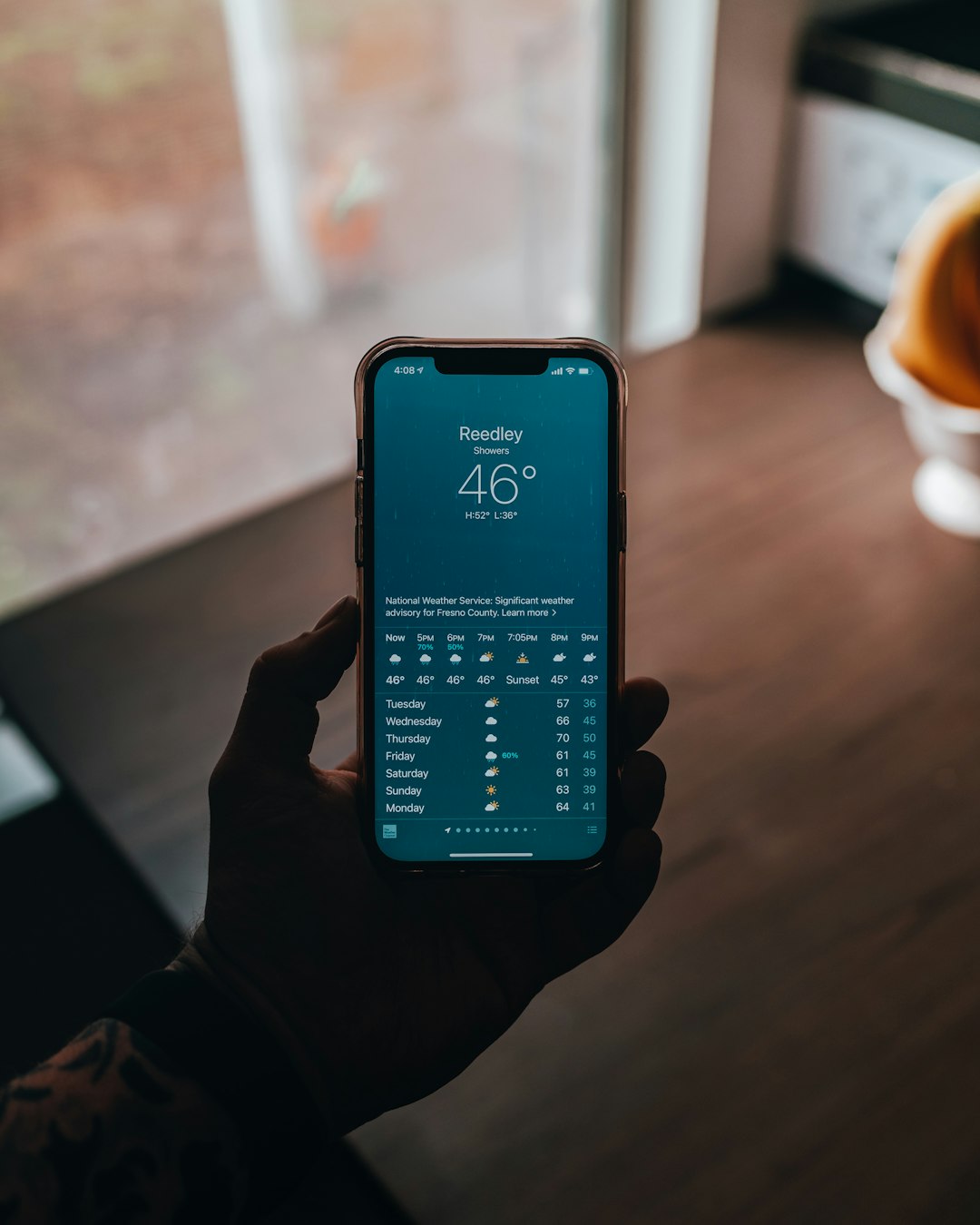
Each of these platforms supports Android and iOS devices, integrates with smart home ecosystems, and enables remote control from virtually anywhere.
Installation and Compatibility Considerations
Before purchasing a smart thermostat, homeowners should evaluate compatibility with their heating systems. Most modern gas, electric, and heat pump systems support smart integration, but older wiring setups may require an additional power adapter or professional installation.
Key factors to review include:
- Presence of a C-wire (common wire) for continuous power
- Compatibility with multi-stage heating systems
- Integration with existing smart home assistants
- Zoning system support, if applicable
Professional installation typically costs modestly compared to the long-term energy savings, though many users complete installation themselves in under an hour.
Data Security and Privacy
Because smart thermostats collect household behavior data, privacy is an understandable concern. Reputable providers encrypt data transmission and offer two-factor authentication for account security. Users can also control what information is shared and disable certain tracking features.
From a security perspective, keeping the thermostat’s firmware updated and using strong Wi-Fi passwords significantly reduces risk.
Real-World Cost Impact
The claim of up to 20% savings is supported by aggregated usage studies conducted by energy providers and manufacturers. The exact percentage varies based on:
- Climate severity
- Home insulation quality
- Heating fuel type
- User engagement with the app
For example, a household spending $1,500 annually on heating could potentially save $300 per year. Over five years, this offsets the initial thermostat cost multiple times over.

In regions with long winters, savings may be even more substantial due to extended heating seasons.
Additional Benefits Beyond Cost Savings
Although financial savings drive most purchasing decisions, smart thermostat apps provide several secondary advantages:
- Improved comfort consistency across rooms
- Reduced environmental impact through lower energy use
- Maintenance alerts when HVAC systems behave irregularly
- Remote access for vacation property management
Some systems even detect unusual temperature drops that may indicate a heating malfunction during winter, helping prevent frozen pipes and costly repairs.
Limitations to Consider
Smart thermostats are not a universal cure for high heating costs. Homes with poor insulation, drafty windows, or outdated furnaces may still experience inefficiencies. In such cases, insulation upgrades and HVAC servicing can amplify the impact of a smart thermostat.
Additionally, savings depend on allowing the system to automate adjustments. Constant manual overrides reduce efficiency gains.
Is a Smart Thermostat Worth It?
For most homeowners, the answer is yes. The upfront cost is relatively modest, installation is straightforward, and the learning curve is minimal. Over time, automated scheduling and occupancy detection translate into measurable financial savings and improved comfort control.
The combination of machine learning, real-time monitoring, and remote accessibility makes these systems powerful yet practical tools for managing household energy consumption.
As utility costs continue to rise and energy efficiency becomes a greater priority, smart thermostat apps like Nest are increasingly viewed not as luxury gadgets but as essential household infrastructure. When integrated properly and used consistently, they represent one of the simplest and most effective ways to cut heating bills by up to 20% without compromising daily comfort.