
Smart homes are no longer a luxury reserved for technology enthusiasts. Today, connected thermostats, lights, security cameras, smart plugs, and appliances are common in households around the world. However, as the number of devices grows, so does the complexity of managing them. Smart appliance control apps like SmartThings have emerged as essential tools that unify, automate, and simplify device management from a single interface.
TLDR: Smart appliance control apps such as SmartThings centralize the management of connected home devices into one secure and user-friendly platform. They allow automation, remote control, real-time monitoring, and integration across multiple brands. These apps improve convenience, energy efficiency, and home security while reducing the complexity of managing numerous devices. Choosing the right platform depends on compatibility, security standards, and long-term scalability.
The Rise of Connected Homes
The modern home is increasingly powered by Internet of Things (IoT) technology. From smart refrigerators that track groceries to intelligent lighting systems that adjust based on occupancy, devices now communicate not only with users but also with each other. While this innovation offers undeniable benefits, it also introduces fragmentation when each device relies on a separate application.
Smart appliance control apps solve this fragmentation by acting as a centralized hub. Rather than switching between multiple apps for lighting, climate control, and security, homeowners can manage everything from one interface. This centralization is critical as smart ecosystems become more complex.
What Are Smart Appliance Control Apps?
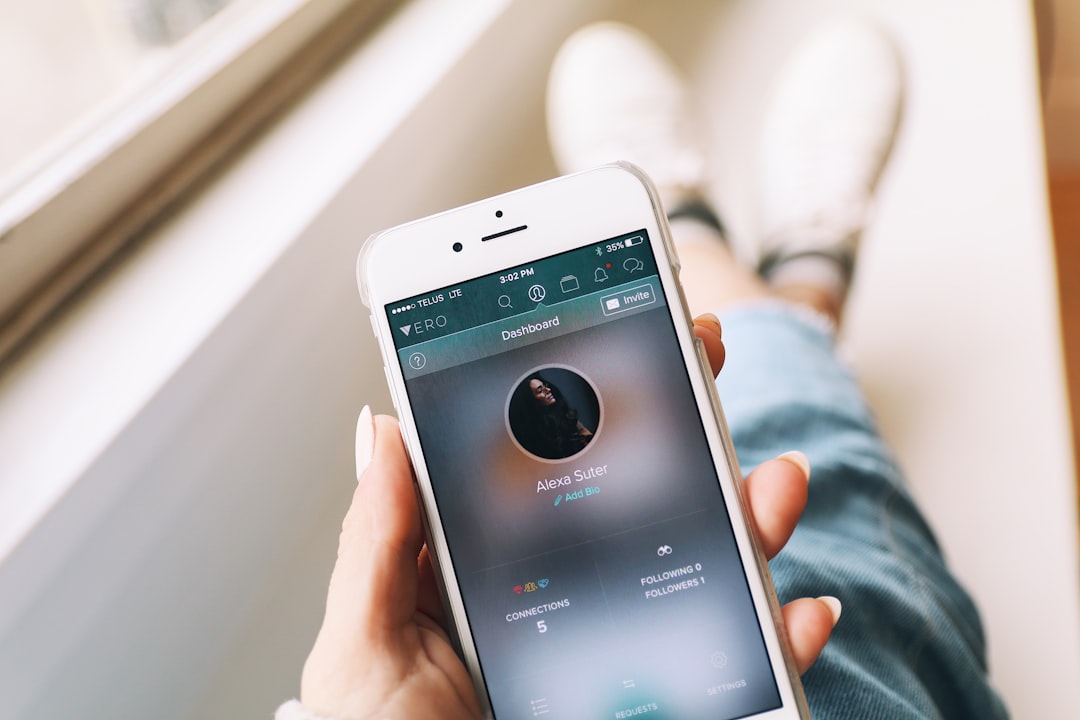
Smart appliance control apps are platforms designed to integrate and manage multiple connected devices. SmartThings is one of the most well-known examples, but there are several comparable platforms offering similar functionality. These apps act as intermediaries between the user and a wide network of IoT devices.
Core functions typically include:
- Remote Control: Turn devices on or off from anywhere.
- Automation: Create rules and schedules for devices to operate automatically.
- Monitoring: Receive real-time status updates and alerts.
- Integration: Connect devices from multiple brands into one ecosystem.
- Voice Assistant Compatibility: Sync with digital assistants for hands-free control.
These features reduce operational complexity and allow users to focus on convenience rather than technical management.
Key Benefits of Using Centralized Control Apps
1. Simplified Device Management
Without a centralized app, users often juggle multiple logins and interfaces. A unified platform eliminates this friction. Whether adjusting thermostat settings or checking a security camera, everything is available within a single dashboard.
2. Enhanced Automation and Routines
Automation is where smart appliance apps truly demonstrate value. Users can create conditional triggers such as:
- Lights turning off automatically when everyone leaves home.
- Thermostats adjusting when motion sensors detect occupancy.
- Coffee makers activating when a morning alarm goes off.
These automated sequences streamline daily routines and reduce manual interaction.
3. Improved Energy Efficiency
Connected devices, when properly managed, can significantly lower energy consumption. Smart apps provide visibility into usage patterns and enable intelligent scheduling. For example, heating systems can operate only when required, and smart plugs can cut standby power usage during inactive hours.
4. Increased Security and Real-Time Alerts
Security is a primary concern for homeowners. Control apps often integrate door locks, alarms, smoke detectors, and surveillance systems. Real-time notifications ensure that users are alerted immediately about unusual activity, water leaks, or temperature fluctuations.
Proactive monitoring enhances peace of mind and reduces response times during emergencies.
How SmartThings and Similar Platforms Work
Most smart appliance control apps operate through cloud infrastructure combined with local network communication. Devices connect through Wi-Fi, Zigbee, Z-Wave, Thread, or other communication protocols. The app acts as the control layer, translating user commands into device-specific instructions.
Many systems use a hub to facilitate seamless communication among devices using different protocols. Although some modern devices connect directly to Wi-Fi without a hub, dedicated hubs often improve reliability and response times.
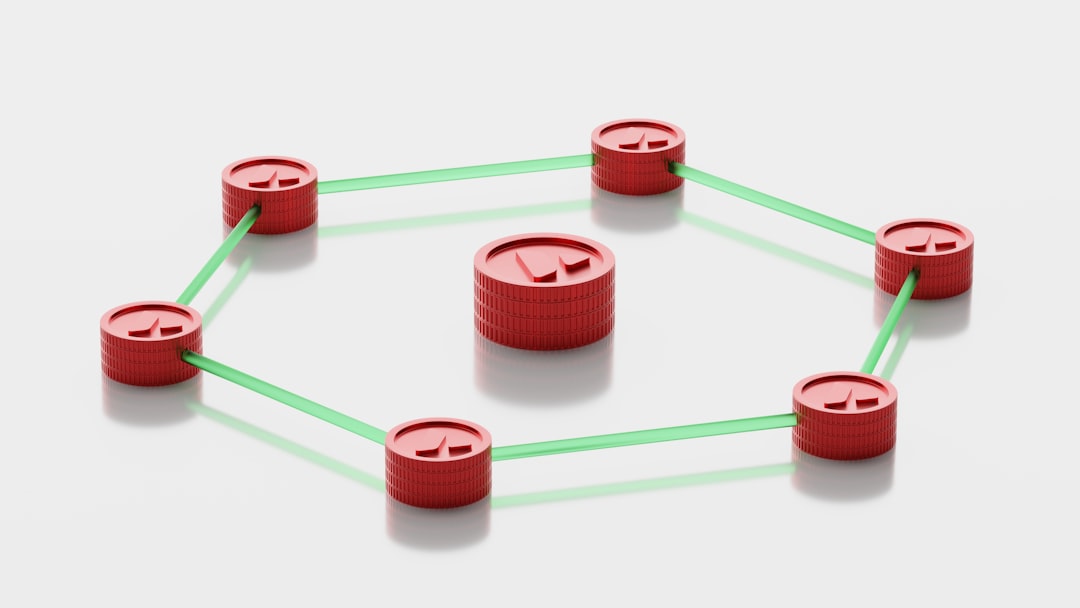
The typical workflow includes:
- Device installation and pairing within the app.
- Connection to a home network or hub.
- Configuration of rooms, groups, and device categories.
- Creation of automation rules and notifications.
- Ongoing monitoring and optimization.
This structured setup ensures long-term stability and scalability as more devices are added.
Cross-Brand Compatibility and Ecosystem Integration
One of the defining features of advanced control apps is cross-brand compatibility. Unlike manufacturer-specific apps, platforms like SmartThings aim to support a wide range of brands and device types. This flexibility protects consumers from vendor lock-in and extends the lifespan of their investment.
When evaluating compatibility, users should consider:
- Supported communication protocols (Zigbee, Z-Wave, Wi-Fi, Thread)
- Third-party device certifications
- Integration with voice assistants
- Ability to connect with external automation platforms
Open ecosystems tend to offer greater longevity and reduce the need for system replacements.
Security and Data Privacy Considerations
While smart appliance control apps provide convenience, they also introduce cybersecurity risks if not properly secured. Each connected device represents a potential entry point for unauthorized access. Reputable platforms address this risk through encryption, multi-factor authentication, and regular firmware updates.
Best practices for maintaining security include:
- Using strong, unique passwords.
- Enabling two-factor authentication whenever available.
- Keeping device firmware and apps updated.
- Segmenting smart devices on a separate Wi-Fi network.
Security should be viewed as an ongoing responsibility rather than a one-time setup.
User Experience and Interface Design
Ease of use plays a crucial role in adoption. A well-designed app organizes devices logically—often by room or category—providing intuitive controls and clear status indicators. Real-time feedback, customizable dashboards, and simple automation builders enhance day-to-day usability.
Many advanced apps now offer:
- Drag-and-drop automation creators.
- Visual scene builders.
- Energy usage analytics graphs.
- Location-based triggers using geofencing.
These interfaces balance sophistication with clarity, making powerful automation accessible even to non-technical users.
Scalability and Future-Proofing
Smart homes evolve over time. What begins with a few connected bulbs may expand to fully integrated climate control, security monitoring, and appliance management. Therefore, scalability is a primary factor when choosing a control platform.
Future-proof solutions typically:
- Support emerging standards such as Matter.
- Offer frequent software updates.
- Maintain active developer ecosystems.
- Allow integration with third-party automation APIs.
Platforms that commit to evolving standards ensure continued compatibility as IoT technology advances.
Commercial and Multi-Property Applications
While most commonly associated with residential settings, smart appliance control apps are increasingly used in small businesses and rental properties. Property managers can monitor energy usage, control access systems, and automate maintenance alerts across multiple locations.
In commercial environments, centralized oversight provides:
- Reduced operational costs.
- Improved building efficiency.
- Enhanced security monitoring.
- Standardized automation policies.
This expansion beyond residential use demonstrates the growing reliability and adaptability of these platforms.
Challenges and Limitations
Despite their advantages, smart control apps are not without challenges. Connectivity disruptions, compatibility inconsistencies, and firmware bugs can occasionally interfere with automation. Additionally, reliance on cloud services may create temporary service outages.
However, as platforms mature and standards become unified, reliability continues to improve. Investments in network stability and up-to-date hardware significantly reduce these risks.
Conclusion
Smart appliance control apps like SmartThings represent a foundational layer of modern connected living. By consolidating device management into a single, secure platform, they eliminate complexity while enhancing convenience, security, and energy efficiency. Their ability to integrate multiple brands and communication protocols ensures long-term flexibility for homeowners and businesses alike.
As smart devices continue to proliferate, centralized control will transition from optional enhancement to operational necessity. Selecting a reliable, secure, and scalable platform today lays the groundwork for a seamless and intelligent home environment tomorrow.