
In an era where digital interactions dominate nearly every aspect of daily life, consumer data has become one of the most valuable assets in the global economy. From online shopping and mobile banking to healthcare portals and smart devices, personal information constantly flows through digital channels. This rapid data exchange presents enormous opportunities for businesses—but it also creates significant risks. Cybercriminals, fraudsters, and malicious insiders continuously search for vulnerabilities. To counter these evolving threats, organizations increasingly rely on artificial intelligence (AI) to secure, monitor, and protect consumer information.
TLDR: Artificial intelligence plays a critical role in safeguarding consumer data by detecting threats in real time, preventing fraud, strengthening authentication, automating compliance, and responding quickly to breaches. AI systems analyze patterns, monitor anomalies, and adapt to emerging risks faster than traditional security methods. By combining automation with intelligent learning, organizations can reduce human error and proactively defend sensitive information. These five essential steps explain how AI transforms consumer data protection.
Protecting consumer data is no longer optional; it is a strategic necessity. Regulatory requirements, consumer expectations, and reputational risks make data security a top priority. The following five essential steps illustrate how AI strengthens data protection frameworks across industries.
1. Real-Time Threat Detection and Monitoring
Traditional security systems often rely on predefined rules and signature-based detection. While these methods can identify known threats, they struggle to detect new or evolving attack patterns. AI enhances threat detection by using machine learning algorithms to analyze vast volumes of data in real time.
AI-driven monitoring systems continuously scan network traffic, user behavior, login activity, and device interactions. When the system identifies unusual activity—such as an unfamiliar login location, rapid data downloads, or abnormal access times—it flags the behavior for review or automatically blocks access.

Unlike static systems, AI models adapt over time. They learn what “normal” behavior looks like for each individual user and detect subtle deviations that human analysts might overlook. This ability to evolve with emerging threats makes AI an essential defender against:
- Zero-day attacks
- Phishing attempts
- Malware intrusions
- Unauthorized data access
By reducing detection time from days to seconds, AI significantly limits potential damage and strengthens overall security posture.
2. Advanced Fraud Prevention
Fraud costs businesses billions each year and erodes public trust. AI combats this issue by analyzing behavioral and transactional data at scale, identifying patterns associated with fraudulent activity.
For example, financial institutions use AI to monitor transactions in real time. If a customer’s purchasing behavior suddenly changes—such as multiple high-value transactions in foreign countries within minutes—the AI system evaluates the likelihood of fraud and may temporarily freeze the account or prompt additional verification.
What distinguishes AI-based fraud detection is its predictive capability. Rather than responding solely to known fraud patterns, machine learning models evaluate multiple risk factors simultaneously, including:
- Purchase frequency and location
- Device fingerprint recognition
- Historical transaction behavior
- Login abnormalities
Over time, the system refines its accuracy, reducing false positives that inconvenience legitimate customers while increasing identification of suspicious activities. This balance enhances consumer trust without compromising convenience.
3. Intelligent Authentication and Access Control
Passwords alone are no longer sufficient to protect sensitive information. Weak credentials, password reuse, and phishing schemes create vulnerabilities that attackers exploit. AI strengthens authentication processes by introducing adaptive, risk-based verification methods.
Modern AI-powered authentication systems incorporate multiple data points, such as:
- Biometric identification (fingerprints, facial recognition, voice patterns)
- Behavioral biometrics (typing speed, mouse movement, touchscreen gestures)
- Geolocation data
- Device recognition
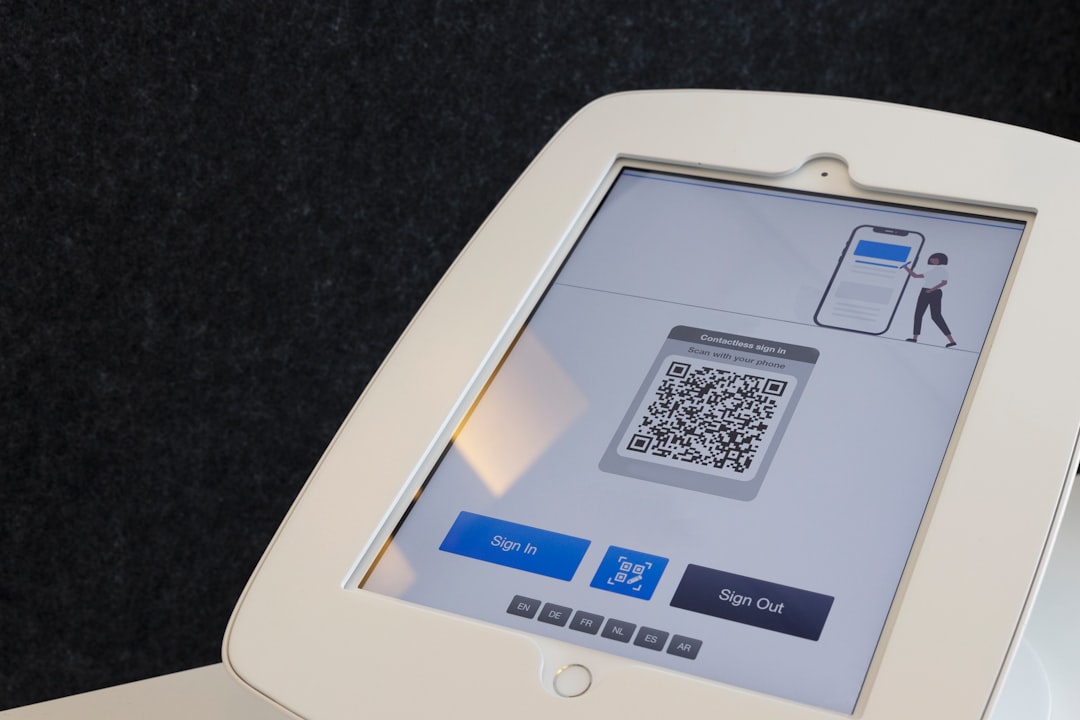
If an AI system detects behavior that deviates from a user’s established profile, it may require multi-factor authentication (MFA) or temporarily restrict access. For example, logging in from an unrecognized device in a different country may trigger additional verification steps.
By continuously evaluating risk levels rather than applying static rules, AI creates a dynamic security environment. This approach reduces unauthorized access while maintaining a seamless experience for legitimate users.
4. Automated Data Classification and Compliance Management
Compliance with data protection regulations such as GDPR, CCPA, and other privacy frameworks is a complex challenge. Organizations must understand what data they collect, where it is stored, how it is used, and who has access to it. Manual classification of large datasets is time-consuming and prone to human error.
AI streamlines this process by automatically categorizing sensitive consumer information. Machine learning systems can scan emails, databases, documents, and communication channels to label data based on sensitivity levels—such as personally identifiable information, financial data, or health records.
This automated classification supports:
- Efficient data retention policies
- Access control management
- Regulatory audit preparation
- Risk identification and mitigation
AI also assists in tracking data flow across systems, ensuring that consumer information is not improperly stored or shared. By documenting these processes, organizations can demonstrate compliance to regulators while minimizing the risk of penalties.
In addition, AI-based compliance tools can monitor regulatory updates and automatically flag areas where internal policies need adjustment. This proactive approach reduces legal exposure and reinforces consumer confidence in data handling practices.
5. Rapid Incident Response and Breach Mitigation
Even the most advanced security infrastructure cannot guarantee complete immunity from attacks. When breaches occur, the speed of response determines the extent of the damage. AI enhances incident response by automating containment and investigation processes.
AI-powered security systems can immediately isolate affected systems, revoke compromised credentials, and block suspicious IP addresses. At the same time, they collect forensic data to help security teams understand the breach’s origin and scope.
Image not found in postmetaThrough automated workflows, AI reduces dependence on manual intervention during critical moments. This capability ensures that:
- Breach detection happens within seconds.
- Containment measures are deployed instantly.
- Damage is minimized before widespread data exposure occurs.
Furthermore, AI systems learn from each incident. Every attempted attack strengthens future defensive mechanisms, creating a continuously improving security cycle.
The Human-AI Partnership in Data Protection
Although AI offers powerful capabilities, it does not replace human expertise. Instead, it amplifies it. Security analysts interpret AI-generated insights, refine detection models, and make strategic decisions based on evolving threats.
AI excels at processing massive volumes of data and identifying anomalies at a scale impossible for humans alone. However, ethical oversight, strategic judgment, and contextual analysis remain essential human responsibilities. Together, this hybrid model creates a resilient and adaptive data protection framework.
Organizations that successfully integrate AI into their cybersecurity strategies gain several competitive advantages:
- Enhanced consumer trust
- Reduced financial losses from breaches
- Improved operational efficiency
- Stronger regulatory compliance
As cyber threats continue to evolve in complexity, AI’s role will expand further. Advanced technologies such as deep learning, natural language processing, and predictive analytics promise even greater accuracy and responsiveness in safeguarding consumer information.
Conclusion
AI has transformed consumer data protection from a reactive process into a proactive defense strategy. Through real-time monitoring, fraud prevention, intelligent authentication, automated compliance management, and rapid breach response, AI strengthens every layer of digital security. Its ability to learn, adapt, and respond at scale makes it indispensable in today’s data-driven landscape.
As organizations continue to collect and process increasing amounts of personal information, integrating AI into cybersecurity frameworks is no longer a technological advantage—it is a necessity. By embracing these five essential steps, businesses can better safeguard consumer data while fostering transparency, accountability, and long-term trust.
Frequently Asked Questions (FAQ)
1. How does AI detect cyber threats faster than traditional systems?
AI uses machine learning algorithms to analyze real-time data streams and identify behavioral anomalies. Unlike traditional systems that rely on known threat signatures, AI can detect previously unseen attack patterns and adapt continuously.
2. Can AI completely prevent data breaches?
No system can guarantee complete prevention. However, AI significantly reduces the likelihood and impact of breaches by identifying threats early, automating responses, and strengthening security layers.
3. Is AI-based authentication more secure than passwords?
Yes. AI enhances authentication by incorporating biometrics, behavioral data, and contextual information, making it far more difficult for unauthorized users to gain access compared to password-only systems.
4. How does AI help with regulatory compliance?
AI automates data classification, monitors data usage, tracks regulatory updates, and generates audit documentation. This reduces the risk of non-compliance and associated penalties.
5. Does AI eliminate the need for cybersecurity professionals?
No. AI supports security professionals by automating repetitive tasks and providing insights. Human expertise remains essential for strategy, ethical oversight, and complex decision-making.