
Meet Sarah. She’s a freelance designer from Canada, and like many others, she uses Deel to get paid. Deel is a platform that helps companies hire and pay contractors all around the world. It’s fast, reliable, and easy to use. Until something strange happened.
TL;DR:
Deel’s automated system wrongly rejected some valid contractor IDs, causing payment delays. It was a glitch with the KYC (Know Your Customer) process. But don’t worry — the manual review workflow stepped in and fixed things. Let’s break down what happened and how Deel solved it.
What is KYC and Why Does It Matter?
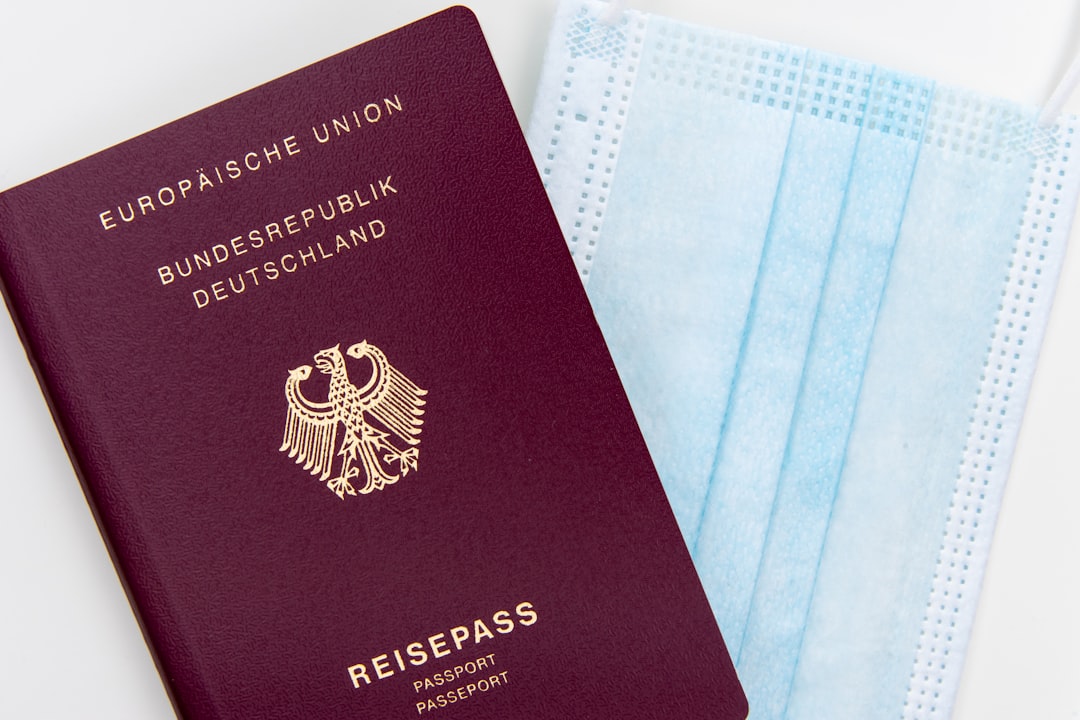
KYC stands for Know Your Customer. It’s a way platforms like Deel check that you are who you say you are. This usually means uploading a valid ID — like a passport or national card — and sometimes a selfie.
The goal? To keep users safe and to follow laws that prevent fraud and money laundering.
Usually, it all works smoothly. You upload your ID, the system verifies it, and you’re good to go.
[h2]When the Bots Got It Wrong[/h2]
But then, something happened. Contractors like Sarah started getting emails saying their IDs were rejected.
“Your document could not be verified at this time,” the message read.
That’s weird, because Sarah’s passport hadn’t changed. It was 100% valid. And she wasn’t alone.
- Some IDs were from countries with less common document formats.
- Others were just slightly blurry or had shadows.
- A few got blocked due to differences in naming order between their ID and their Deel profile.
The automated verification tool was being too picky. It’s like a robot saying “No” to your driver’s license because your hair looks different in the pic.
The Impact: Payments on Pause
Since IDs couldn’t be verified, contractor accounts became “unverified.” That caused a domino effect:
- Payments were put on hold.
- Contractors couldn’t withdraw their earnings.
- Clients got nervous, thinking something was wrong with their hires.
This wasn’t just annoying. For many freelancers around the world, it caused real problems. Rent was due. Bills were unpaid. Coffee budgets were slashed.
The Manual Review to the Rescue
As the complaints rolled in, Deel’s support team took notice. Fast.
They activated their manual KYC verification workflow. This meant real humans would now check your ID if the bot kicked it back.
Here’s how it worked:
- You submitted your ID as usual.
- If the system rejected it, you got a message offering manual review.
- You replied to that message or contacted support.
- A Deel team member reviewed your documents manually and verified your account within 24–48 hours.
In most cases, the rejected IDs were approved right away.
Sarah uploaded her Canadian passport again. A Deel agent reviewed it and boom — her status changed to “Verified” the next day. Funds released. Crisis averted.
Lessons Learned: Where AI Can Misfire
Deel wasn’t the first to face this issue. Many companies that depend on AI for ID verification run into similar glitches.
Even the best automation needs human backup sometimes. Especially when it deals with something as sensitive as money and identity.
Here’s what the incident showed:
- Automation is fast, but not perfect.
- Global users mean many different ID types.
- Always have a fallback plan that involves real people.
It prompted Deel to refine their process. They updated their ID recognition models. They improved the instructions for uploading documents. And most importantly, they made their support team easier to reach.
How Contractors Can Avoid the Hassle
Even though the manual fix is in place, it’s better if your ID passes on the first try. So here are a few quick tips:
- Use a high-resolution scan. Blurry photos raise red flags.
- Make sure lighting is even. No harsh shadows or glare.
- Match the name on your ID to your Deel account. That means no nicknames!
- Use official documents. No student ID cards or expired passports.
A little prep can save you a few days of hold-ups.
What Deel is Doing Now
Since this hiccup, Deel has taken a bunch of steps to improve.
- Better AI training: They’re feeding the system more ID samples to help it learn.
- Clearer guidance: They added tooltips and do’s & don’ts in the upload section.
- Faster manual queue: More agents on call to handle manual reviews quickly.
- User feedback loop: Now users can leave comments if they think a rejection was a mistake.
It’s a nice combo — smart robots and smarter humans working together.
Looking Ahead
This incident was a reminder that even slick platforms can stumble. But what matters is how they respond.
Deel didn’t hide it. They listened. They acted. And they made things better.
In the end, Sarah and her fellow freelancers got paid. The system got smarter. And the coffee budgets were restored.
So next time your app asks for your selfie and passport, give it your best shot. But know that if the AI says “nah,” there’s a nice human behind the scenes ready to help make things right.
Wrapping It Up
Tech platforms like Deel live on trust. And when trust is shaken, it takes effort to rebuild it.
Thanks to their quick move to a manual process, many contractors avoided major payment delays. It’s proof that even when machines trip up, humans can still save the day.
So here’s to a smarter, smoother future — with both AI and humans playing backup for your paycheck.