
In an era where data drives strategic decision-making, the accuracy of that data determines whether businesses gain a competitive edge or operate on flawed assumptions. Organizations that rely on web intelligence, competitive monitoring, ad verification, price tracking, and localized research often encounter a critical challenge: geographic inconsistency in data collection. Geo-targeted proxy network software addresses this problem by enabling precise, location-specific data gathering that mirrors real user behavior across regions. By simulating authentic connections from specific cities, countries, or even mobile carriers, these systems significantly enhance the reliability and relevance of collected data.
TLDR: Geo-targeted proxy network software improves data collection accuracy by enabling organizations to gather information from specific geographic locations as if they were physically present there. This ensures localized search results, ads, pricing, and content variations are captured correctly. By reducing bias, avoiding geo-restrictions, and mimicking real user behavior, businesses obtain cleaner, more representative datasets. The result is better analytics, stronger strategic decisions, and improved operational performance.
Data collected without geographic precision can be misleading. Search engine results differ by city, advertisements rotate by region, e-commerce prices fluctuate based on local demand, and streaming or web content often changes depending on a visitor’s IP address. Without access to a reliable system that replicates regional browsing conditions, organizations risk basing their strategies on incomplete or inaccurate information.
Understanding Geo-Targeted Proxy Networks
A geo-targeted proxy network consists of distributed IP addresses located across various countries, regions, and cities. When a user routes traffic through one of these proxies, their requests appear to originate from the chosen location. High-quality proxy networks utilize residential, mobile, or ISP-based IP addresses to closely replicate legitimate user connections.
The value of this technology lies in its ability to:
- Access region-specific content without physical presence.
- Collect localized search engine results accurately.
- Monitor advertisements as they appear to target audiences.
- Verify pricing and promotions across multiple markets.
- Ensure compliance monitoring in geographically restricted spaces.
By enabling precise targeting, businesses reduce the margin of error in data sampling and eliminate distortions caused by centralized or generic IP sources.
Why Geographic Accuracy Matters in Data Collection
Modern digital ecosystems are inherently dynamic. Algorithms customize outputs based on location, device type, browsing behavior, and demographic assumptions. Without geo-targeting capabilities, collected data may reflect the proxy server’s location rather than the intended market area.
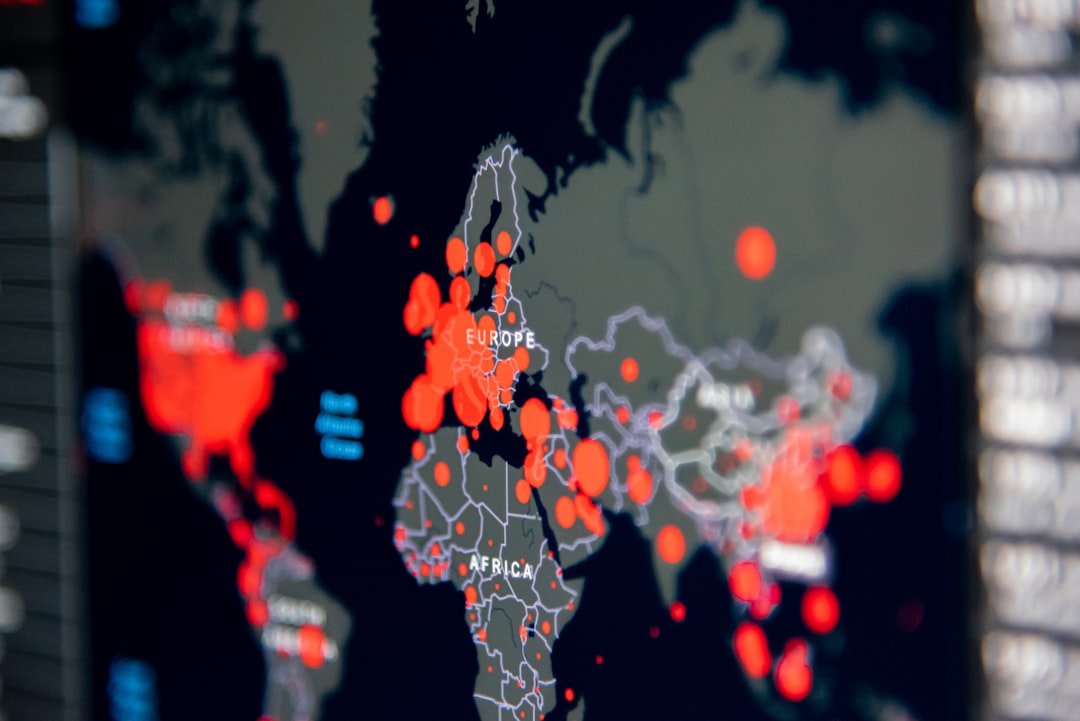
Consider the following examples:
- Search Engine Optimization (SEO): Rankings vary significantly by city. A business monitoring keyword performance in London will see different results than in Manchester or New York.
- E-Commerce Intelligence: Prices frequently adjust based on regional competition, seasonality, and local purchasing power.
- Ad Verification: Advertisements displayed to users in Berlin may differ entirely from those shown in Madrid.
- Travel and Hospitality Monitoring: Hotel rates can shift based on the visitor’s IP origin.
Without geographic precision, dataset integrity deteriorates. Assumptions drawn from such datasets can lead to misallocated marketing budgets, flawed pricing strategies, or inaccurate performance reporting.
Key Ways Geo-Targeted Proxy Software Enhances Accuracy
1. Localized Search Simulation
Search engines personalize results by region. Geo-targeted proxies allow analysts to retrieve search engine results pages (SERPs) exactly as users in specific cities would see them. This eliminates discrepancies caused by centralized data center IPs.
Impact: Rankings reflect true market presence rather than generalized or biased outputs.
2. Reduced Sampling Bias
Data collection efforts that rely on a narrow IP pool introduce location bias. Geo-targeted proxy networks diversify IP distribution across regions, reducing overrepresentation from a single geographic location.
Impact: Sampled data becomes statistically more representative of entire markets.
3. Access to Geo-Restricted Content
Many websites deliver region-specific content or restrict access entirely. Properly configured proxy software bypasses these restrictions in compliance with legal and ethical standards for research and monitoring.
Impact: Analysts capture full datasets rather than partial or blocked results.
4. Accurate Ad Verification
Ad campaigns are frequently geo-fenced. Without in-region IPs, companies cannot fully verify ad placement, detect fraud, or confirm campaign delivery.
Image not found in postmetaImpact: Marketing teams confirm that ads appear in correct regions and avoid wasted spend.
5. Enhanced Web Scraping Reliability
Robust geo-targeted networks minimize detection and blocking risks by rotating legitimate IPs. Reliable rotation prevents skewed datasets resulting from interrupted scraping processes.
Impact: Continuous and consistent data flows preserve dataset completeness.
Types of Proxies and Their Role in Accuracy
Different proxy types contribute to varying levels of authenticity and reliability in data collection.
| Proxy Type | Geographic Precision | Authenticity Level | Best Use Cases |
|---|---|---|---|
| Data Center Proxies | Country-level | Moderate | High-volume scraping, basic monitoring |
| Residential Proxies | City-level | High | SEO tracking, ad verification, e-commerce monitoring |
| Mobile Proxies | Carrier-level | Very High | Mobile ad validation, app testing |
| ISP Proxies | City-level | High | Long-session browsing, account management |
Residential and mobile proxies typically deliver the highest accuracy because they originate from real user devices, making detection less likely and geographic simulation more authentic.
Improving Data Integrity Through IP Rotation
IP rotation plays a central role in maintaining uninterrupted data collection. Proxy network software automatically rotates IP addresses at defined intervals or per request, reducing the risk of blocks and bans.
Without rotation:
- Websites may flag repeated requests from a single IP.
- Data collection sessions may terminate prematurely.
- Incomplete datasets compromise analytical reliability.
With intelligent geo-rotation:
- Each request can originate from a different city.
- Traffic patterns mimic organic user distribution.
- Large-scale scraping efforts remain stable.
This process ensures longitudinal studies—such as price tracking over weeks or months—maintain consistent methodology and data reliability.
Use Cases Across Industries
E-Commerce
Retailers monitor competitor pricing across regions to refine dynamic pricing strategies. Geo-targeted proxies allow them to capture real-time location-based price adjustments.
Digital Marketing
Agencies validate geo-fenced advertising campaigns and assess localized keyword performance. Accurate regional data optimizes media budgets.
Travel and Hospitality
Airlines, hotels, and booking platforms adjust rates dynamically depending on visitor origin. Proxies confirm pricing consistency and identify discrepancies.
Cybersecurity and Brand Protection
Security teams monitor regional phishing campaigns, counterfeit goods listings, and fraudulent advertisements.
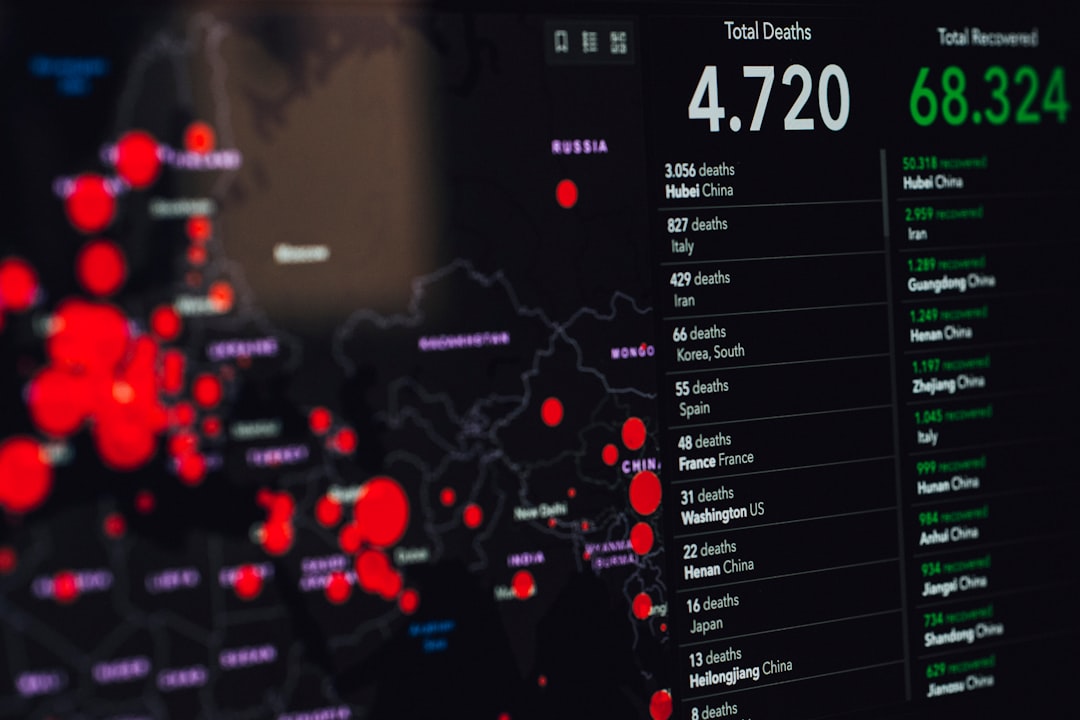
In each case, data accuracy directly affects operational decisions and revenue outcomes.
Minimizing Detection and Ensuring Ethical Use
Advanced geo-targeted proxy software incorporates features that support responsible and compliant data collection:
- Rate limiting to prevent server overload.
- User-agent rotation to simulate various devices.
- Session control for persistent browsing when required.
- Compliance filters aligned with regional regulations.
Ethical deployment reinforces credibility while preserving access continuity. Organizations should always respect website terms of service and applicable legal frameworks.
The Strategic Advantage of Accurate Geographic Data
Ultimately, geo-targeted proxy network software transforms how organizations interpret and act upon digital intelligence. The more closely collected data mirrors genuine user experiences, the more reliable subsequent analysis becomes.
Accurate geo-data enables:
- Better forecasting models.
- Precise competitive benchmarking.
- Optimized localization strategies.
- Improved compliance oversight.
- Higher confidence in executive decision-making.
In contrast, inaccurate geographic sampling introduces distortions that compound over time. Minor discrepancies in localized pricing or ranking data can escalate into major tactical missteps.
Conclusion
Trusted decision-making depends on trusted data. In a landscape where digital content, pricing, search rankings, and advertisements vary by location, generic data collection methods fall short. Geo-targeted proxy network software provides the infrastructure necessary to mirror real-world user experiences across regions with precision and reliability.
By enabling city-level targeting, authentic residential IP routing, intelligent rotation, and access to geo-restricted content, these systems substantially increase data collection accuracy. Organizations that invest in robust geo-targeting capabilities gain not merely broader visibility but sharper, more dependable insight. In competitive markets driven by rapid digital change, that improved accuracy is not a luxury—it is a strategic necessity.