
If you use both Windows and Mac, you’ve probably faced a frustrating moment: plugging in a drive formatted in NTFS and realizing your Mac just won’t let you write anything to it. Annoying, right? That’s where Tuxera Disk Manager steps in to save the day. It’s a lightweight app that bridges the gap between your Mac and NTFS drives, making data sharing smooth and simple.
TL;DR
Tuxera Disk Manager lets your Mac read and write to NTFS drives. It makes formatting and checking disks easy, right from a familiar interface. Once installed, your external drives play nice with both Mac and Windows. It’s user-friendly and works in the background—you’ll hardly notice it’s there.
Why you need Tuxera Disk Manager
By default, macOS can only read NTFS-formatted drives, not write to them. This is a huge pain if you often move large files between systems. Tuxera fixes that. It gives you full read/write access and adds useful features for managing your drives.
Here’s what you can do with it:
- Write to NTFS drives on Mac
- Format drives to NTFS, HFS+, or FAT
- Check drives for errors
- Repair corrupted NTFS drives
- Mount and unmount disks
Getting Started With Tuxera Disk Manager
Step 1: Download and install Tuxera NTFS for Mac from the official site. The Disk Manager comes bundled with it.
Step 2: After installation, restart your computer. Yes, it’s a bit old-school, but necessary.
Step 3: Plug in your NTFS-formatted drive. Open Tuxera Disk Manager from your Applications folder or from the menu bar.
Tip: If you don’t see it in your Applications, check the system preferences under “Tuxera NTFS”. That’s where the magic lives.

Using Tuxera Disk Manager: A Quick Tour
The interface is friendly, minimal, and has all your essential tools right up front. No rocket science here!
Here’s what each tab does:
- Mount: Shows all connected drives. From here, you can easily mount or unmount disks.
- Check: Run a quick scan on a selected drive to check for errors or corrupt sectors.
- Format: Format a drive to any of the supported formats—yes, including NTFS!
- Disk Info: Gives you geeky details like cluster size, file system version, and more.
It’s like Disk Utility, but dressed for a cocktail party—sleek and to the point.
Writing to an NTFS Drive
This is the real reason you downloaded Tuxera, right?
Once your drive is plugged in and mounted, you can use it just like any other disk. Drag, drop, rename, delete—whatever you want. No extra steps. No scary Terminal commands.
Want to migrate 10GB of videos? Go ahead. Move that entire photo library? Do it. Even Time Machine backups can live on a Tuxera-managed NTFS drive (though Apple still prefers HFS+ or APFS for Time Machine).
Formatting a Drive with Tuxera Disk Manager
This tool makes formatting super easy. Here’s how to do it:
- Open Tuxera Disk Manager.
- Go to the Format tab.
- Select the drive you want to format. (Careful! This wipes your data!)
- Choose your file format: NTFS, HFS+, or FAT.
- Click Format. Done!
NTFS is best for large files and cross-platform use. FAT is good for old devices. HFS+ is Apple’s native format—great for internal Mac drives.
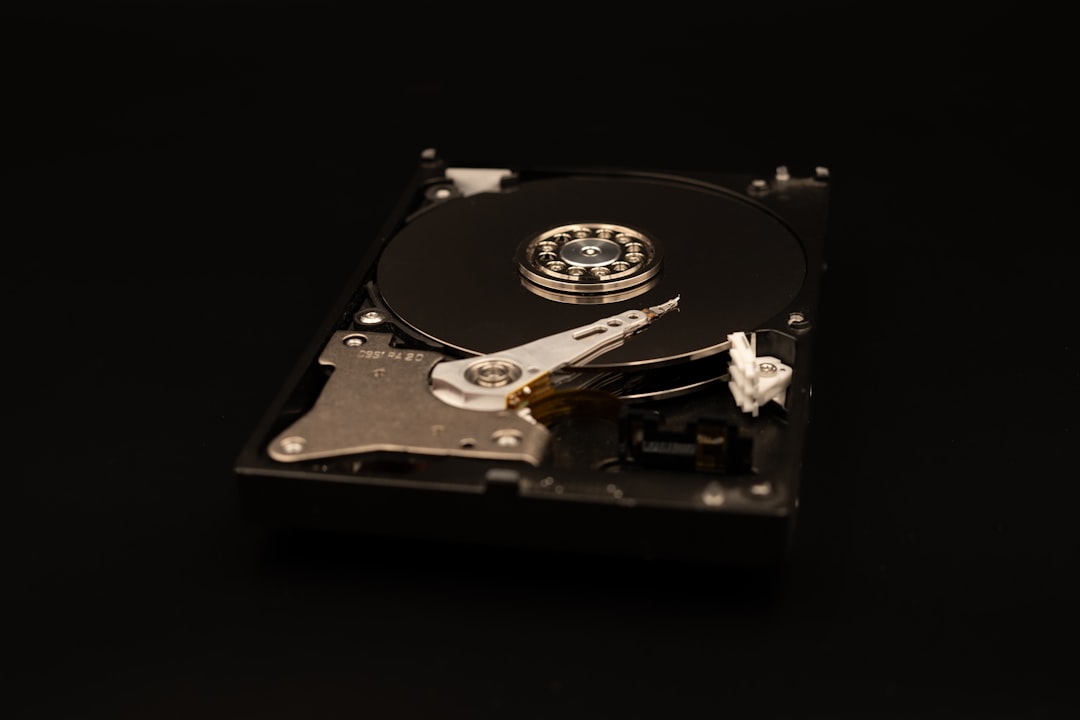
Checking and Repairing Drive Errors
Just like any car needs a tune-up, hard drives sometimes need a checkup. If your NTFS drive is acting weird—slow, not mounting, or being ignored—run the Check feature in Tuxera Disk Manager.
To do this:
- Open the Check tab.
- Select the drive in question.
- Click Check.
If errors are found, Tuxera will prompt you to fix them. This can save your data and extend your drive’s life.
Mounting and Unmounting Drives
Ever yanked out a USB drive without ejecting? Guilty. But here’s a safer way:
- Go to the Mount tab in Tuxera Disk Manager.
- Select the drive you want to unmount.
- Click Unmount. That’s it!
This ensures all files are written properly and helps prevent corruption.
Automatic Integration with Mac
Once installed, Tuxera runs in the background. It automatically mounts your NTFS drives with read/write access. There’s no need to launch the app every time. Your Mac just “gets it.”
Bonus: You can also see Tuxera in your system preferences and tweak settings like caching, file permissions, and more.
Performance Tips
Tuxera is already optimized, but here are some ways to make things smoother:
- Use USB 3.0 or Thunderbolt connections for faster transfers.
- Don’t overload your drive—leave at least 10% of space free.
- Use the Check feature regularly for drive health.
- Avoid moving files during macOS updates—it can confuse permissions.
Troubleshooting: What If Things Go Wrong?
While rare, you may run into issues. Don’t panic! Here are solutions to common problems:
- Drive not appearing? Try reconnecting and relaunch Tuxera Disk Manager.
- Can’t write files? Make sure the drive is formatted in NTFS and not just FAT or exFAT.
- App won’t open? Check your Gatekeeper settings in System Preferences > Security & Privacy.
- Slow transfers? Try restarting your Mac and use a different cable or port.
If all else fails, reinstall Tuxera from the official site and reboot.
Final Thoughts
Tuxera Disk Manager is a must-have tool for any Mac user who deals with NTFS drives. It’s lightweight, powerful, and makes life way easier. With just a few clicks, you can skip the usual “read-only” drama and transfer files freely between systems.
So whether you’re a student moving video projects, a designer sharing PSDs, or just someone backing up photos—Tuxera’s got your back.
Now Go Manage Those Drives Like a Pro!
Your Mac and those pesky NTFS drives are finally getting along. And you? You’re the wizard making it all work, behind the scenes and without breaking a sweat. 👏