
For years, Xiaomi has been known as a master of hardware efficiency—delivering high-spec smartphones, smart home devices, and electric vehicles at aggressive prices. But behind the scenes, the company was quietly building something far more disruptive: a stealth artificial intelligence initiative known internally as Hunter Alpha. While competitors raced to publicize every AI breakthrough, Xiaomi remained silent—until industry insiders realized that the company had embedded a sophisticated AI layer deep inside its ecosystem, influencing everything from camera processing to supply chain logistics.
TLDR: Xiaomi secretly developed Hunter Alpha, a powerful AI framework integrated across its devices and services without the usual marketing fanfare. Unlike competitors who spotlighted standalone AI tools, Xiaomi embedded intelligence at the infrastructure level. Hunter Alpha enhanced hardware performance, logistics, personalization, and automation before the market even recognized it as a unified system. When revealed, it redefined how AI could function inside a consumer electronics empire.
Hunter Alpha was never announced with a flashy keynote. There was no shiny logo reveal or developer conference countdown. Instead, clues began emerging in firmware updates, patent filings, and job postings referencing a connective AI intelligence layer. Analysts initially dismissed it as routine optimization. They were wrong.
The Philosophy Behind Hunter Alpha
While companies like Google, OpenAI, and Microsoft approached AI as a visible product—chatbots, copilots, and generative tools—Xiaomi approached it as invisible infrastructure. Hunter Alpha was designed to quietly optimize every vertical of the company’s operations:
- Smartphone photography enhancement
- Battery performance prediction
- Device-to-device ecosystem automation
- Factory process optimization
- Retail demand forecasting
- Voice command contextual learning
Rather than build a chatbot to compete directly in the AI arms race, Xiaomi trained domain-specific models aligned with its hardware DNA. The goal was not to impress headlines—it was to enhance margins and user retention.

Why the Industry Missed It
The tech world is conditioned to look for disruption in visible form: new apps, new platforms, new AI assistants. Hunter Alpha was different. It was:
- Embedded, not standalone
- Distributed, not centralized
- Cross-device, not platform-exclusive
- Hardware-aligned, not software-first
Competitors focused on LLM benchmarks and media coverage, while Xiaomi quietly integrated neural accelerators into chipsets and refined edge-computing models that didn’t require cloud latency.
When performance benchmarks started showing Xiaomi devices outperforming similarly specced rivals in battery optimization and camera processing, most observers credited incremental engineering. In reality, Hunter Alpha was dynamically adapting resource allocation in real time.
Core Components of Hunter Alpha
Hunter Alpha is not a single AI model but a modular framework composed of three core layers:
- Edge Intelligence Layer
Optimized for on-device learning, reducing cloud reliance and increasing privacy compliance. - Cloud Synchronization Layer
Aggregates anonymized data patterns across millions of devices to refine updates. - Operational Intelligence Layer
Applied to logistics, retail planning, and manufacturing.
This architecture allowed Xiaomi to extract intelligence not only from user interaction but also from production lines and consumer purchasing trends.
How Hunter Alpha Impacted Xiaomi’s Ecosystem
Xiaomi’s power lies in its ecosystem breadth. Unlike companies that focus solely on computing devices, Xiaomi operates in:
- Smartphones
- Tablets
- Wearables
- Smart TVs
- Home appliances
- IoT devices
- Electric vehicles
Hunter Alpha created behavioral bridges among these devices. For example:
- A user’s sleep data from a wearable influences morning lighting temperature.
- Car navigation patterns adjust calendar buffering on smartphones.
- Television viewing habits influence recommendation algorithms and targeted firmware tuning.
Each optimization appears subtle in isolation—but collectively, they increase user lock-in dramatically.
The Manufacturing Advantage
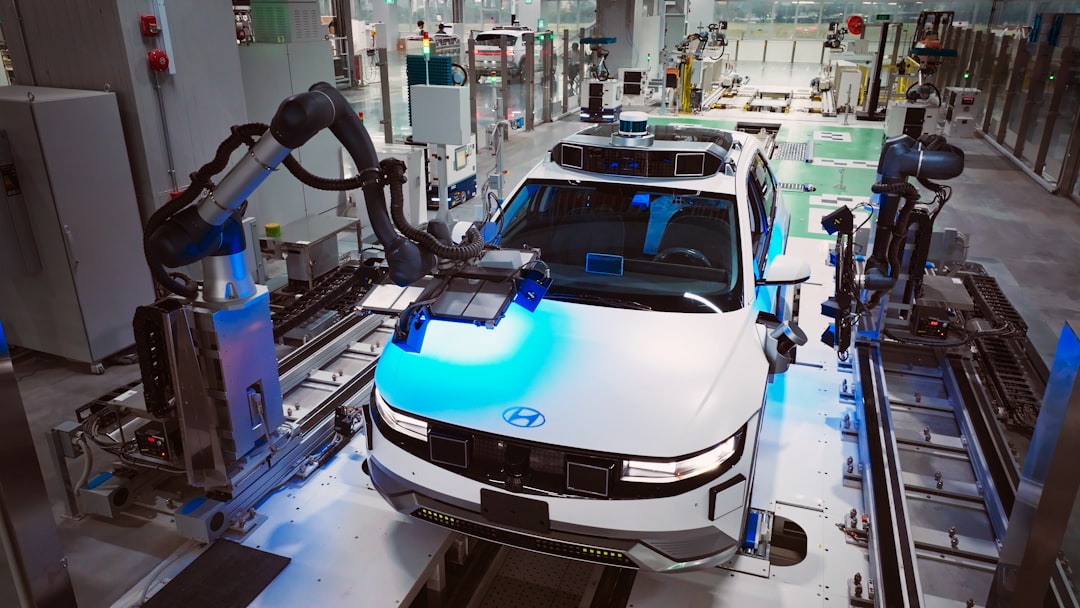
Perhaps Hunter Alpha’s most underestimated dimension was its impact on manufacturing. Xiaomi leveraged predictive modeling to:
- Forecast component shortages
- Adjust procurement dynamically
- Minimize warehouse overstock
- Optimize shipping routes
By embedding AI upstream instead of downstream, Xiaomi reduced operational costs while competitors focused primarily on consumer-facing AI experiences.
Industry analysts later discovered that Xiaomi’s inventory turnover improvements coincided almost perfectly with internal Hunter Alpha rollout milestones.
Comparison: Hunter Alpha vs. Public AI Platforms
| Feature | Hunter Alpha | Typical Public AI Assistants |
|---|---|---|
| Visibility | Embedded and mostly invisible | Front-facing applications |
| Primary Focus | Hardware and infrastructure optimization | Text generation and productivity |
| Deployment | Device-level integration across ecosystem | Cloud-based services |
| Strategic Impact | Operational efficiency and ecosystem retention | Brand image and subscription revenue |
| User Awareness | Low | High |
This contrast reveals why so many experts failed to recognize Hunter Alpha early. It wasn’t designed to trend—it was designed to compound.
The Electric Vehicle Surprise
When Xiaomi entered the EV market, analysts questioned whether a smartphone company could compete with automotive giants. That skepticism diminished quickly.
Hunter Alpha extended into vehicle systems, enabling:
- Adaptive energy management
- Context-aware cabin climate adjustment
- Predictive maintenance alerts
- Driver preference learning
Unlike traditional automotive AI systems that rely heavily on centralized servers, Xiaomi leveraged its existing mobile ecosystem to personalize vehicle behavior dynamically.
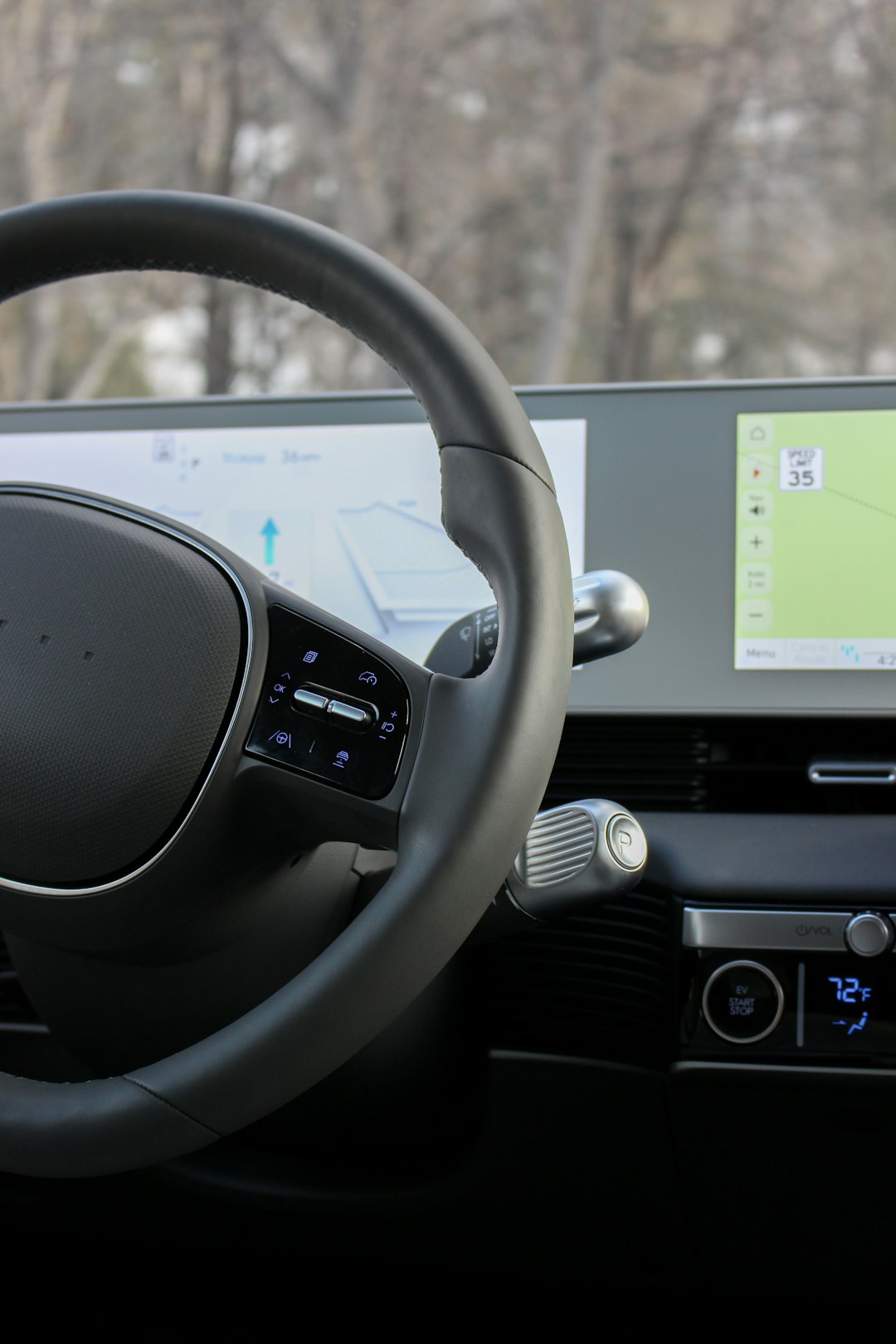
This tight coupling between smartphone and vehicle systems gave Xiaomi a structural advantage over legacy car manufacturers.
Privacy and Data Strategy
One reason Xiaomi avoided publicly branding Hunter Alpha early was regulatory caution. By emphasizing on-device processing and anonymized aggregation, the company reduced scrutiny compared to firms loudly harvesting cloud-based data.
The AI operated less like a single brain and more like a swarm intelligence model—processing locally and synchronizing improvements without centralizing raw personal content.
This architecture positioned Xiaomi favorably in markets with strict privacy frameworks.
Strategic Patience as a Competitive Weapon
Hunter Alpha illustrates a critical lesson in modern technology strategy: Not all disruption needs to be advertised.
While competing brands chased quarterly AI announcements to satisfy investors, Xiaomi prioritized:
- Infrastructure readiness
- Vertical integration
- Chip-level optimization
- Cross-device cohesion
When the broader AI wave intensified globally, Xiaomi was not scrambling to integrate generative features. It already had a mature intelligence substrate ready to layer additional capabilities on top.
Why Hunter Alpha Matters
The significance of Hunter Alpha extends beyond Xiaomi itself. It signals a shift in how AI might evolve:
- From flashy apps to ambient intelligence
- From standalone tools to embedded ecosystems
- From reactive responses to predictive orchestration
It also challenges Western narratives that equate AI leadership with media visibility. Sometimes, dominance looks quiet—until it becomes structural.
By the time competitors recognized Hunter Alpha’s reach, it was not merely software—it was woven into Xiaomi’s manufacturing, hardware engineering, distribution systems, and automotive platforms.
Xiaomi did not just build a chatbot. It built an invisible nervous system.
Conclusion
Hunter Alpha fooled the industry not because it was secret in a classified sense, but because it defied expectation. Observers expected noise. Xiaomi delivered silence. The company embedded intelligence at every layer of its ecosystem, strengthening margins, improving performance, and enhancing user stickiness—all without becoming the center of AI hype cycles.
In a landscape flooded with AI branding, Xiaomi demonstrated that the most powerful revolution might be the one users barely see—but consistently feel.
Frequently Asked Questions (FAQ)
1. What is Hunter Alpha?
Hunter Alpha is Xiaomi’s integrated AI framework that operates across devices, manufacturing systems, and logistics infrastructure. It is not a single application but a multi-layered intelligence architecture.
2. Is Hunter Alpha a chatbot like ChatGPT?
No. Unlike conversational AI tools, Hunter Alpha focuses primarily on ecosystem optimization, device-level intelligence, and operational efficiency rather than text-based interaction.
3. How does Hunter Alpha improve smartphones?
It enhances battery management, camera processing, adaptive performance scaling, and contextual personalization—all largely on-device.
4. Does Hunter Alpha raise privacy concerns?
Xiaomi designed it with edge computing principles, meaning much of the processing occurs locally rather than in centralized servers. Aggregated data is typically anonymized.
5. How does it impact Xiaomi’s electric vehicles?
Hunter Alpha personalizes driving experience, improves energy efficiency, predicts maintenance needs, and integrates vehicles with the user’s broader Xiaomi ecosystem.
6. Why didn’t Xiaomi market it heavily at first?
The strategy focused on building structural advantage rather than public hype. By embedding AI quietly, Xiaomi gained performance and operational benefits before competitors fully realized its scope.
7. Could other companies replicate this approach?
In theory, yes—but it requires deep vertical integration across hardware, software, manufacturing, and logistics. Few companies possess that ecosystem breadth.