
Language has a powerful way of expressing not just ideas but entire worldviews. In Japanese culture, certain phrases and words encapsulate societal dynamics that might be overlooked in other languages. One such term is jyokyo (or sometimes spelled joukyou). This word goes beyond its basic definition to illuminate evolving perceptions within Japanese society towards hierarchy, opportunity, and interpersonal dynamics. Though seemingly obscure, jyokyo has taken on new levels of relevance in the modern era.
TLDR:
Jyokyo is a Japanese term initially used to describe women who move from rural areas to live in Tokyo. Over time, it has evolved to reflect broader gender, class, and societal implications. Though often seen as superficial slang, its cultural context reveals deeper undercurrents of ambition, urban migration, and the pursuit of identity. Far from trivial, understanding jyokyo provides insight into Japan’s socio-cultural landscape.
What Does Jyokyo Mean?
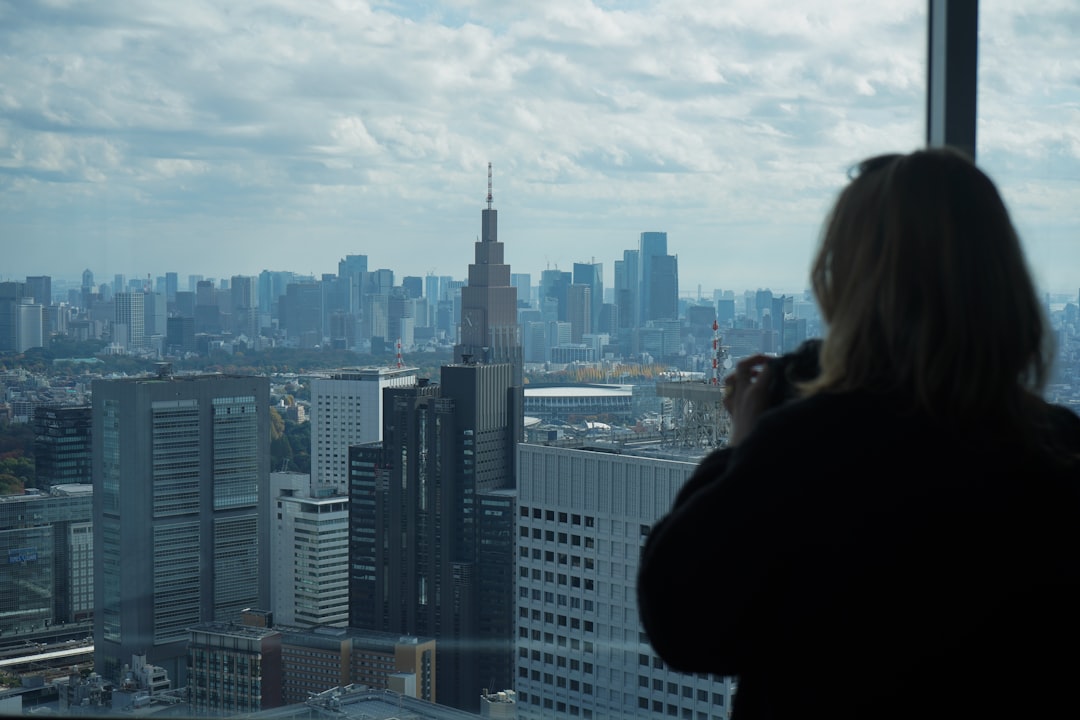
The word jyokyo (上京) literally translates to “going up to Tokyo.” In a traditional sense, it referred to the act of moving from a provincial area to the capital city. The kanji characters “上” (up) and “京” (capital) emphasize Tokyo’s position not just geographically, but socially. The phrase carries with it a subtle undertone of aspiration, signaling a move toward opportunity, ambition, and modernity.
However, jyokyo is more than just a literal migration from the countryside to the city. It has become a cultural shorthand—an archetype, even—for young women chasing dreams amid the bright lights of Tokyo. In the last two decades, media, literature, and pop culture have framed the jyokyo journey as a narrative of personal reinvention, often marked by both liberation and disillusionment.
Cultural Context Behind Jyokyo
To understand the essence of jyokyo, one must first understand the centrality of Tokyo in Japanese society. Tokyo isn’t just the political and economic hub of Japan—it’s a symbol of opportunity, much like New York or London in the Western context. For decades, people from rural areas have moved to Tokyo with the aspiration of finding success or escaping the perceived limitations of small-town life.
In post-war Japan, this migration boom was largely male-driven, focused on industrial jobs. But as Japan modernized, women also began seeking independence through work and education in the capital. The notion of a “jyokyo girl” started gaining traction in the 1990s, partly fueled by fashion magazines and television dramas that portrayed working women living alone in Tokyo as icons of chic freedom and resilience.
Yet, not all representations have been flattering. In some contexts, jyokyo carries dismissive or even mocking connotations. It can suggest a naive provincial girl easily seduced by the glamour of Tokyo, only to be disappointed by its challenges and harsh realities. In that sense, the word encapsulates Japan’s evolving—but often conflicting—views on gender roles, urbanization, and class mobility.
The Unexpected Importance of Jyokyo
While many may dismiss jyokyo as a colloquialism of minor importance, its implications are significant. The term acts as a mirror reflecting ongoing social shifts in Japan:
- Gender Dynamics: Jyokyo conversations often highlight the choices faced by women—between traditional roles versus modern ambitions, between family expectations and personal fulfillment.
- Urbanization: It symbolizes the rural-to-urban migration that has transformed Japan over the last century, helping reshape everything from housing patterns to job markets.
- Economic Pressures: Many people who move to Tokyo find that opportunity is tightly coupled with fierce competition, high costs of living, and social isolation. The glossy “jyokyo” dream doesn’t always match reality.
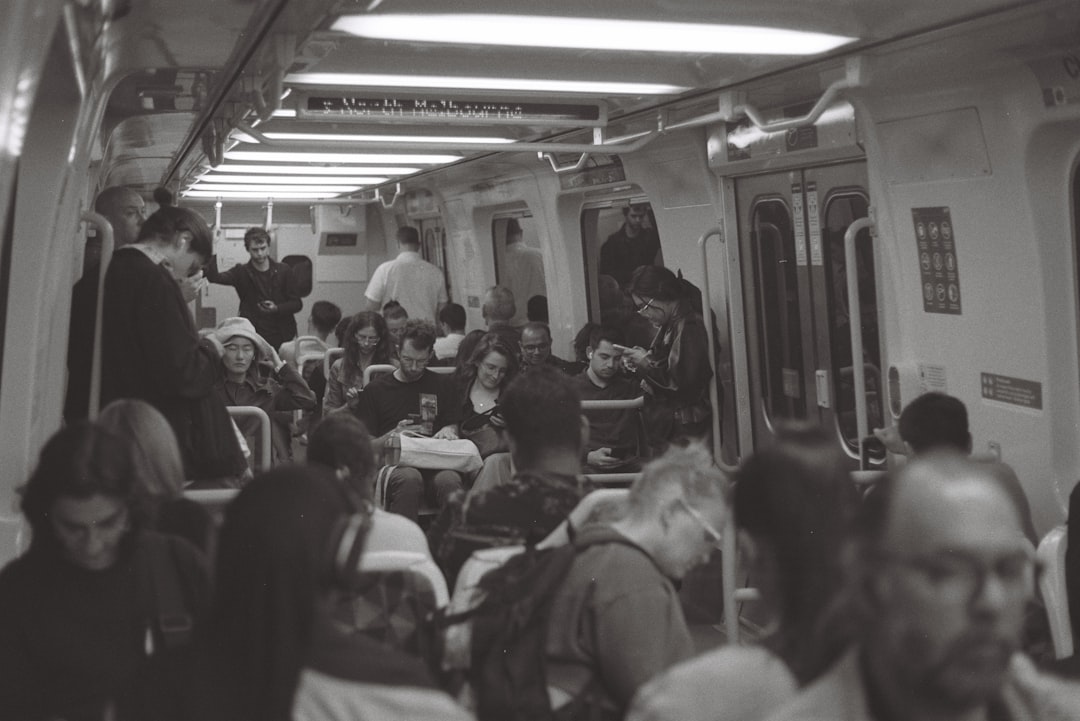
Moreover, the popularity of the term reveals how deeply personal narratives are entwined with social frameworks. Stories of jyokyo are never just about moving to a big city; they’re about daring to redefine identity in a culture that often cherishes conformity. These stories can be empowering, cautionary, or a bit of both. But in all cases, they contribute to a wider dialogue about what it means to find one’s place in contemporary Japan.
Jyokyo in Popular Culture
Television, literature, and cinema have all played significant roles in shaping how the public perceives jyokyo. Japanese dramas such as Tokyo Girls’ Diaries and films like Tokyo Tower have painted vivid portraits of women navigating friendships, careers, and romantic entanglements in the bustling capital.
Pop music also channels this theme. Lyrics often reference the emotional landscape of city life: loneliness, ambition, heartbreak, and resilience. These depictions are rarely sugar-coated, offering an emotional realism that resonates with many who’ve taken similar journeys themselves.
Criticism and Reassessment
In recent years, the term jyokyo has sparked debates on how we frame personal ambition, particularly among women. Critics argue that some media portrayals reinforce stereotypes and gloss over systemic issues such as job market constraints and gender inequality.
Yet, others view the evolving conversation around jyokyo as a healthy sign of cultural awareness. It’s no longer just a term denoting physical relocation—it’s also a symbol of change, aspiration, and sometimes struggle. As Japan continues to grapple with declining rural populations and the complexities of modern urban life, such terms gain new depths of meaning.
What Can We Learn from Jyokyo?
The concept of jyokyo allows for reflection on a broader scale. It encourages society to consider:
- What motivates people to leave their hometowns?
- How do urban spaces shape or challenge identity?
- Is the pursuit of independence inherently tied to geographic movement?
These questions extend beyond Japan and have global relevance in an era of increasing urban migration and cultural flux. As more people around the world seek to find themselves in busy urban centers, the resonance of a word like jyokyo becomes increasingly universal.
Frequently Asked Questions (FAQ)
- Q: What does “jyokyo” literally mean?
- Jyokyo (上京) literally means “going up to Tokyo,” referring to the act of moving to Japan’s capital city, often from rural areas.
- Q: Is the term used only for women?
- While jyokyo can apply to anyone moving to Tokyo, in modern contexts, especially within pop culture, it is frequently associated with young women pursuing new lives or careers in the city.
- Q: Is jyokyo viewed positively or negatively?
- It depends on context. Some see it as aspirational and empowering, while others use the term to mock those who may appear to chase city life without understanding its realities.
- Q: Does jyokyo have significance outside of Japan?
- Though it’s uniquely Japanese in origin, the themes of migration, ambition, and identity resonate worldwide, making it a valuable cultural concept for global audiences interested in social dynamics.
- Q: Are there other similar cultural terms in Japan?
- Yes, Japan has many cultural shorthand phrases that convey complex societal ideas, such as freeter (part-time worker) or parasite single (an adult living with parents), each reflecting specific social patterns.
In summary, jyokyo is more than a direction on a map—it is a compass pointing to the evolving dreams, challenges, and identities of those who dare to seek change. In this word, we see the bright lights of a bustling metropolis and the quiet courage of those who walk toward them.