
Tomodachi Life is more than a quirky life simulation game—it’s a masterclass in how playful design, personalization, and emotional engagement can shape digital experiences. From its charming characters to its unpredictable storytelling, the game offers valuable lessons for modern website creators seeking to captivate audiences in meaningful ways.
TLDR: Tomodachi Life demonstrates how personalization, surprise, and emotional storytelling can transform simple interactions into memorable experiences. Websites, like games, thrive when they make users feel invested and empowered. By borrowing concepts such as character-driven design, playful feedback systems, and evolving narratives, web designers can create immersive digital spaces. The magic lies in turning routine browsing into something that feels alive.
When Tomodachi Life debuted on the Nintendo 3DS, it carved out a unique space in gaming culture. Unlike action-packed titles or competitive multiplayer games, it focused on relationships, humorous interactions, and spontaneous storytelling. Players created Miis—digital avatars of themselves, friends, or celebrities—and watched them live out unscripted lives on a shared island. The game’s charm wasn’t in high-stakes drama but in the unpredictable, human feel of everyday events.
In many ways, this mirrors what users want from modern websites: not just information, but experience. Websites that “live” and adapt to their visitors stand out in a crowded digital world. Let’s explore how Tomodachi Life inspires innovative website design strategies.
1. Personalization: The Core of Emotional Engagement
At the heart of Tomodachi Life is personalization. Players craft unique Miis with distinct personalities, voices, and mannerisms. No two islands are the same. This sense of ownership fuels engagement and long-term involvement.
Modern websites can apply similar principles:
- Dynamic content tailored to user behavior
- Custom dashboards that evolve based on preferences
- Interactive onboarding processes
- Personalized recommendations
When users feel that a platform recognizes them, engagement increases dramatically. Just as a Mii remembers its relationships and experiences, a website can “remember” user interests and priorities.
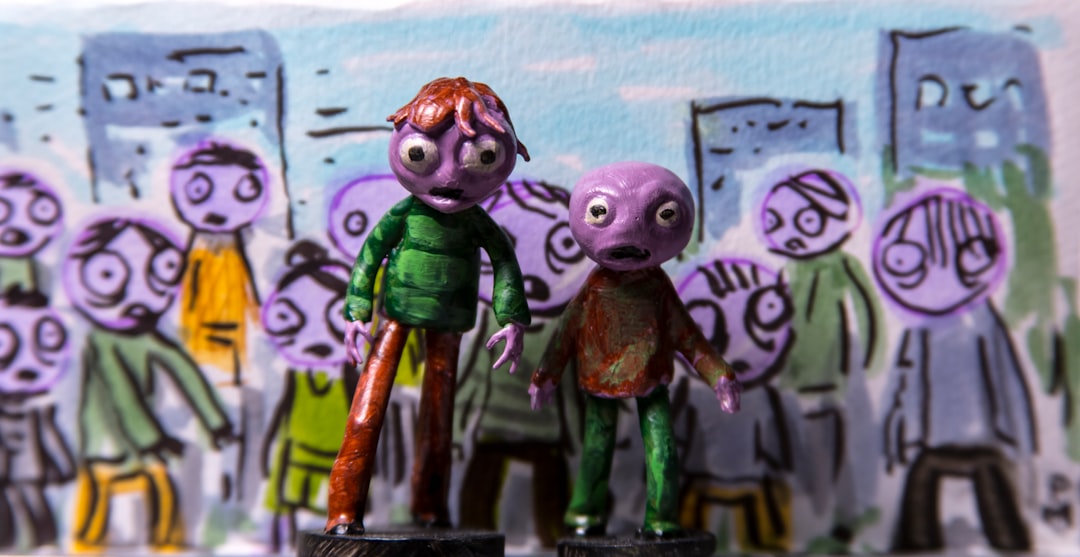
The psychological driver here is simple: people connect more deeply with content when they see themselves reflected in it. In gaming, this reflection comes through avatars. On websites, it can come through customization options, saved histories, or adaptive user interfaces.
2. The Power of Micro-Interactions
Tomodachi Life excels at micro-interactions—small events that feel delightful and unpredictable. A character might run up to share gossip, ask for food, or perform an impromptu song. These small interactions create emotional texture.
Web design increasingly recognizes the value of micro-interactions:
- Animated confirmation messages
- Hover animations
- Subtle sound effects
- Playful loading animations
Rather than static, lifeless pages, designers can create responsive environments that reward curiosity. Micro-interactions provide feedback that feels human, not mechanical. This fosters a sense of dialogue between user and interface.
Consider a subscription form. Instead of a simple “Success” message, imagine a clever animation or friendly note celebrating the action. These details echo Tomodachi Life’s tiny yet memorable moments.
3. Emergent Storytelling in Digital Spaces
One of the game’s most compelling aspects is emergent storytelling. Players don’t follow a linear plot; instead, drama unfolds organically. Friendships blossom. Conflicts arise. Surprising romances develop.
Websites can emulate this by:
- Showcasing user journeys
- Highlighting community contributions
- Displaying live updates or activity feeds
- Encouraging user-generated narratives
Online communities especially benefit from this approach. Social platforms, forums, and collaborative tools thrive when users feel part of an evolving story. The best digital environments are not static brochures—they are stages where stories unfold.

Even e-commerce platforms can incorporate subtle storytelling. Purchase histories, achievement badges, and loyalty milestones create continuity. Instead of isolated transactions, users experience a longer narrative arc.
4. Gamification Without Overcomplication
Tomodachi Life is gamified—but lightly. There are rewards, currency, unlockables, and hidden items. However, none of these systems overwhelm the core experience.
This offers a crucial lesson: gamification should enhance, not overshadow, the primary goal of a platform.
Effective gamification elements for websites include:
- Progress bars for course completion or onboarding
- Achievement badges for milestones
- Reward systems for consistent engagement
- Unlockable features based on participation
Overcomplicating these mechanics risks alienating users. The genius of Tomodachi Life lies in its simplicity. The systems feel organic—interwoven with everyday island life.
5. Visual Identity and Playful Aesthetic
The visual style of Tomodachi Life is bright, minimalist, and expressive. Characters are simple yet instantly recognizable. The island map is accessible and inviting.
Similarly, websites benefit from strong, cohesive visual identity:
- Consistent typography
- Clear color hierarchies
- Expressive yet simple iconography
- Whitespace that enhances readability
The game proves that realism is not mandatory for immersion. Stylization can create stronger emotional attachment. On websites, this translates into branding that feels distinctive and memorable rather than generic.

6. Comparison: Game-Inspired vs Traditional Website Design
| Feature | Traditional Website | Game-Inspired Website |
|---|---|---|
| Personalization | Limited customization | Adaptive, user-driven interface |
| User Engagement | Linear navigation | Interactive, evolving journey |
| Feedback | Basic confirmations | Playful micro-interactions |
| Storytelling | Static content pages | Dynamic, user-influenced narratives |
| Visual Identity | Conventional layouts | Distinctive, stylized design |
This comparison highlights the contrast. Traditional sites prioritize efficiency, while game-inspired websites prioritize experience. The goal is not to sacrifice usability, but to complement it with engagement.
7. Emotional Design: The Secret Ingredient
Why do players become attached to their Miis? Emotional design. Characters laugh, fight, sing, and dream. These exaggerated yet relatable behaviors create bonds.
Websites can tap into emotional design by:
- Using conversational language
- Incorporating human-centered storytelling
- Highlighting testimonials and real faces
- Designing empathy into user flows
Emotion builds loyalty. A user who feels understood is more likely to return.
Tomodachi Life thrives on emotional unpredictability. A failed proposal becomes a memorable story. On websites, even friction points—like an error page—can become opportunities for delight through creative messaging and reassurance.
8. Longevity Through Evolution
Unlike games with defined endings, Tomodachi Life encourages continuous engagement. Relationships shift over time. New scenarios unlock. The island evolves.
Websites should embrace a similar philosophy:
- Frequent content updates
- Seasonal themes
- Community spotlights
- Feature expansions
Stagnation leads to abandonment. Evolution fosters loyalty.
From Islands to Interfaces
The brilliance of Tomodachi Life lies in its ability to transform ordinary moments into memorable ones. It reimagines everyday life through a playful lens, proving that engagement does not require high drama. Instead, it requires attention to human connection.
For web designers and digital strategists, the lesson is clear: design for people, not just clicks. Borrowing from game design means prioritizing:
- Personal connection
- Interactive depth
- Visual charm
- Emotional resonance
Just as each player’s island becomes uniquely their own, each user’s digital journey can feel personalized, responsive, and alive.
Conclusion: Living the Digital Dream
Tomodachi Life demonstrates that technology becomes magical when it reflects humanity. Its island may be virtual, but the emotions it sparks are genuine. By applying its principles—personalization, micro-interactions, narrative evolution, and emotional design—web creators can craft experiences that feel less like software and more like living worlds.
In the end, the future of digital experience design may look less like a static webpage and more like a vibrant island: full of stories, surprises, and users who feel truly at home.