
Most of us expect work to be mentally demanding, but we rarely anticipate how physically draining it can become. Hours spent at a desk, focused on screens and deadlines, can slowly transform mild stiffness into persistent discomfort. What starts as a tight neck or sore wrist can eventually affect productivity, mood, and even long-term health. When desk tension begins to interfere with your workday, it is no longer just an annoyance—it is a signal that something needs to change.
TLDR: Desk tension builds gradually and often goes unnoticed until it starts disrupting focus, mood, and productivity. Poor posture, repetitive movements, and prolonged sitting are common causes. Small adjustments—like improving ergonomics, taking strategic breaks, and incorporating light mobility exercises—can dramatically reduce discomfort. Addressing tension early helps protect both your physical health and work performance.
Desk tension is not just about feeling stiff at the end of the day. It can manifest as headaches, shoulder pain, wrist strain, lower back discomfort, or even fatigue that lingers well beyond office hours. Understanding how and why this happens is the first step toward reclaiming comfort and efficiency at work.
How Desk Tension Develops
The human body was designed for movement, not prolonged stillness. Yet modern work often requires sitting for six to ten hours a day. When you remain in a fixed position—especially a less-than-ideal one—your muscles, tendons, and joints begin to compensate in unhealthy ways.
Common contributors to desk tension include:
- Poor posture: Slouching or craning your neck forward strains the spine and shoulders.
- Improper screen height: A monitor placed too low or too high can cause neck and eye strain.
- Repetitive movements: Typing and mouse use without proper wrist support can lead to tightness and inflammation.
- Prolonged sitting: Limited circulation affects muscles and energy levels.
- Stress: Mental tension often manifests physically, especially in the jaw, shoulders, and back.
Over time, this constant strain can shift from minor discomfort to chronic pain. You may find yourself adjusting positions frequently, rubbing your neck during meetings, or standing up simply to escape the stiffness.

Signs Desk Tension Is Affecting Your Workday
It is easy to normalize low-level discomfort. However, when tension starts affecting performance, the signs become harder to ignore.
Here are several red flags:
- Decreased concentration: Pain competes for your attention, making it harder to focus.
- Frequent headaches: Neck and upper back tension often radiates upward.
- Irritability: Physical discomfort can lower your patience and stress tolerance.
- Reduced productivity: Tasks take longer because you are distracted or fatigued.
- Sleep disruption: Persistent tension can make it difficult to rest properly at night.
If you recognize multiple symptoms, your desk setup and daily routines likely need adjustment. The good news is that small, intentional changes can produce significant improvements.
The Connection Between Posture and Productivity
Posture does more than protect your spine; it influences how you breathe, think, and even feel emotionally. Slouched positioning compresses the chest, limiting lung expansion. Shallow breathing reduces oxygen flow, which may contribute to fatigue and mental fog.
In contrast, an aligned posture—with ears over shoulders and shoulders over hips—supports better circulation and alertness. Research consistently shows that discomfort reduces cognitive efficiency. When the body is strained, the brain diverts energy to manage the stress response.
In other words, comfort is not a luxury at work—it is a performance strategy.
Practical Ergonomic Improvements
You do not need a complete office overhaul to reduce desk tension. Start with practical adjustments:
- Monitor height: The top of your screen should be at or slightly below eye level.
- Chair support: Use a chair with lumbar support or add a small cushion to maintain natural spinal curves.
- Feet placement: Keep feet flat on the floor or on a footrest.
- Keyboard alignment: Wrists should remain neutral, not bent upward or downward.
- Desk height: Elbows should rest comfortably at about a 90-degree angle.
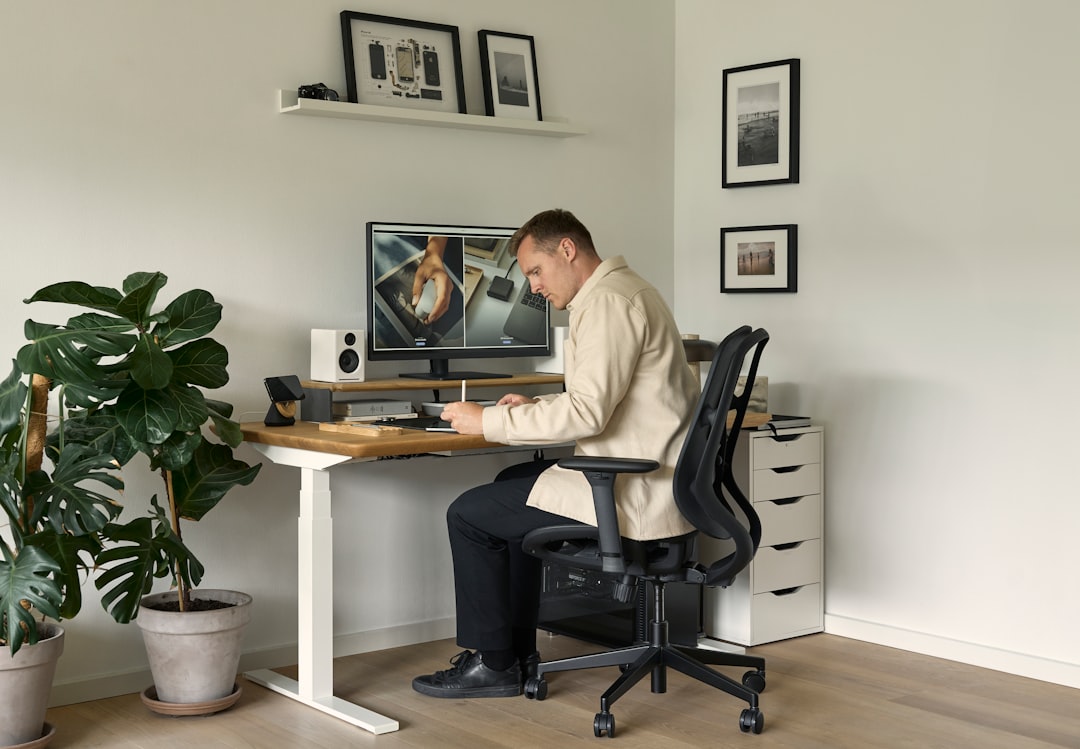
Even subtle changes—raising your monitor a few inches or adjusting your chair height—can drastically reduce strain.
The Power of Microbreaks
One of the most effective ways to combat desk tension is surprisingly simple: move more frequently. Microbreaks are short, intentional pauses lasting 30 seconds to three minutes. They help reset posture, improve circulation, and reduce muscle fatigue.
Try incorporating these microbreak ideas into your day:
- Neck rolls: Gently rotate your head side to side to relieve stiffness.
- Shoulder shrugs: Lift and release shoulders to release upper back tension.
- Standing stretches: Reach overhead and lengthen your spine.
- Short walks: Walk to refill water or circle your workspace.
- Eye breaks: Follow the 20-20-20 rule—every 20 minutes, look 20 feet away for 20 seconds.
Set reminders if necessary. What feels like a disruption often results in increased energy and sharper focus when you return to your task.
Desk Tension and Emotional Stress
Physical and emotional stress are deeply interconnected. Tight deadlines or high-pressure projects can unconsciously cause you to clench your jaw or raise your shoulders. Over time, this creates habitual tension patterns.
Mindfulness practices can help interrupt this cycle:
- Deep breathing exercises to regulate stress response.
- Progressive muscle relaxation to identify and release tight areas.
- Short mindfulness pauses before or after meetings.

By pairing ergonomic improvements with stress management, you address both the physical and psychological roots of desk tension.
When to Take Desk Tension Seriously
Occasional stiffness is common. However, seek professional guidance if you experience:
- Persistent pain lasting several weeks
- Numbness or tingling in hands or arms
- Severe headaches linked to neck pain
- Reduced range of motion
- Pain that interferes with daily activities beyond work
Consulting a medical professional, physical therapist, or ergonomic specialist can prevent minor issues from evolving into chronic injuries such as carpal tunnel syndrome or cervical strain.
Creating a Sustainable Workday Routine
Preventing desk tension is less about drastic changes and more about consistent habits. Build a routine that supports both your body and your productivity.
Consider adopting this simple daily framework:
- Morning setup: Adjust your chair and monitor before starting work.
- Hourly movement: Take at least one microbreak per hour.
- Midday reset: Spend five minutes stretching or walking after lunch.
- Post-work unwind: Engage in light physical activity, such as yoga or a walk.
This structure keeps tension from accumulating throughout the day and helps your body recover before the next one begins.
The Long-Term Payoff
When you proactively address desk tension, benefits extend beyond immediate comfort. You may notice:
- Improved concentration and mental clarity
- Greater energy throughout the day
- Fewer headaches and aches
- Better sleep quality
- Higher overall job satisfaction
Investing in your physical well-being is not separate from professional success. In fact, it directly supports it. A body free from constant strain allows your mind to operate at full capacity.
Final Thoughts
Desk tension is not an unavoidable consequence of modern work. It is often a predictable result of static posture, repetitive tasks, and unmanaged stress. The key is awareness—recognizing early warning signs before they escalate into larger problems.
By optimizing your workspace, integrating small movement breaks, and addressing stress patterns, you transform your desk from a source of strain into a place of sustainable productivity. When your body feels supported, your workday becomes smoother, more focused, and far less draining. Ultimately, reducing desk tension is not just about comfort—it is about protecting your long-term health and preserving the energy you need to do your best work every day.