
You may not have heard of the fruit called Žižole, but once you do, you’ll never forget it. This small, delightful fruit has a rich history, a unique taste, and a name that’s just fun to say! Known by many names around the world, Žižole is a hidden gem that deserves a spot in the fruit hall of fame.
TLDR: What Are Žižole All About?
Žižole are a small, sweet fruit also known as jujube or Chinese dates. They have a long history, dating back thousands of years. They’re packed with nutrients and used in many ways – fresh, dried, or in teas. Though they’re not widely known in the West, they’re a treat worth trying!
What Exactly Are Žižole?
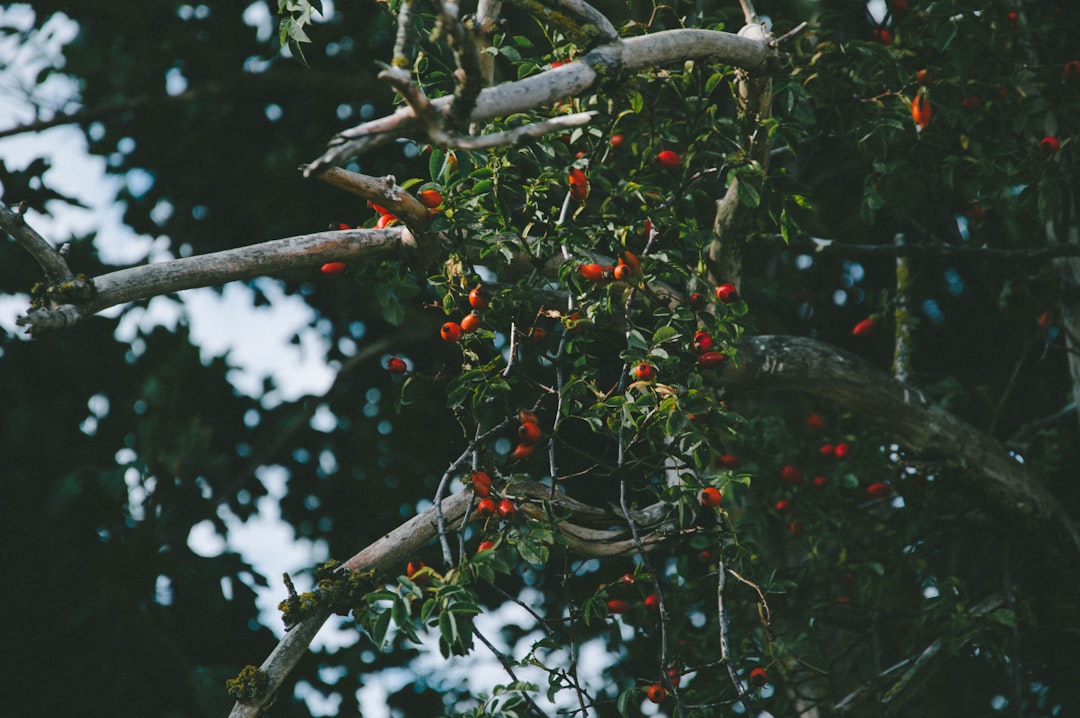
Žižole (pronounced ZHEE-zho-leh) are the fruit of the Ziziphus jujuba tree. These trees grow in warm, sunny places and produce fruit that looks a little like small apples or dates.
The taste? It’s sweet and crisp when fresh – a bit like an apple! When dried, they get chewy and even sweeter, like dates. That’s why they’re also called Chinese dates in some parts of the world.
A Fruit with a Long History
Žižole are not new. In fact, they’ve been around for over 4,000 years! This fruit first grew in southern Asia, especially in what is now China. There, it was valued for its sweetness and believed healing powers.
It spread through trade to the Middle East, Europe, and Africa. Today, you can find it growing in many parts of the world, especially where the climate is dry and warm.
Interesting Fact:
The ancient Chinese believed Žižole could help you live longer. They used them in teas, soups, and medicines.
The Many Names of Žižole
This fruit travels under many disguises! Depending on where you are, it might be called:
- Jujube – Common in English-speaking countries
- Dázao – In China
- Nabq – In Arabic countries
- Unab – In India and parts of Southeast Asia
- Žižole – In parts of the Balkans and Mediterranean
No matter the name, one thing stays the same – it’s delicious!
How Are Žižole Eaten?
There are lots of fun and tasty ways to enjoy this fruit. Here are a few:
- Fresh: Crisp and juicy, like biting into a mini apple
- Dried: Sweet and chewy, perfect for snacking
- Tea: Made from dried Žižole for a relaxing drink
- Syrups and candies: Especially popular in Asia
- Cooked in dishes: Used in soups and desserts for flavor
You can even pickle them in some cultures! That’s right – sweet and salty together.
Why Should You Eat Žižole?
Žižole aren’t just tasty – they’re super healthy too. Here’s why:
- High in Vitamin C: Great for your immune system
- Loads of antioxidants: Help fight off sickness
- Good for digestion: Packed with fiber
- Makes you feel calm: Used in traditional medicine to reduce stress
Some people even use Žižole as natural sleep aids. Imagine eating fruit for better dreams!
Žižole Around the World
Different countries have different ways of loving Žižole. Here’s a fun look:
- China: Used in herbal medicine and desserts
- Korea: Made into teas and eaten during festive holidays
- Italy & Croatia: Known as Žižole, popular as a traditional delicacy
- Middle East: Dried fruit snacks or added to dishes for flavor
Even in the United States, jujube trees are grown in some southern states. They’re still a bit of a hidden treasure there, though.
How Are They Grown?
Žižole trees are tough. They grow in dry conditions and don’t need a lot of water. Perfect for hot, sunny regions.
The trees are small with gnarly branches and shiny green leaves. In spring, they bloom with little yellow flowers. By late summer or fall, the fruit is ready to pick.
As they ripen, they turn from green to brown or even red. That’s when they’re sweetest!
Want to Grow Your Own?
You can! Just make sure you’ve got:
- Sunny weather
- Space for a small tree
- Well-drained soil
And a little patience. But don’t worry – once it starts growing, you’ll have plenty of snacks in no time.
Fun Facts About Žižole
- There are over 400 different types of jujube around the world!
- They’re one of the oldest cultivated fruits in human history.
- In ancient texts, Žižole were called the “fruit of life.”
- They’re often used in rituals and traditional festivals in Asia.
- Žižole can live for up to 100 years – talk about lasting legacy!
The Comeback of Žižole
In today’s world, people are looking for healthy, natural foods. That’s made Žižole popular again!
They’re showing up in health stores, farmer’s markets, and online shops. Dried jujubes are especially trendy as a healthy snack.
Chefs are even adding them to creative dishes – think jujube cookies or jujube-glazed chicken. Yum!
Image not found in postmetaWhere Can You Find Them?
If you’re curious to try Žižole, here are some places to check:
- Asian grocery stores
- Farmer’s markets (especially in Southern Europe)
- Online health food shops
- Traditional medicine stores (look for jujube)
Keep your eyes open, and you might be surprised where you spot them!
Final Thoughts
Žižole might be small, but they have a huge story. Sweet, ancient, and loved by many – they deserve more attention.
Whether you eat them fresh off a tree or sip them in tea, give Žižole a try. Your taste buds – and your body – will thank you!