
Robinhood entered the investing world with a bold promise: commission-free trading for everyone. Its sleek mobile interface and simple onboarding attracted millions of first-time investors, particularly younger users eager to participate in the stock market. Despite its popularity, however, many experienced investors and financial professionals hesitate to recommend the platform. The reasons range from concerns about trading practices to platform reliability and risk exposure.
TL;DR: While Robinhood makes investing accessible and affordable, critics argue that its business model, platform outages, limited research tools, and encouragement of high-risk trading strategies introduce significant risks. Payment for order flow and past regulatory fines have raised transparency concerns. Additionally, limited customer support and past system failures have shaken investor confidence. For many, these issues outweigh the benefits of commission-free trading.
1. Payment for Order Flow (PFOF) Concerns
One of the most frequently cited concerns is Robinhood’s reliance on payment for order flow (PFOF). Rather than charging traditional commissions, Robinhood earns revenue by routing trades through market makers who pay for the flow of customer orders.
While this practice is legal and common among brokers, critics argue it can create a conflict of interest. The concern is not necessarily that investors receive poor execution every time, but rather that the broker may prioritize its own revenue over securing the absolute best price for clients.
- Orders are routed to third-party market makers.
- The broker receives compensation for directing trades to those firms.
- Price improvement may not always be optimal compared to other brokers.
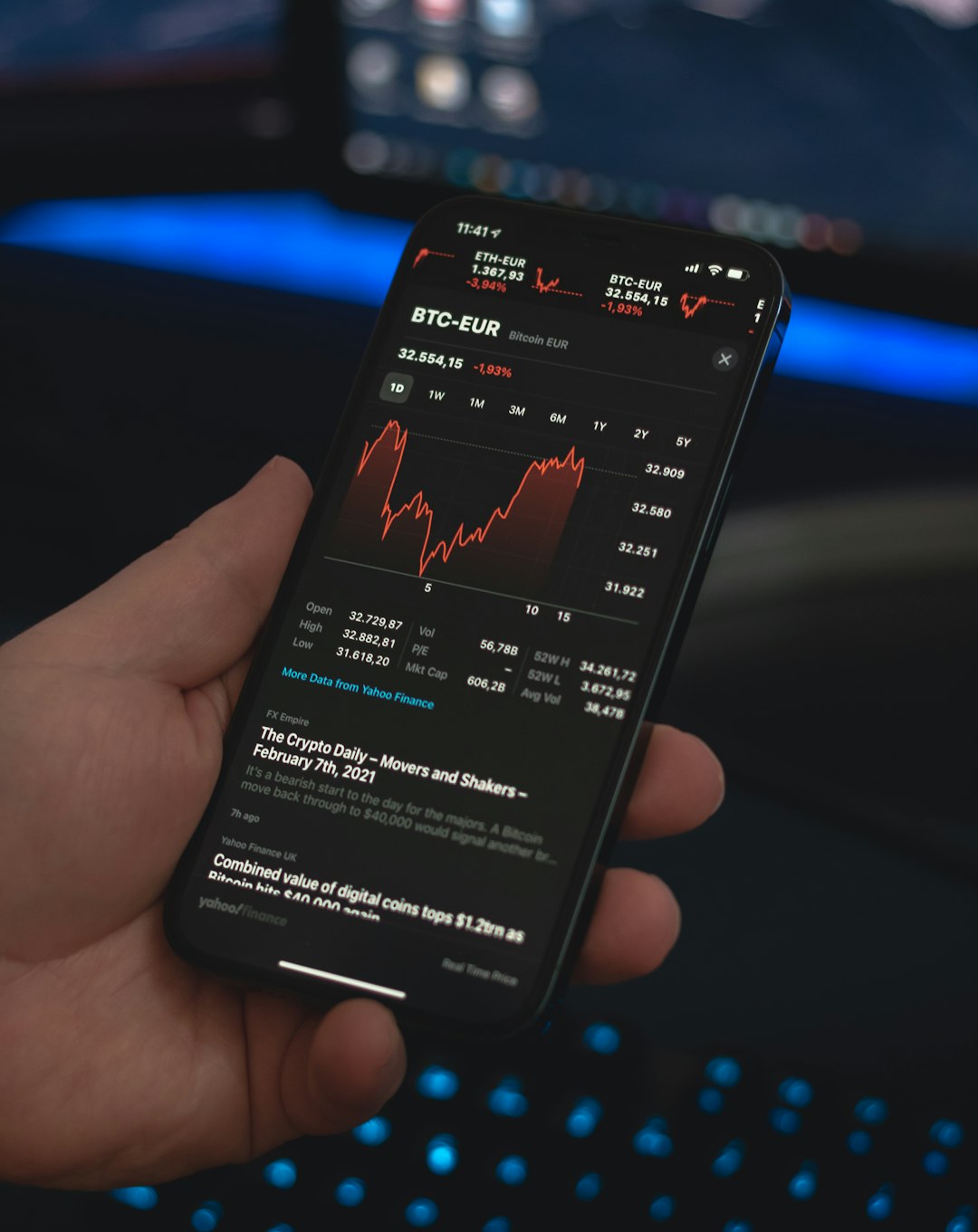
Although Robinhood discloses these practices, some investors feel more comfortable with brokers that emphasize direct market access or claim higher standards of price execution transparency.
2. Encouragement of High-Risk Trading
Robinhood’s interface has often been described as “gamified.” Bright visuals, easy-to-use options trading, and instant account approval processes have made complex financial instruments more accessible than ever before.
While accessibility can be positive, critics argue that the platform design may inadvertently encourage speculative and high-risk behavior, such as:
- Options trading by inexperienced investors
- Margin trading with borrowed money
- Day trading without adequate knowledge
- Investing heavily in volatile “meme stocks”
Options trading, in particular, can expose investors to significant losses if they do not fully understand the risks. Many traditional brokerages require more stringent qualification steps before granting access to advanced strategies.
For beginners, the concern is not simply volatility—but the potential for real financial harm due to insufficient education and risk awareness.
3. Limited Research and Educational Tools
Another factor influencing hesitation is Robinhood’s relatively limited suite of research tools compared to established brokerages.
Full-service or legacy discount brokers often provide:
- In-depth analyst reports
- Advanced screening tools
- Detailed company fundamentals
- Professional-grade charting
- Retirement planning calculators
Robinhood keeps its interface simple, which appeals to new investors. However, seasoned traders often find it lacking in depth. Without comprehensive research materials, users may make decisions based on incomplete information.
Simplicity is a strength—but it can also be a limitation.
4. Platform Outages and Technical Issues
Robinhood has faced criticism in the past for high-profile system outages during periods of extreme market volatility. During major market swings, some users found themselves unable to execute trades.
This raised concerns about:
- Reliability during critical trading windows
- Risk management systems
- Infrastructure scalability
For active traders, even a short outage can result in significant financial consequences. While the company has since invested in improving its infrastructure, the earlier disruptions damaged trust among some investors.
5. Customer Support Criticism
Historically, Robinhood operated without traditional phone-based support, relying primarily on in-app messaging and email assistance. Although the company has expanded customer support options in recent years, its reputation for slow response times remains a point of concern.
In high-stakes financial situations—such as account lockouts, unauthorized trades, or fund transfer delays—investors often prefer immediate assistance. Established brokers typically offer:
- 24/7 phone support
- Dedicated financial advisors
- In-person branches
The absence of personalized support makes some investors hesitant to trust Robinhood with larger account balances.
6. Regulatory Scrutiny and Fines
Robinhood has faced regulatory investigations and fines over the years related to disclosures, options trading approvals, and system outages. While fines are not uncommon in the financial industry, they can influence public perception.
Regulatory actions may raise questions such as:
- Were users fully informed about trade execution practices?
- Were risk disclosures sufficiently clear?
- Were internal compliance controls robust enough?
Although the company has taken steps to address past shortcomings, some investors prefer platforms with longer track records of regulatory stability.
7. The “Meme Stock” Controversy
Robinhood became widely associated with the “meme stock” phenomenon, notably during the GameStop trading surge. The platform temporarily restricted certain trades due to clearinghouse collateral requirements.

This move sparked widespread backlash and accusations of favoritism toward institutional investors. While clearing requirements were cited as the operational necessity, many retail investors felt blindsided.
The event left a lasting impact on the platform’s reputation. For some investors, trust—once shaken—is difficult to restore.
8. Margin and Leverage Risks
Robinhood offers margin trading through its subscription service. Margin allows users to borrow money to invest, potentially amplifying gains—but also magnifying losses.
Risks include:
- Margin calls requiring additional deposits
- Forced liquidation of assets
- Losses exceeding initial investment
Inexperienced investors who misunderstand leverage can face rapid financial setbacks. Critics argue that easy access to margin may not be suitable for beginners.
9. Behavioral Psychology and App Design
The design of any financial app influences user behavior. Robinhood has been praised for its intuitive design, but some analysts suggest that frictionless investing can remove important psychological “speed bumps.”
Traditional brokerages often require multiple confirmations before executing complex trades. By contrast, a streamlined design may reduce hesitation and increase impulsive trading.
When investing feels effortless, the seriousness of financial risk may feel diminished.
10. Who Might Still Benefit from Robinhood?
Despite criticisms, Robinhood may still suit certain investors, including:
- Beginners starting with small dollar amounts
- Long-term investors buying and holding ETFs
- Individuals seeking commission-free trades
- Users prioritizing mobile-first simplicity
No brokerage is universally perfect. The decision ultimately depends on an investor’s goals, experience, and risk tolerance.
Frequently Asked Questions (FAQ)
1. Is Robinhood safe to use?
Robinhood is regulated by financial authorities and offers standard protections such as SIPC coverage. However, “safe” depends on how the platform is used. High-risk strategies can lead to significant losses regardless of broker safeguards.
2. Why do some investors distrust payment for order flow?
Some believe it creates a potential conflict of interest because brokers are paid by market makers. Critics argue it may influence order routing decisions, though the practice is legal and widely used in the industry.
3. Did Robinhood do anything illegal during meme stock trading?
Authorities did not determine that Robinhood’s temporary trading restrictions were illegal. The company cited collateral requirements from clearinghouses as the reason for limitations.
4. Is Robinhood good for beginners?
It can be attractive to beginners due to simplicity and low costs. However, experts advise new investors to educate themselves thoroughly and avoid complex instruments such as options until fully understood.
5. Are there better alternatives to Robinhood?
Some investors prefer brokerages with more robust research tools, stronger customer support, or longer track records. The “better” option depends on individual needs and investment strategy.
6. Can users lose more than they invest on Robinhood?
Yes, particularly when trading on margin or engaging in certain options strategies. Without leverage, losses are generally limited to the invested amount.
In conclusion, Robinhood democratized access to financial markets but also introduced a new set of risks and controversies. While some investors appreciate its accessibility and ease of use, others remain cautious due to concerns about transparency, reliability, and risk exposure. As with any financial platform, careful research and informed decision-making remain essential.