
Choosing a trading app today feels a bit like picking a streaming service. They all promise the best experience. They all look sleek. And they all say they’re “commission free.” So how do you decide between two of the biggest names out there: Webull and Robinhood?
Both platforms are popular. Both are beginner friendly. But they are not the same. And depending on your goals, one may fit you better than the other.
TLDR: Robinhood is simple, clean, and perfect for beginners who want an easy way to buy stocks and crypto. Webull offers more tools, more charts, and more data for people who want to dig deeper. If you want basic and smooth, go with Robinhood. If you love research and advanced features, Webull may be the better choice.
Meet the Platforms
Robinhood launched in 2013. It changed investing by offering commission free trades. No fees for buying or selling stocks. That grabbed attention fast. The app became famous for simplicity.
Webull came a bit later. It also offers commission free trading. But it focuses more on data, charts, and analysis tools. It feels more technical. More like a trader’s app.
Let’s break it down step by step.
1. Ease of Use
This is where Robinhood shines.
The interface is very clean. Very simple. You open the app. You see your portfolio. You tap a stock. You buy or sell. That’s it.
It feels almost like using a social media app.
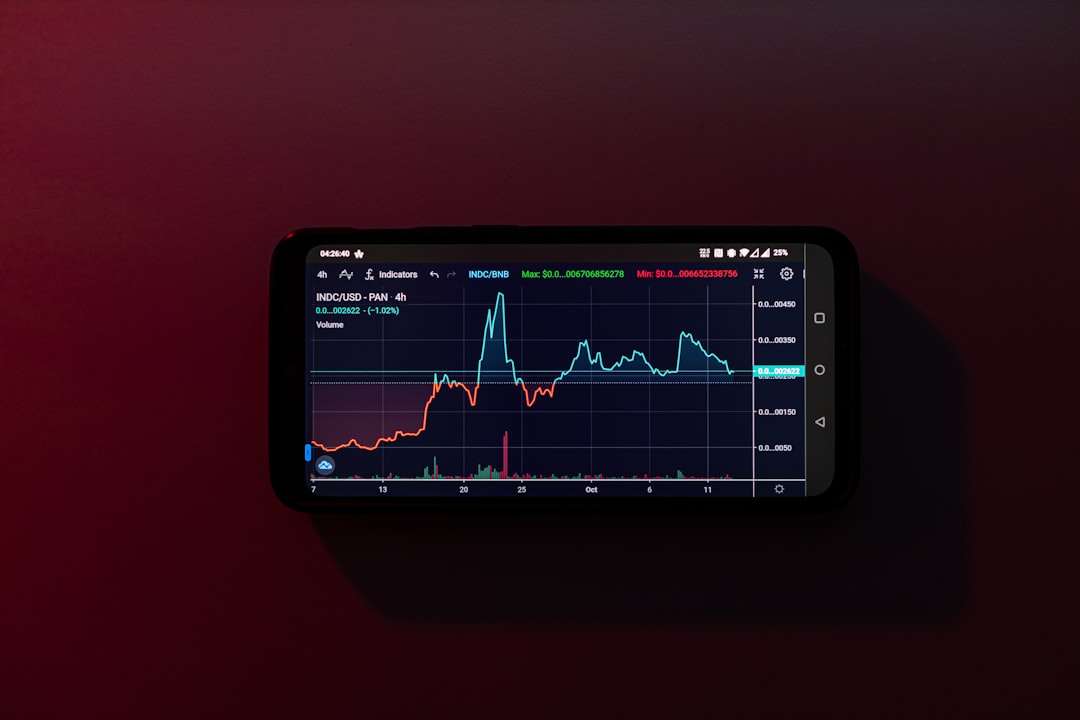
Webull is still user friendly. But there is more on the screen. More numbers. More charts. More indicators. For some people, that’s exciting. For others, it’s overwhelming.
Robinhood is better for:
- Complete beginners
- People who want a clean look
- Investors who don’t care about deep data
Webull is better for:
- Active traders
- People who love charts
- Users who want more control
2. Investment Options
Both apps offer the basics:
- Stocks
- ETFs
- Options trading
But there are differences.
Robinhood also offers:
- Cryptocurrency trading
- Fractional shares
- Retirement accounts (IRA)
Webull also offers:
- Cryptocurrency
- Fractional shares
- IRAs
- Paper trading (practice trading with fake money)
Paper trading is a big deal. It lets you practice strategies without risking real cash. If you’re learning, this is extremely helpful.
So if you want to test the waters first, Webull has an edge.
3. Fees and Costs
Both Robinhood and Webull advertise commission free trading. And that’s true for stocks and ETFs.
No trading commissions. No account minimums.
But there are still other costs to think about:
- Regulatory fees
- Margin rates
- Options contract fees (small fees apply)
Robinhood offers Robinhood Gold. This is a paid subscription. It gives you:
- Margin investing
- Larger instant deposits
- Professional research reports
Webull also offers margin accounts. Its margin rates are often competitive. Sometimes slightly better than Robinhood’s, depending on balance size.
Overall, costs are pretty similar. Neither platform is dramatically more expensive than the other for basic investing.
4. Research and Tools
This is where things start to really separate.
Robinhood keeps research simple. You get:
- Basic charts
- Company profiles
- News articles
- Analyst ratings (with Gold)
It’s clean. It’s not cluttered. But it’s also limited.
Webull is a different story.
You get:
- Advanced charting tools
- Technical indicators
- Screeners
- Real time market data
- Extended hours trading

For active traders, this matters. If you care about RSI, MACD, moving averages, and volume analysis, Webull gives you room to explore.
If those terms sound confusing, you may not need all that power yet.
Beginners often prefer simplicity. Experienced traders often prefer control.
5. User Experience and Design
Robinhood feels modern. Minimalist. Smooth.
The colors are soft. The design is intuitive. It feels less intimidating.
Webull feels more like a professional trading platform. Dark themes. Dense charts. Technical layouts.
Neither is ugly. They simply serve different audiences.
If you want investing to feel easy and relaxed, Robinhood delivers that vibe.
If you want to feel like a market analyst, Webull might excite you more.
6. Trading Hours
Both platforms offer extended hours trading. That means you can trade before the market opens and after it closes.
Webull typically has longer extended hours compared to Robinhood.
For most casual investors, this won’t matter much. But for more active traders, it can be valuable.
7. Customer Support
Customer service is important. Especially when money is involved.
Robinhood has improved its support over the years. It now offers phone support and chat. In the past, this was a weak spot.
Webull offers in app support and email. Many users report decent response times.
Neither platform is famous for luxury level service. But both are functional and improving.
8. Security
Both platforms are members of:
- SIPC (Securities Investor Protection Corporation)
This protects up to $500,000 in securities, including $250,000 in cash, if the brokerage fails.
Both also use encryption and two factor authentication.
In short, both are considered secure for retail investors.
9. Who Should Choose Robinhood?
Robinhood may be better for you if:
- You are brand new to investing
- You want a simple app
- You invest in stocks and crypto casually
- You don’t need deep technical tools
It removes friction. It makes investing feel approachable. That’s powerful.

Many people start here because it feels less scary.
10. Who Should Choose Webull?
Webull may be better if:
- You like analyzing charts
- You trade actively
- You want more indicators and screeners
- You want to practice with paper trading
It gives you more information. More depth. More flexibility.
If you enjoy understanding market patterns, Webull feels powerful.
Final Thoughts
So, which trading platform is better?
The honest answer: It depends on you.
Robinhood wins for simplicity. It made investing accessible to millions of people. It feels light and friendly.
Webull wins for features. It gives traders more tools and deeper insight.
If you are just starting out and want an easy entry point, Robinhood may feel more comfortable.
If you already understand the basics and want to level up, Webull may give you more room to grow.
Both offer commission free trading. Both support stocks, ETFs, and options. Both are competitive in 2026.
In the end, the best platform is the one that matches your style.
Simple and smooth? Try Robinhood.
Detailed and data driven? Try Webull.
You can even try both. See which one feels right. Investing is personal. Your trading app should be too.