
LinkedIn has become one of the most important tools in a modern job search. Recruiters use it to identify candidates, hiring managers use it to validate experience, and professional contacts use it to decide whether to make referrals. A strong profile is not just an online résumé; it is a carefully structured professional presence that communicates your value, credibility, and direction.
TLDR: Optimize your LinkedIn profile by making every section clear, specific, and aligned with the roles you want. Use a professional photo, a keyword-rich headline, a compelling About section, and achievement-focused experience entries. Keep your profile active by engaging thoughtfully, building relevant connections, and updating your content regularly. A complete, credible LinkedIn profile can significantly improve your visibility to recruiters and decision-makers.
Start With a Clear Professional Strategy
Before changing any section of your LinkedIn profile, define what you want it to achieve. Are you looking for a similar role in a new company, trying to change industries, seeking a leadership position, or returning to work after a break? Your profile should be built around that goal. A common mistake among job seekers is trying to appeal to everyone, which often results in a vague and forgettable profile.
Think of your LinkedIn profile as a professional positioning document. Every section should support a consistent message about who you are, what you offer, and where you are going next. If your target role is project manager in the technology sector, your headline, About section, skills, experience, and recommendations should all reinforce that direction.
Before editing, identify three to five target job titles and review job descriptions for those roles. Pay close attention to repeated keywords, required skills, certifications, tools, and industry language. These terms will help you align your profile with recruiter searches while still keeping the content natural and accurate.
Use a Professional Profile Photo and Banner
Your profile photo is one of the first elements people notice. It does not need to look like a formal corporate portrait, but it should be clear, current, and professional. Use a high-resolution image where your face is visible, the background is uncluttered, and your expression is approachable. Avoid casual group photos, cropped event pictures, or images with distracting filters.
LinkedIn profiles with professional photos tend to receive more views because they appear more credible and complete. Your appearance should match the expectations of your field. For example, finance, law, and executive roles may call for more formal presentation, while creative or technology roles may allow a slightly more relaxed style.
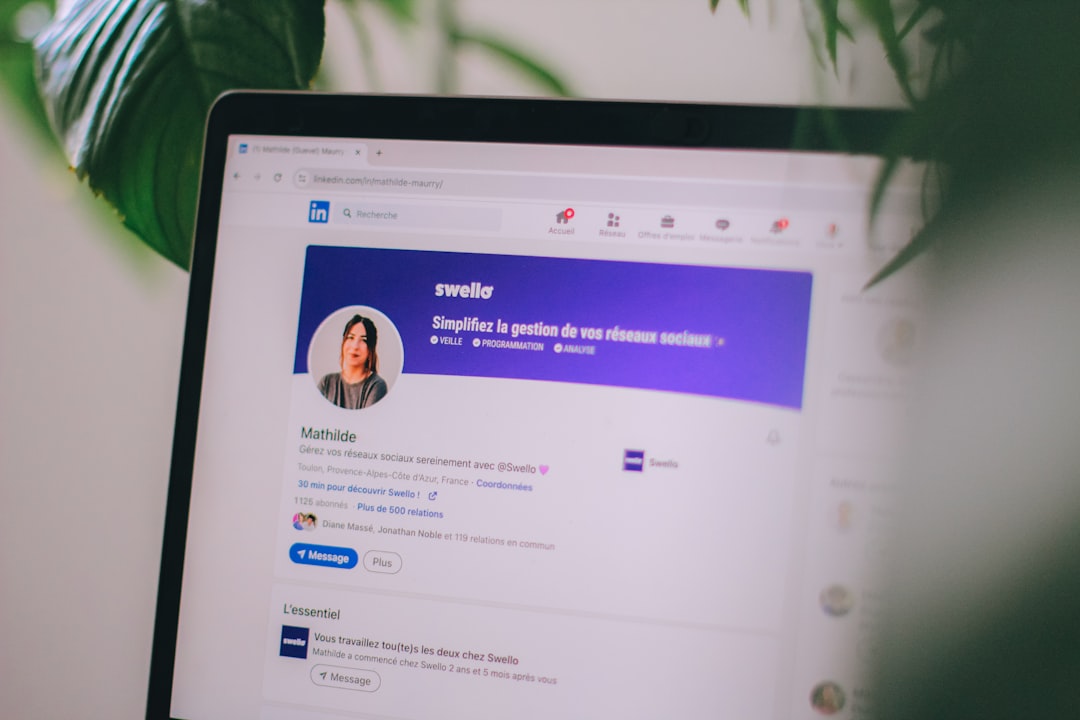
The banner image behind your profile photo is also valuable. Many job seekers leave it as the default background, missing an opportunity to reinforce their professional brand. You can use a simple industry-related image, a visual related to your field, or a clean background with subtle professional relevance.

Write a Headline That Goes Beyond Your Job Title
Your LinkedIn headline is highly visible in search results, connection requests, comments, and messages. By default, LinkedIn may use your current job title, but this is rarely the strongest option. A good headline should communicate your role, expertise, and value in a concise way.
Instead of writing only “Marketing Manager”, consider a more specific headline such as: “Marketing Manager | B2B Lead Generation | Content Strategy | Campaign Optimization”. This version includes relevant keywords and makes your specialization immediately clear.
For job seekers who are unemployed, avoid using phrases such as “actively looking” as the main focus of the headline. Recruiters search for skills and roles, not availability statements. You can indicate openness to opportunities using LinkedIn’s settings, while keeping your headline focused on your professional value.
Strong headline formulas include:
- Role + specialization + key skills: “Data Analyst | SQL, Tableau, Python | Business Intelligence”
- Role + industry + value: “HR Business Partner | Employee Relations | Talent Development | Organizational Effectiveness”
- Career target + transferable expertise: “Operations Professional Transitioning to Supply Chain Management | Process Improvement | Vendor Coordination”
Make the About Section Specific and Credible
The About section is your opportunity to tell a concise professional story. It should not simply repeat your résumé. Instead, it should explain your background, strengths, achievements, and career direction in a way that feels clear and trustworthy.
Start with a strong opening line that summarizes your professional identity. Recruiters may only read the first few lines before deciding whether to continue. Avoid generic statements like “I am a hardworking professional with excellent communication skills.” Instead, write something grounded and specific, such as: “I am a financial analyst with six years of experience improving reporting accuracy, building forecasting models, and supporting executive decision-making.”
A strong About section may include:
- Your professional background and area of expertise
- Key accomplishments with measurable results
- Technical skills, tools, or certifications relevant to your target roles
- Industries or environments where you have experience
- A brief statement about the opportunities you are seeking
Keep the tone professional and confident. You do not need to oversell yourself, but you should clearly state your value. Use short paragraphs or bullets to make the section easier to read. If appropriate, end with a simple call to action, such as: “I welcome conversations about roles in product operations, process improvement, and cross-functional project management.”
Optimize Your Experience Section for Achievements
Your Experience section should show more than where you worked and what tasks you performed. Hiring teams want evidence of impact. Instead of listing responsibilities alone, describe what you improved, delivered, managed, reduced, increased, launched, analyzed, or supported.
For each role, include a short overview of your responsibilities followed by achievement-focused bullet points. Use numbers wherever possible. Metrics make your claims more credible and easier to understand. Even if you cannot disclose exact figures, you can use ranges, percentages, frequencies, or scale.
Consider the difference between these two examples:
- Weak: “Responsible for managing social media accounts.”
- Stronger: “Managed LinkedIn and Instagram content calendars, increasing average monthly engagement by 38% over six months.”
Use action verbs and concrete outcomes. Good bullet points often begin with words such as led, developed, improved, implemented, analyzed, coordinated, reduced, increased, launched, trained, managed, or delivered. Make sure the content reflects your actual work and can be supported in an interview.

Use Keywords Without Sounding Artificial
LinkedIn search relies heavily on keywords. Recruiters often search for job titles, skills, certifications, software tools, industries, and methodologies. If your profile does not include relevant terms, you may not appear in search results even if you are qualified.
However, keyword optimization should never make your profile sound robotic. Place important terms naturally in your headline, About section, Experience section, Skills section, and certifications. If you are applying for project management roles, terms like stakeholder management, Agile, risk management, budgeting, scheduling, Jira, and cross-functional teams may be relevant, depending on your actual experience.
Review several job postings and note recurring language. If employers consistently mention certain tools or competencies that you possess, include them in your profile. This helps align your profile with recruiter behavior and applicant tracking expectations.
Strengthen the Skills Section
The Skills section is more important than many job seekers realize. LinkedIn uses it to understand your professional expertise and may use it to match your profile to recruiter searches. Select skills that are relevant to your target roles, not just every skill you have ever used.
Prioritize your top skills carefully. LinkedIn allows you to feature key skills prominently, and these should match the roles you want. For example, a software engineer may prioritize programming languages, frameworks, cloud platforms, and system design. A sales professional may prioritize account management, lead generation, CRM tools, negotiation, and pipeline management.
Remove outdated or irrelevant skills that dilute your positioning. If you are seeking a senior finance role, basic office skills should not dominate your profile. Your skills should support the level and direction of your career.
Add Certifications, Education, and Licenses
Certifications can increase credibility, especially in fields where technical knowledge, compliance, or formal training matters. Include relevant certifications, licenses, and coursework. Examples might include PMP, CPA, SHRM, Google Analytics, AWS, Salesforce, Lean Six Sigma, or industry-specific credentials.
Do not add certifications that are unrelated to your goals simply to fill space. Relevance is more important than volume. If a certification is in progress, you may include it if it is meaningful and you are genuinely working toward completion.
Your Education section should be accurate and complete. Include degrees, institutions, and relevant honors if appropriate. For early-career job seekers, relevant coursework, academic projects, or leadership activities may be useful. For experienced professionals, keep education concise unless it directly strengthens your candidacy.
Request Recommendations Strategically
Recommendations provide social proof. A well-written recommendation from a manager, colleague, client, or professor can strengthen your profile significantly. It shows that others are willing to publicly support your professional reputation.
When requesting a recommendation, be specific. Instead of sending a generic request, remind the person of projects you worked on together and the qualities you hope they can address. For example, you might ask them to mention your leadership on a system implementation, your reliability under deadlines, or your ability to manage client relationships.
A few thoughtful recommendations are more valuable than many vague ones. Aim for quality, credibility, and relevance. If possible, gather recommendations that reflect different aspects of your work, such as technical skill, leadership, collaboration, and problem-solving.
Make Your Profile Easy to Contact
If you are open to opportunities, make it simple for appropriate people to contact you. Check your privacy and visibility settings. Use LinkedIn’s Open to Work feature thoughtfully. You can choose whether only recruiters see your status or whether it is visible more broadly.
Make sure your contact information is current. If you include an email address, use a professional one. You may also add a portfolio, personal website, GitHub, writing samples, or other relevant links. These resources are especially useful for candidates in technology, design, marketing, writing, consulting, and research roles.
Before adding links, review them carefully. Everything connected to your LinkedIn profile should support your professional image. Broken links, outdated portfolios, or poorly organized samples can leave a negative impression.
Engage With Purpose
An optimized profile is important, but activity also matters. Recruiters and professional contacts are more likely to notice you if you engage thoughtfully. This does not mean posting constantly or sharing personal updates that do not fit your goals. It means participating in a professional, consistent way.
You can engage by commenting on industry discussions, sharing useful articles, congratulating contacts on achievements, and posting short insights from your field. Thoughtful comments can increase visibility and demonstrate expertise. Avoid arguments, careless statements, or overly casual content that may weaken your professional image.
If you are job seeking discreetly, engagement can still help. Commenting on industry trends or sharing professional insights does not necessarily signal that you are looking for a new role. It simply shows that you are active and informed.
Build a Relevant Network
Your LinkedIn network affects your visibility. A larger and more relevant network can increase your chances of appearing in searches and hearing about opportunities. Focus on connecting with people in your industry, former colleagues, alumni, recruiters, hiring managers, professional association members, and individuals at target companies.
When sending connection requests, personalize your message when possible. A brief note is enough: “Hello, I saw your work in healthcare analytics and would be glad to connect. I am building my network in this field.” A respectful message is more effective than a blank request, especially when contacting someone you do not know.
Do not immediately ask new connections for a job. Build rapport first. If you want advice or information, make your request specific and considerate of their time. Professional relationships are more sustainable when they are based on mutual respect rather than urgency.
Keep Your Profile Accurate and Current
Your LinkedIn profile should evolve as your career does. Update it when you complete a major project, gain a certification, change roles, publish work, or develop a new skill. An outdated profile can create confusion, especially if it conflicts with your résumé.
Review your profile every few months during an active job search. Check for outdated terminology, missing achievements, inconsistent dates, and unclear descriptions. Make sure your résumé and LinkedIn profile support the same overall story, even though they do not need to be identical.
Avoid Common LinkedIn Mistakes
Some profile mistakes can reduce credibility quickly. Avoid exaggerating your experience, using buzzwords without evidence, leaving major sections blank, or writing in a tone that is too casual. Also avoid excessive self-promotion. Serious professionals communicate value with clarity, not hype.
Pay attention to spelling, grammar, and formatting. Small errors can create doubt about attention to detail. Ask a trusted colleague, mentor, or career advisor to review your profile if possible. A second perspective can help identify unclear language or missed opportunities.
Final Thoughts
Optimizing your LinkedIn profile is not about creating a perfect online persona. It is about presenting your experience honestly, strategically, and professionally. A strong profile helps recruiters understand your qualifications, helps contacts refer you with confidence, and helps hiring managers see the connection between your background and their needs.
For job seekers, LinkedIn should be treated as an active career asset. With a clear headline, compelling About section, achievement-focused experience, relevant keywords, strong skills, and thoughtful engagement, your profile can become a reliable source of visibility and opportunity. The best results come from consistency: keep your profile current, build relationships over time, and make sure every section supports the professional future you are working toward.