
Cabin names do more than label sleeping spaces; they help shape the personality of a summer camp. A memorable cabin name can make campers feel like they belong to a team, a story, or a tradition that continues long after the season ends. When chosen thoughtfully, cabin names support camp spirit, encourage friendly competition, and make everyday locations feel magical.
TLDR: Summer camp cabin names work best when they are fun, easy to remember, and connected to the camp’s theme. Nature names, adventure names, animal names, and fantasy-inspired names are popular choices because they create instant identity. Camp staff can also build naming systems around age groups, activities, camp values, or local landmarks. The strongest cabin names feel inclusive, timeless, and exciting for campers of all ages.
Why Summer Camp Cabin Names Matter
At first glance, a cabin name may seem like a small detail. However, in a camp setting, names can carry a lot of emotional value. A camper may forget the number of a cabin, but that camper is far more likely to remember staying in Fox Den, Moonbeam Lodge, or Thunder Ridge. Names give cabins character and help campers form an immediate attachment to their home away from home.
Cabin names also make camp logistics easier. Staff members can announce, “Maple Cabin should meet at the waterfront,” or “Falcon Lodge has cleanup duty,” and campers understand the message quickly. Compared with numbers, themed names feel warmer, friendlier, and more connected to the camp experience.
Another benefit is tradition. A cabin name can become part of camp history. Older campers may proudly say they once stayed in Bear Hollow, while younger campers hope to be assigned there in future summers. Over time, cabin names can create stories, jokes, songs, banners, and rituals that define the camp’s culture.
Nature Inspired Cabin Names
Nature themes are among the most popular options for summer camp cabins. Because many camps are surrounded by trees, lakes, mountains, meadows, or trails, nature names feel authentic and easy to connect with the setting. They can be peaceful, adventurous, rustic, or poetic depending on the tone of the camp.
- Maple Grove
- Pine Hollow
- Birchwood Cabin
- Cedar Ridge
- Willow Bend
- Oak Haven
- Fern Valley
- Sunflower Lodge
- Wildflower Way
- Mossy Creek
These names work especially well for camps that emphasize hiking, outdoor education, conservation, or rustic living. A camp with cabins arranged around a wooded path might name each one after a local tree. A lakeside camp could use names inspired by water, such as Ripple Cabin, Driftwood Lodge, and Silver Shore.
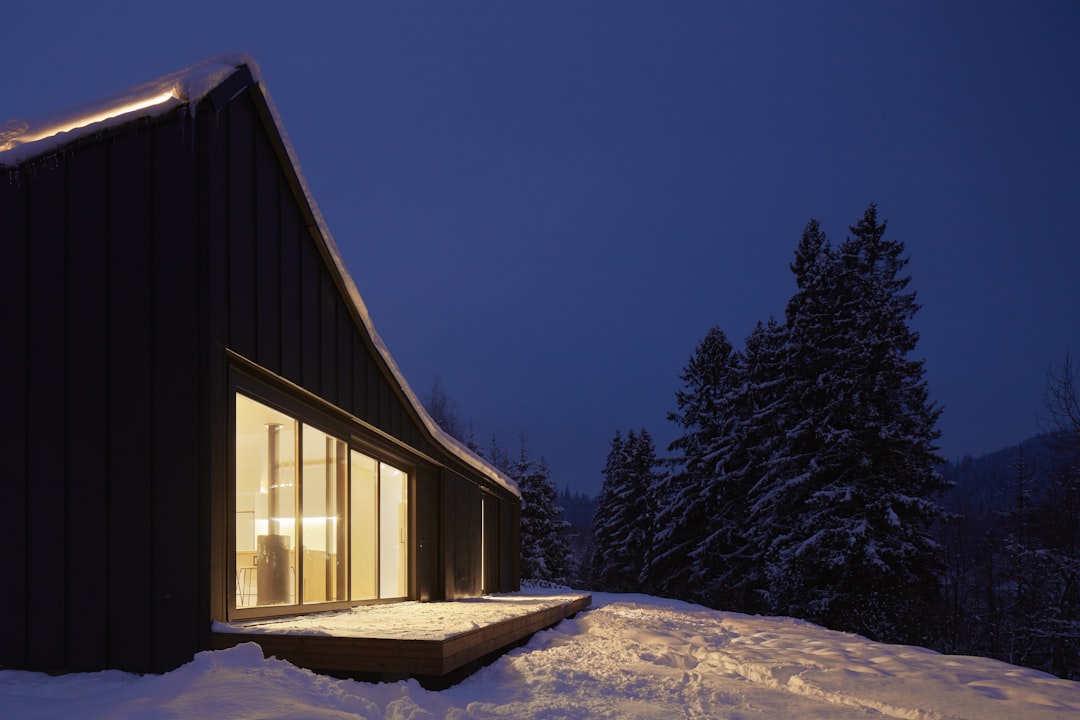
Animal Themed Cabin Names
Animal names create instant energy and personality. They are especially appealing for younger campers because they are easy to picture and fun to cheer for during games. Animal-themed cabin names can also be grouped by habitat, such as woodland animals, birds, lake creatures, or mountain wildlife.
- Bear Den
- Fox Hollow
- Wolf Pack
- Raccoon Ridge
- Deer Meadow
- Otter Cove
- Eagle Nest
- Falcon Roost
- Owl Hollow
- Turtle Lodge
These names can also help reinforce camp values. Wolf Pack may represent teamwork, Owl Hollow may suggest wisdom, and Otter Cove may reflect playfulness. When names connect with positive traits, they become more than labels; they become symbols of the behavior and spirit a camp wants to encourage.
Adventure and Explorer Cabin Names
For camps with a strong focus on challenge courses, hiking, canoeing, archery, or wilderness skills, adventure names can be very effective. They create a sense of movement, courage, and discovery. These names often sound bold and exciting, making them ideal for older campers or leadership programs.
- Trailblazer Cabin
- Summit Lodge
- Compass Point
- Basecamp Bunk
- Pathfinder Hall
- Explorer’s Rest
- Voyager Cabin
- Lookout Ridge
- Adventure Hollow
- Campfire Point
Adventure names work particularly well when the camp uses outdoor achievements or badges. For example, campers in Trailblazer Cabin might earn recognition for completing hikes, while Compass Point might become associated with leadership and navigation games.
Fantasy and Storybook Cabin Names
Some camps prefer a whimsical atmosphere, especially those that feature drama, creative writing, arts, music, or imaginative play. Fantasy and storybook cabin names can make the campgrounds feel like a living world. These names are often magical, mysterious, and full of charm.
- Dragonfly Keep
- Moonbeam Manor
- Starlight Cottage
- Pixie Pines
- Wizard’s Woods
- Enchanted Elm
- Fairy Fern Cabin
- Lantern Hollow
- Mystic Meadow
- Storybook Lodge
Fantasy names are especially useful when a camp has an annual theme. If the summer theme is “Kingdom of Camp,” cabins might be called Castle Oak, Dragon Ridge, and Crown Creek. If the theme is “Stars and Stories,” names such as Comet Cabin and Galaxy Grove may fit beautifully.
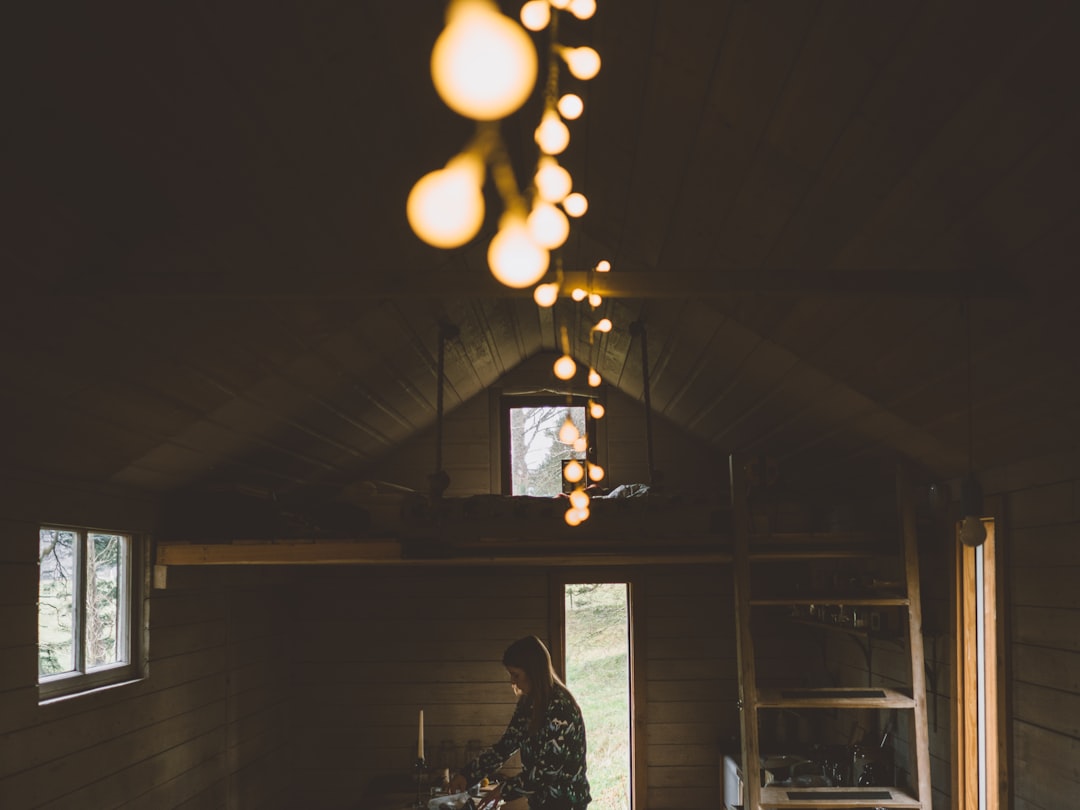
Water and Lake Cabin Names
For camps near lakes, rivers, streams, or beaches, water-inspired cabin names feel natural and refreshing. They can create a relaxing summer mood while also connecting cabins to activities such as swimming, fishing, kayaking, and canoeing.
- Bluewater Cabin
- Ripple Ridge
- Lily Pad Lodge
- Driftwood Den
- Sunny Shore
- Frog Pond
- Canoe Cove
- Minnow Manor
- Lakeview Lodge
- Riverbend Cabin
These names can be made playful or elegant depending on the camp’s style. Frog Pond feels silly and kid-friendly, while Riverbend Cabin sounds classic and calm. A camp can mix both styles if different age groups use different areas.
Funny and Playful Cabin Names
Humor helps campers relax, especially those attending camp for the first time. Funny cabin names can break the ice and give campers something to laugh about immediately. These names work best when they are silly without being embarrassing or exclusive.
- S’more Shack
- Bug Bite Bungalow
- Wiggle Worm Cabin
- Snack Attack Lodge
- Muddy Boots
- Giggle Grove
- Pajama Pines
- Camp Chaos Cabin
- Marshmallow Manor
- Lost Sock Lodge
Playful names are often memorable because they capture the messy, joyful reality of camp life. However, staff members should choose names that campers can feel proud of. A name such as Lost Sock Lodge may be funny, while a name that suggests campers are lazy or messy in a negative way may not age well.
Cabin Names by Age Group
Many camps organize cabins by camper age, and naming systems can reflect growth from younger groups to older ones. This approach helps campers feel that they are progressing through the camp experience year by year.
- Younger campers: Bumblebee Bunk, Bunny Burrow, Little Acorns, Firefly Cabin
- Middle campers: Fox Trail, Pine Rangers, Creekside Crew, Hawk Haven
- Older campers: Summit House, Voyager Lodge, Timberline Cabin, North Star Hall
- Leadership campers: Pathfinder Post, Legacy Lodge, Counselor Cove, Trail Chief Cabin
This type of system creates anticipation. A younger camper may look forward to one day staying in North Star Hall or Legacy Lodge. The names become milestones that represent growing independence, responsibility, and camp pride.
Local Landmark and Regional Cabin Names
Cabin names can also celebrate the camp’s location. Local mountains, rivers, plants, animals, historical features, or cultural references can make names feel grounded and meaningful. This approach is especially useful for long-established camps that want names with a sense of place.
For example, a mountain camp might use nearby peak names. A coastal camp might choose names inspired by bays, dunes, shells, and seabirds. A forest camp could use native tree species or local wildlife. When names are tied to the surrounding environment, campers learn more about the area and develop a stronger connection to it.
Image not found in postmetaHow to Choose the Best Cabin Names
The best naming system is usually simple, consistent, and flexible. Before choosing names, camp leaders should consider the camp’s mission, traditions, age range, and physical setting. A camp with a wilderness focus may prefer rugged names, while a creative arts camp may lean toward whimsical or colorful names.
Several guidelines can help make the process smoother:
- Keep names easy to say. Campers and staff should be able to pronounce them quickly during announcements.
- Make names easy to remember. Short, vivid names such as Bear Den or Maple Lodge work better than long, complicated names.
- Choose an inclusive theme. Names should feel welcoming to all campers and avoid stereotypes or inside jokes that newcomers may not understand.
- Think about signs and decorations. Strong cabin names should look good on banners, maps, T-shirts, and wooden signs.
- Allow room for growth. If the camp may add new cabins later, the theme should include enough possible names.
Staff members may also invite campers to participate in the naming process. This can be done through voting, suggestion boxes, cabin contests, or end-of-season surveys. When campers help choose names, they often feel a greater sense of ownership and excitement.
Creative Cabin Name Sets
Instead of choosing names randomly, many camps prefer complete sets. A consistent set makes the campground feel organized and intentional. Below are several themed collections that can be adapted for different camp sizes.
Woodland Set
- Fox Hollow
- Bear Den
- Deer Meadow
- Owl Roost
- Raccoon Ridge
Campfire Set
- Ember Cabin
- Spark Lodge
- Kindling House
- Flame Point
- Lantern Rest
Sky Set
- Sunrise Cabin
- Moonbeam Lodge
- Starlight Hall
- Cloudview Cabin
- Rainbow Ridge
Adventure Set
- Compass Point
- Summit Lodge
- Trailhead Cabin
- Lookout Post
- Explorer Hall
Making Cabin Names Part of Camp Culture
Once cabin names are chosen, they should be used often. A name becomes meaningful when it appears in songs, cheers, maps, schedules, awards, and camp stories. Cabin groups can create flags, mascots, handshakes, or chants based on their names. A cabin called Eagle Nest might use a soaring eagle symbol, while S’more Shack might decorate with marshmallow art and campfire colors.
Cabin names can also support friendly competition. During color wars, scavenger hunts, talent shows, or cleanup challenges, cabin names give each group identity. Staff should ensure that competition remains positive, with the focus on teamwork, kindness, and participation.
Most importantly, cabin names should help campers feel at home. A great name can turn a simple wooden building into a place of friendship, laughter, and unforgettable memories. Whether a camp chooses classic nature names, silly names, animal names, or magical names, the goal remains the same: to create a welcoming space where campers feel proud to belong.
FAQ
What are good summer camp cabin names for younger campers?
Good names for younger campers are gentle, cheerful, and easy to remember. Examples include Firefly Cabin, Bunny Burrow, Little Acorns, Giggle Grove, and Bumblebee Bunk.
What are good cabin names for older campers?
Older campers often enjoy names that sound adventurous or mature. Strong options include Summit Lodge, North Star Hall, Timberline Cabin, Voyager Lodge, and Pathfinder Post.
Should summer camp cabins have themed names?
Themed names are often a good choice because they make the campground feel organized and memorable. Themes such as nature, wildlife, adventure, water, stars, or local landmarks can create a consistent identity across all cabins.
How many cabin names should a camp prepare?
A camp should prepare names for all current cabins and several extra options for future expansion. Having additional names keeps the theme consistent if new cabins are built or temporary groups are added.
Can campers help choose cabin names?
Yes. Camper involvement can make the naming process more meaningful. Camps may use voting, contests, suggestion forms, or cabin council discussions to gather ideas while allowing staff to make the final decision.
What should a camp avoid when naming cabins?
A camp should avoid names that are difficult to pronounce, too long, negative, embarrassing, or exclusive. Names should be welcoming, age-appropriate, and suitable for signs, announcements, and long-term traditions.