
A magician’s business card is more than a small piece of paper with contact details. For performers and entertainers, it can act as a mini stage, a conversation starter, a reminder of a memorable show, and even a clever piece of magic in itself. Whether you perform close-up card tricks, children’s party magic, stage illusions, mentalism, comedy magic, or corporate entertainment, the right business card can make your brand feel professional, intriguing, and unforgettable.
TLDR: A great magician business card should instantly communicate your performance style, personality, and professionalism. The best designs use strong visuals, readable typography, memorable branding, and sometimes interactive or magical elements. From elegant black-and-gold cards to playful designs for family entertainers, your card should match the type of shows you want to book. Most importantly, it should make people want to keep it, show it to others, and contact you.
Why Business Cards Still Matter for Magicians
In a world of websites, social media profiles, and digital ads, business cards might seem old-fashioned. But for magicians, they remain surprisingly powerful. Magic is personal, live, and highly interactive. When someone has just seen you perform a mind-reading routine, make a coin vanish, or produce a signed card from an impossible location, handing them a card at the perfect moment can feel natural and memorable.
A business card gives potential clients something tangible to take away. It also works well in environments where bookings often happen through conversation: weddings, trade shows, restaurants, festivals, birthday parties, networking events, and corporate functions. If someone says, “Do you do private events?”, you need a polished answer ready in your pocket.
For performers, the card does three important jobs:
- It introduces your brand: The design tells people whether you are elegant, mysterious, funny, family-friendly, modern, or theatrical.
- It provides clear booking information: Clients need your name, website, phone number, email, and social media details.
- It creates recall: A distinctive card helps people remember you after they have met several entertainers.
Designing for Your Type of Magic
Not every magician should have the same kind of business card. A mentalist performing at luxury corporate events needs a different impression than a colorful children’s party magician. Before choosing colors, fonts, or graphics, think carefully about your performance identity.
If your act is sophisticated and mysterious, your card might use deep black, metallic gold, silver foil, dark purple, or rich burgundy. If your act is high-energy and family-focused, brighter colors such as red, yellow, blue, and green may work better. If you perform comedy magic, your card can be witty, surprising, or even slightly absurd. For a stage illusionist, dramatic imagery and bold contrast can create a sense of scale and excitement.
Ask yourself:
- Do I want to appear luxury, fun, mysterious, modern, or classic?
- Who usually books me: parents, event planners, restaurants, brides and grooms, schools, or corporations?
- What reaction should my card create in the first three seconds?
- Does my card match my costume, website, logo, and overall personality?
The best magician business cards feel like an extension of the show. They do not simply say, “I am a magician.” They suggest what it feels like to watch you perform.
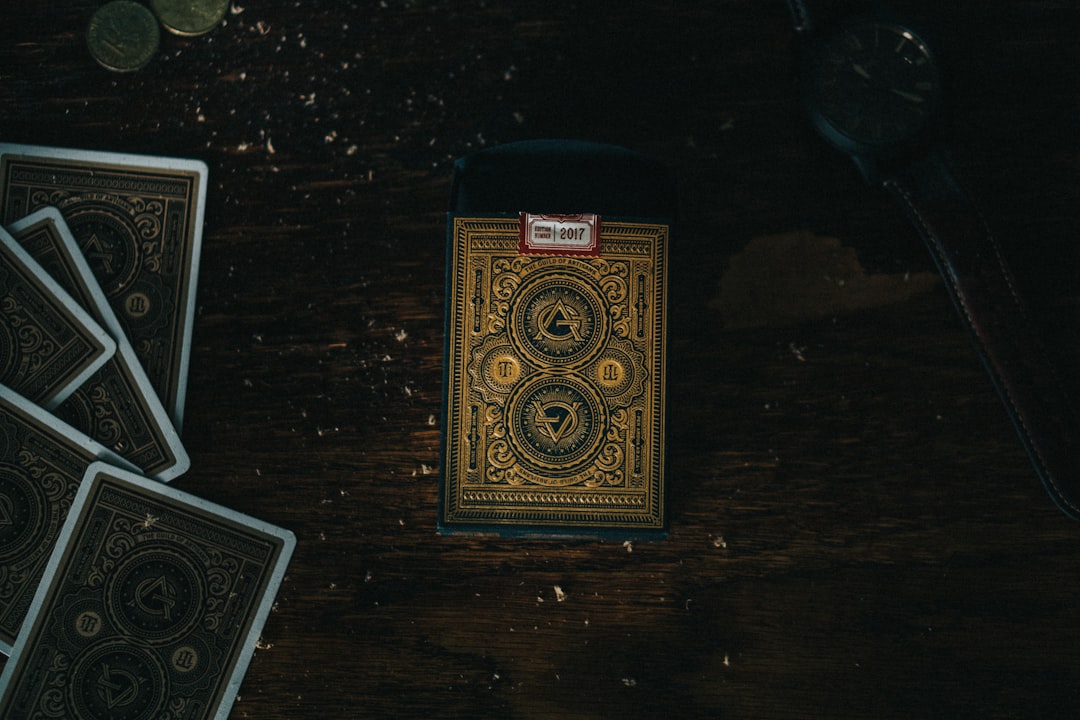
Essential Information to Include
A stylish card is useless if people cannot quickly understand who you are and how to book you. Magician business cards often fail when they try to be too clever and hide the important details. Creativity is valuable, but clarity must come first.
Your card should usually include:
- Stage name or professional name: Make it easy to remember and search online.
- What you do: For example, “Close-Up Magician,” “Corporate Mentalist,” “Children’s Party Entertainer,” or “Wedding Magician.”
- Phone number: Especially important for fast event inquiries.
- Email address: Use a professional-looking address rather than a casual personal one.
- Website: Your site should show photos, videos, testimonials, and booking details.
- Social media handle: Include one or two platforms where you are active and professional.
- Location or service area: This helps clients know whether you perform in their region.
You do not need to include everything you have ever done. A cluttered card looks less professional. If you perform many types of magic, consider a short phrase such as “Magic and Mind Reading for Private and Corporate Events”. It is clear, flexible, and marketable.
Choosing the Right Visual Style
Magic has a rich visual language: playing cards, top hats, rabbits, stars, smoke, wands, crystal balls, velvet curtains, mysterious hands, glowing lights, and impossible objects. These symbols can work beautifully, but they can also become predictable if used without imagination.
A modern magician business card does not have to show a rabbit in a hat. In fact, many professional performers avoid overly cartoonish clichés unless they suit the act. Instead, you might use subtle details: a single ace of spades, a hidden card reveal, a clean monogram, a metallic crescent moon, or an elegant pattern inspired by card backs.
Here are several design directions to consider:
- Classic theater: Rich reds, gold trim, curtain textures, vintage type, and dramatic lighting.
- Modern minimalist: Clean layout, black-and-white contrast, simple icon, and lots of empty space.
- Mysterious mentalism: Dark colors, thin lettering, abstract symbols, eyes, geometric patterns, or subtle gradients.
- Family entertainment: Bright colors, friendly illustrations, playful fonts, balloons, stars, and cheerful imagery.
- Luxury close-up magic: Matte black stock, foil accents, embossed logo, and refined typography.
The most eye-catching card is not always the loudest one. Sometimes a simple, luxurious design with one brilliant detail can make a stronger impression than a crowded card full of icons and effects.
Typography That Feels Magical but Stays Readable
Fonts play a major role in how people judge your professionalism. A gothic or ornate typeface might look mysterious, but if people cannot read your phone number, the design has failed. Use decorative fonts sparingly, perhaps for your name or logo, and pair them with a clean font for contact information.
For a magician, typography can suggest personality. A vintage serif font can feel theatrical and traditional. A sharp sans-serif can feel modern and corporate. A handwritten-style font may feel personal and whimsical. The key is balance: style for attention, simplicity for information.
A good rule is to use no more than two font families on one card. One font can be used for your name or headline, and another for supporting details. Keep spacing generous, avoid tiny text, and make sure the contrast between text and background is strong enough to read in dim restaurant lighting or at a busy event.
Color Choices That Create Impact
Color has emotional power. Black suggests mystery, elegance, and theatricality. Gold suggests prestige and premium entertainment. Red feels energetic, bold, and classic. Purple can feel mystical and creative. Blue can communicate trust and professionalism, which works well for corporate performers. White space can make a card feel clean, confident, and high-end.
When choosing colors, think about where your card will be used. If you perform at weddings, a refined palette may appeal to couples and planners. If you perform for children, a dark and moody card may confuse parents looking for a fun entertainer. If you perform at trade shows, strong contrast and clear branding may help you stand out in a stack of cards.
Also consider print finishes. A black card with gold foil can look spectacular, but only if the text remains readable. A glossy finish can make colors pop, while a matte finish feels more refined. Spot UV can highlight a logo, playing card symbol, or magical swirl without overwhelming the design.
Image not found in postmetaInteractive and Magical Business Card Ideas
Because you are a magician, your business card can do something other business cards cannot: it can become part of the performance. A clever interactive card gives people a reason to keep it, talk about it, and remember you.
Some performers print a simple optical illusion on the back. Others include a prediction, a reveal, a puzzle, or a QR code that leads to a short magic video. A close-up magician might design the card to look like a playing card, while a mentalist might include a mysterious symbol that becomes meaningful during a routine.
Here are a few creative ideas:
- Prediction card: The back of the card reveals a word, number, or playing card used in a routine.
- Optical illusion: A moving pattern, impossible shape, or visual trick creates instant curiosity.
- QR code surprise: The code opens a short video, booking page, or hidden “mind reading” effect.
- Playing card style: Your card resembles an ace, joker, or custom card back.
- Fold or reveal design: When folded, the card changes meaning or reveals a secret message.
- Appointment reminder: For party magicians, the card can include a blank space for event dates or consultation times.
However, do not let the gimmick overpower the purpose. A magical card should still be a professional marketing tool. If the effect is confusing, fragile, or expensive to reproduce, it may not be practical for regular use.
Using Both Sides Effectively
Many performers waste the back of their business card or fill it with unnecessary decoration. The reverse side is valuable space. You can use it for a testimonial, a list of services, a short tagline, a QR code, or a magical reveal.
For example, the front might feature your name, logo, and main contact details. The back might say:
- “Unforgettable magic for weddings, parties, and corporate events.”
- “Scan to watch a 30-second miracle.”
- “Ask me to show you the trick printed on this card.”
- “Rated five stars by event planners and private clients.”
This approach keeps the front clean while giving the back a specific marketing purpose. Think of each side as a separate moment: the front introduces you, and the back deepens interest.
Paper, Finish, and Print Quality
The physical feel of your card matters. Thin, flimsy cards can make even a talented performer seem less professional. A thicker card stock suggests quality and confidence. For entertainers who charge premium fees, investing in better materials can help support the value of the booking.
Popular options include:
- Matte finish: Smooth, modern, and elegant, with less glare.
- Gloss finish: Bright and colorful, useful for vibrant family entertainment designs.
- Soft touch laminate: Velvety and luxurious, excellent for high-end performers.
- Foil stamping: Adds metallic shine to logos, stars, borders, or card symbols.
- Embossing or debossing: Creates a raised or pressed texture for a memorable feel.
- Rounded corners: Helps the card feel modern and prevents worn edges.
If your business card doubles as a trick prop, test the paper carefully. Some sleights, folds, or reveals may require a specific thickness or finish. A card that looks beautiful but is hard to handle may not be ideal for performance use.
Branding Consistency for Professional Performers
Your business card should match the rest of your public image. If your website is modern and blue, but your card is vintage red and gold, the mismatch can weaken your brand. Consistency builds trust. Clients should feel that they are dealing with a polished performer who pays attention to details.
Try to align your card with:
- Your website colors and fonts
- Your logo or stage name design
- Your costume or performance wardrobe
- Your promo photos and videos
- Your social media banners and profile images
- Your show posters, flyers, and email signature
This does not mean every material must look identical. But they should feel as though they belong to the same performer. A strong brand makes it easier for people to remember you, recommend you, and recognize you later.
Image not found in postmetaCommon Mistakes to Avoid
Many magician business cards miss opportunities because they focus on decoration instead of communication. Avoid these common problems:
- Too much clutter: A crowded card can look amateur and hard to read.
- Unclear specialty: If people cannot tell what kind of events you perform at, they may not contact you.
- Generic magic clip art: Overused icons can make your brand feel less original.
- Poor contrast: Dark text on a dark background or tiny light text can be difficult to read.
- No call to action: Encourage people to visit your site, watch a video, or book a show.
- Cheap printing: Low-quality paper or blurry graphics can reduce perceived value.
- Outdated information: Old phone numbers, inactive social accounts, or broken websites can cost bookings.
It is worth showing your card design to a few trusted people before printing a large batch. Ask them what kind of performer they think you are based only on the card. If their answer matches your intended brand, you are on the right track.
Making Your Card Work Harder
A business card should not sit passively in your pocket. Use it strategically. Hand it out after a strong moment in your performance, not randomly before anyone knows what you do. If you have just amazed someone, the card becomes connected to that feeling of astonishment.
You can also include cards in thank-you notes, event packets, restaurant table displays, party favor bags, wedding vendor kits, or promotional mailers. Encourage happy clients to pass one to a friend. For magicians, word of mouth is incredibly valuable, and a memorable card gives people an easy way to refer you.
If you use a QR code, track where it leads and keep the destination updated. A short showreel, testimonial page, or simple booking form can turn curiosity into action. Make the next step obvious: watch, contact, book.
Final Thoughts
A magician business card is a small object with big potential. It can express your style, support your brand, showcase your professionalism, and even deliver a tiny moment of wonder. The best cards combine visual impact with practical clarity: they look impressive, feel good in the hand, and make booking you easy.
Whether you choose a sleek black card with foil accents, a playful design for children’s shows, a mysterious mentalism-inspired layout, or an interactive card that reveals a secret, remember the real goal. Your card should make someone think, “I want this performer at my event.” When designed with care, a magician’s business card does not just share contact information—it keeps the magic alive long after the show is over.