
Publishing courses in a learning management system is no longer just a technical step at the end of course creation. For online education businesses, LMS publishing is a strategic process that affects learner engagement, completion rates, customer satisfaction, and revenue. A well-published course feels organized, easy to navigate, visually consistent, and reliable across devices. A poorly published one, even if the content is excellent, can create confusion, support tickets, refunds, and negative reviews.
TLDR: Successful LMS publishing requires more than uploading videos and PDFs. Online education businesses should focus on clear course structure, learner-friendly navigation, quality assurance, mobile accessibility, branding, analytics, and regular content updates. The best LMS publishing workflows combine educational design, technical testing, and business goals so learners have a smooth experience from enrollment to completion.
Start with a Clear Publishing Strategy
Before you publish anything, define what success looks like. Are you trying to increase course completion rates? Sell premium certifications? Reduce instructor workload? Improve onboarding for new learners? Your publishing strategy should connect your educational goals with your commercial goals.
A strong LMS publishing strategy answers questions such as:
- Who is the course for? Beginners, professionals, teams, hobbyists, or enterprise clients?
- What outcome should learners achieve? A skill, certification, transformation, or completed project?
- How should content be consumed? Self-paced, cohort-based, blended, or live-supported?
- What does completion mean? Watching lessons, passing quizzes, submitting assignments, or attending sessions?
- How will performance be measured? Completion rate, quiz scores, reviews, renewals, or upsells?
When these decisions are made early, the LMS becomes more than a content container. It becomes a structured learning environment designed to support both the learner journey and the business model.
Organize Content Around the Learner Journey
The best online courses are not simply collections of lessons. They are guided experiences. Learners should always know where they are, what they have completed, what comes next, and why each activity matters.
Use modules, sections, or units to create a logical progression. A common structure might include an introduction, foundational concepts, practical application, assessment, and next steps. For more complex programs, consider grouping lessons by milestones or outcomes rather than by content type.

Good structure reduces cognitive load. Instead of asking learners to figure out the path themselves, you provide a clear route. This is especially important for paid education businesses because customers often judge course quality by the ease of use as much as by the expertise of the instructor.
Helpful publishing practices include:
- Use consistent module naming. For example, “Module 1: Foundations” and “Module 2: Strategy” are easier to follow than vague titles.
- Keep lessons focused. One lesson should generally teach one core idea or skill.
- Add short introductions. Explain what learners will gain before they begin a module.
- End with action steps. Give learners something to do, reflect on, or apply.
- Include estimated time. This helps learners plan and reduces abandonment.
Design for Engagement, Not Just Delivery
Many online education businesses make the mistake of treating LMS publishing as a file upload process. They publish lectures, workbooks, and quizzes, then wonder why learners do not finish. Engagement must be intentionally designed.
Break long videos into shorter segments where possible. Add reflection prompts, downloadable templates, discussion questions, polls, exercises, and knowledge checks. If your LMS supports interactive elements, use them thoughtfully. Interaction should reinforce learning, not distract from it.
For example, after a lesson on pricing strategy, learners could complete a worksheet to calculate their own offer price. After a module on public speaking, they could upload a short practice video. These activities turn passive consumption into active learning.
Consider using a rhythm such as:
- Teach: Present the concept clearly.
- Show: Demonstrate with an example or case study.
- Practice: Ask learners to apply the idea.
- Reflect: Encourage them to evaluate what they learned.
- Assess: Check understanding before moving forward.
Maintain Strong Branding and Visual Consistency
Your LMS is part of your customer experience. If learners move from a polished sales page into a cluttered or inconsistent course portal, trust can drop quickly. Online education businesses should treat LMS publishing as a brand touchpoint.
Use consistent colors, fonts, thumbnail styles, button language, and formatting across courses. Lesson pages should look like they belong to the same learning ecosystem. Course banners, module covers, instructor bios, and certificates should all reinforce the same visual identity.
Branding is not only about aesthetics. It also creates familiarity. When learners know what to expect visually, they navigate with more confidence. This is especially useful if you sell multiple courses, memberships, or learning paths.
Prioritize Mobile and Cross-Device Accessibility
Many learners will access your course from a laptop during work hours, a phone during a commute, or a tablet in the evening. Your LMS publishing process must account for these different contexts.
Before launching, test every major course element on multiple devices. Videos should resize correctly, text should be readable, buttons should be easy to tap, and downloads should open properly. If a quiz works on desktop but is frustrating on mobile, completion rates may suffer.
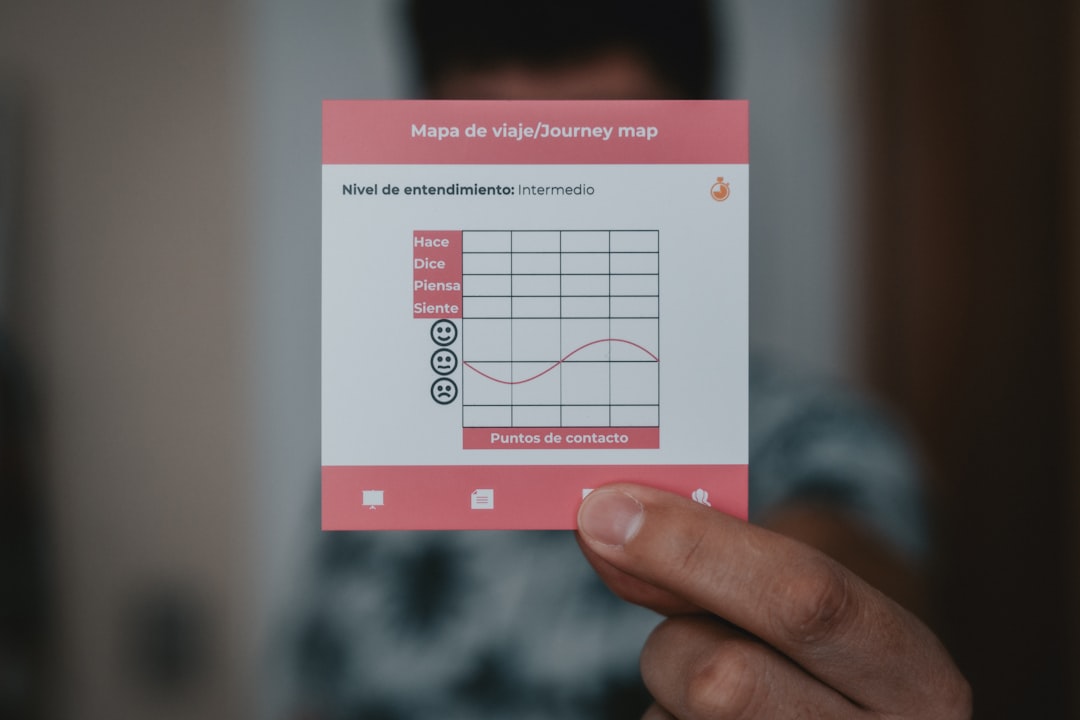
Accessibility is equally important. Good accessibility expands your audience and improves usability for everyone. Use clear headings, descriptive link text, readable contrast, captions for videos, transcripts for audio, and alt text for images where your LMS allows it.
At a minimum, review the following before publishing:
- Are videos captioned or accompanied by transcripts?
- Can learners navigate lessons without confusion?
- Is the course readable on small screens?
- Do images support the content rather than merely decorate it?
- Are downloadable files clearly named?
- Do buttons and links describe the action they perform?
Create a Repeatable Quality Assurance Checklist
Quality assurance is one of the most overlooked LMS publishing best practices. Even small errors can damage learner confidence. A broken video, missing download, incorrect quiz answer, or confusing completion rule can create friction that interrupts the learning experience.
Develop a checklist that every course must pass before it goes live. This helps your team publish faster while reducing mistakes. It is especially important if multiple instructors, course managers, or content editors are involved.
Your LMS publishing QA checklist might include:
- Content accuracy: Lessons are up to date, complete, and free from obvious errors.
- Video playback: All videos load, play smoothly, and have correct titles.
- Download links: PDFs, templates, worksheets, and resources open correctly.
- Quiz logic: Correct answers, passing scores, attempts, and feedback are properly configured.
- Navigation: Learners can move between modules without getting stuck.
- Completion settings: Progress tracking, certificates, and prerequisites work as intended.
- Email triggers: Welcome emails, reminders, and completion messages send correctly.
- Payment access: Paid learners are enrolled correctly after purchase.
A useful practice is to test the course from the learner perspective, not only from the administrator dashboard. Create a test account, enroll as a student, and complete the full experience from purchase or registration through final certificate.
Use Prerequisites and Drip Scheduling Thoughtfully
Many LMS platforms allow you to control when learners access content. Used wisely, prerequisites and drip schedules can improve learning outcomes. Used poorly, they can frustrate paying customers.
Prerequisites are helpful when learners must understand one concept before moving to another. For example, a coding course may require learners to complete a setup module before accessing advanced projects. Drip scheduling works well for cohort programs, memberships, onboarding sequences, and courses where pacing matters.
However, avoid locking content unnecessarily. If learners purchased a self-paced course, they may expect immediate access. If you use locked lessons, explain why. Transparency reduces confusion and support requests.
Optimize Course Metadata and Descriptions
Course titles, descriptions, lesson summaries, tags, categories, and thumbnails affect how learners discover and understand your content. This is especially important for businesses with large course libraries, memberships, or corporate training portals.
Write descriptions that focus on outcomes rather than only topics. Instead of saying, “This course covers email marketing,” say, “Learn how to build an email sequence that welcomes new subscribers, nurtures trust, and promotes your offer.” The second version tells learners what they can do after completing the course.
Good LMS metadata helps with:
- Internal course search
- Learning path recommendations
- Upselling related courses
- Reporting and segmentation
- Administrative organization
Integrate Analytics into the Publishing Process
Publishing is not finished when a course goes live. The real test begins when learners start using it. Analytics show where learners engage, where they struggle, and where they leave.
Track metrics such as enrollment, lesson progress, completion rates, quiz performance, time spent, certificate generation, discussion activity, and refund patterns. If many learners stop at the same lesson, that lesson may be too long, unclear, technically broken, or poorly positioned in the course sequence.
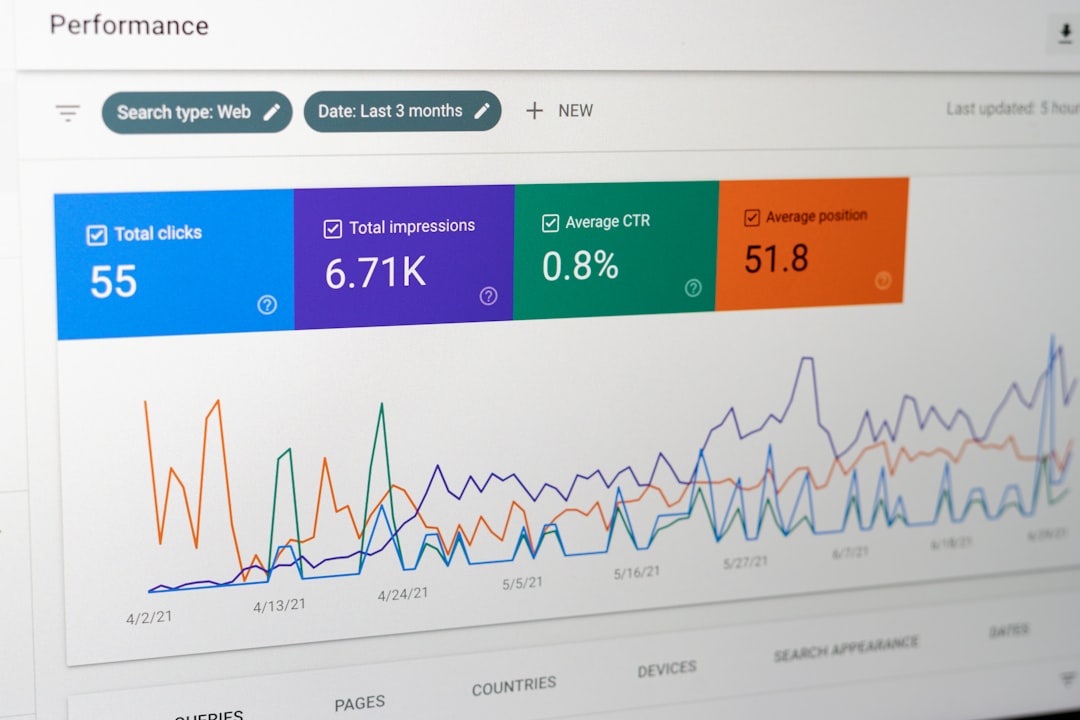
Use analytics to guide improvements. For instance, if a module has low completion, you might add a short orientation video, split a long lesson into smaller parts, simplify an assignment, or send an automated encouragement email. Data should not replace instructional judgment, but it can reveal patterns that are otherwise easy to miss.
Plan for Updates and Version Control
Online education businesses often publish courses that need regular updates. Industries change, tools evolve, laws shift, and best practices become outdated. A course that was excellent two years ago may now feel stale.
Create a maintenance schedule for every course. High-change topics may need quarterly reviews, while evergreen subjects may only need annual updates. Keep a record of edits, including what changed, when it changed, and why. If your LMS supports version notes or internal comments, use them.
Version control matters most when learners are in progress. If you replace lessons or change requirements mid-course, communicate clearly. Let learners know whether the update affects their progress, assignments, or certification criteria.
Build Support into the Course Experience
Even the clearest course will generate questions. Instead of forcing learners to search for help, publish support resources directly inside the LMS. Add a “Start Here” section, frequently asked questions, contact instructions, office hour details, or community guidelines.
Support content should answer practical questions such as:
- How do I reset my password?
- Where do I download course materials?
- How do I submit an assignment?
- When will I receive feedback?
- How do I access my certificate?
- Who do I contact for billing or technical help?
This reduces administrative workload and improves learner confidence. It also signals professionalism, which matters when learners are deciding whether to buy another course from you.
Automate Communication Without Losing the Human Touch
Automated messages can improve the learning experience when they are timely and useful. Welcome emails, progress reminders, milestone congratulations, and re-engagement messages help learners stay connected.
However, automation should sound human. Avoid generic messages that feel robotic or overly promotional. A strong completion email might congratulate the learner, summarize what they achieved, invite them to apply the skill, and suggest the next logical course or resource.
Use automation for:
- Enrollment confirmations
- Course start instructions
- Weekly learning reminders
- Incomplete lesson nudges
- Assignment submission confirmations
- Certificate delivery
- Follow-up offers or continuing education pathways
Protect Content and Manage Access Carefully
For online education businesses, course content is intellectual property. LMS publishing should include access controls that protect paid materials while keeping the learner experience smooth.
Set clear permissions for students, instructors, assistants, affiliates, and administrators. Review who can edit content, view learner data, issue certificates, or access revenue reports. If you sell team licenses or corporate training, make sure group managers can see only the information they are allowed to access.
Content protection may include secure video hosting, download restrictions, watermarking, limited-time access, or account monitoring. Balance protection with convenience. Overly restrictive systems can annoy legitimate customers, while overly open systems can expose your assets.
Final Thoughts
LMS publishing is where content, technology, teaching, and business strategy meet. For online education businesses, it can determine whether learners feel supported or overwhelmed, whether they finish or disappear, and whether they buy again or ask for a refund.
The best approach is intentional and repeatable: structure courses around learner outcomes, test everything before launch, design for engagement, maintain brand consistency, use analytics after publishing, and keep improving over time. When your LMS publishing process is polished, your courses feel more valuable, your operations run more smoothly, and your learners are more likely to succeed.