
Across the renewable energy sector, solar operators are under growing pressure to increase production, reduce downtime, control maintenance costs, and prove long-term asset value. As solar portfolios expand from single sites to regional and global fleets, traditional monitoring tools are no longer enough. AI solar asset management platforms are changing how renewable energy operations are planned, monitored, maintained, and optimized by turning vast amounts of operational data into accurate, timely decisions.
TLDR: AI solar asset management platforms help solar owners and operators improve performance by analyzing equipment data, weather patterns, inspection results, and maintenance records in real time. These platforms detect faults earlier, predict failures, optimize energy output, and support smarter financial planning. By combining automation with advanced analytics, they reduce operational costs and improve the reliability of renewable energy assets.
Why Solar Asset Management Is Becoming More Complex
Solar energy has become one of the fastest-growing sources of electricity in the world. Utility-scale solar farms, commercial rooftop systems, community solar projects, and hybrid solar-plus-storage facilities are now generating power across diverse climates and grid conditions. However, as deployment grows, so does the complexity of managing these assets.
A solar portfolio may include thousands or even millions of individual components, including modules, inverters, trackers, combiner boxes, meters, sensors, batteries, and control systems. Each component can affect total energy production and financial performance. When data is scattered across multiple platforms, spreadsheets, inspection reports, and maintenance logs, operators may struggle to identify what is truly affecting performance.
Traditional asset management often relies on scheduled inspections, manual reporting, and reactive repairs. While this approach can work for smaller systems, it becomes inefficient at scale. AI-based platforms improve this model by continuously collecting and interpreting operational data, making it possible to identify underperformance, prioritize interventions, and forecast outcomes with greater precision.
How AI Platforms Collect and Integrate Solar Data
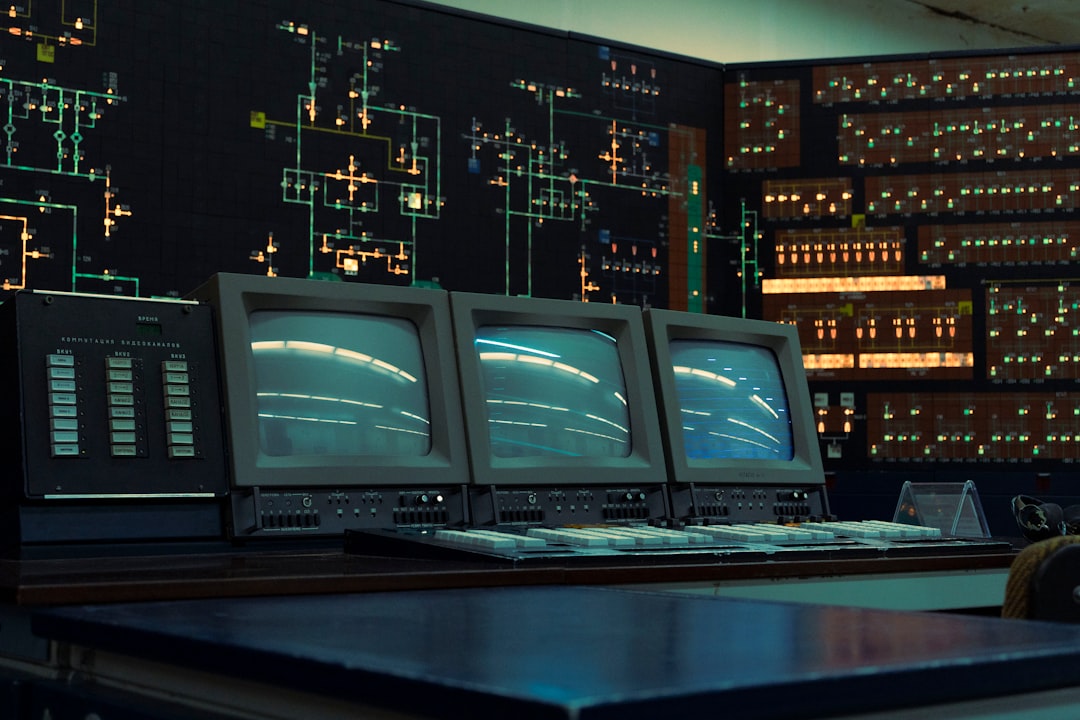
The foundation of AI solar asset management is data integration. These platforms collect information from many sources, including supervisory control and data acquisition systems, weather stations, satellite imagery, drone inspections, inverter logs, smart meters, and maintenance management systems.
Instead of viewing each data source separately, AI platforms combine them into a unified operational view. This allows asset managers to compare expected performance with actual performance and determine whether losses are caused by equipment faults, soiling, shading, weather variability, grid curtailment, or design limitations.
Common data inputs include:
- Energy production data: Output from modules, strings, inverters, and meters.
- Environmental data: Irradiance, temperature, humidity, wind speed, and cloud cover.
- Equipment condition data: Fault codes, voltage irregularities, thermal anomalies, and degradation indicators.
- Inspection data: Drone imagery, infrared scans, electroluminescence results, and field technician notes.
- Financial data: Power purchase agreement terms, availability guarantees, operating costs, and revenue forecasts.
By bringing these inputs together, AI systems help operators move from fragmented reporting to portfolio-wide intelligence.
Predictive Maintenance and Earlier Fault Detection
One of the most valuable uses of AI in solar operations is predictive maintenance. Instead of waiting for a component to fail or relying only on fixed maintenance schedules, AI models analyze patterns that may indicate an upcoming issue. This enables operators to act before a minor problem becomes a major outage.
For example, an inverter may begin showing subtle signs of stress, such as temperature fluctuations, irregular power conversion efficiency, or repeated non-critical fault codes. A human operator reviewing hundreds of alerts may overlook these patterns, but an AI system can identify that similar symptoms have previously led to inverter failure within a certain timeframe.
This predictive capability supports better maintenance planning. Field teams can be dispatched when intervention is most cost-effective, spare parts can be ordered in advance, and repairs can be coordinated with low-production periods. The result is improved uptime and lower emergency repair costs.
Predictive maintenance also improves safety. By identifying overheating components, electrical mismatches, or abnormal degradation, AI platforms help reduce the likelihood of hazardous failures and protect technicians working in the field.
Performance Optimization Across Solar Portfolios
AI platforms do more than detect failures; they help optimize performance across entire portfolios. A solar plant may appear to be operating normally at a high level, while individual sections are quietly underperforming. AI can pinpoint these hidden losses by comparing real-time performance with expected output under current environmental conditions.
For instance, two identical inverter blocks within the same solar farm may receive similar irradiance but produce different amounts of energy. AI can analyze the difference and recommend investigation into soiling, module mismatch, tracker misalignment, cabling losses, or inverter inefficiency.
At the portfolio level, these insights become even more valuable. Operators can rank sites by lost revenue, performance ratio, maintenance urgency, or contractual risk. This helps asset managers decide where to allocate budgets and field crews for the greatest return.

Improving Forecasting and Grid Integration
Accurate energy forecasting is essential for renewable energy operations. Solar output depends on weather conditions, seasonal changes, equipment availability, and grid limitations. AI platforms improve forecasting by combining historical production data, weather forecasts, satellite imagery, and machine learning models.
Better forecasts help plant operators and energy traders estimate how much electricity a solar asset will produce in the next hour, day, week, or season. This is especially important in markets where generators are penalized for deviating from scheduled output. More accurate forecasts can reduce imbalance costs and strengthen participation in energy markets.
AI also supports grid integration by helping operators respond to curtailment, voltage fluctuations, and congestion. In solar-plus-storage systems, AI can coordinate battery charging and discharging strategies to maximize revenue, support grid stability, and meet contractual obligations.
Automating Asset Reporting and Compliance
Solar asset management involves extensive reporting. Investors, lenders, insurers, utilities, regulators, and internal teams all require accurate information about performance, availability, incidents, maintenance activities, and revenue. Manual reporting can be time-consuming and prone to errors, especially when data must be gathered from multiple systems.
AI-powered platforms automate much of this process. They can generate dashboards, maintenance summaries, production reports, availability calculations, and performance variance explanations. Natural language processing can also help convert technical data into clearer summaries for non-technical stakeholders.
This automation improves transparency and governance. Asset owners gain a clearer understanding of operational health, while operations teams spend less time preparing reports and more time solving problems. In competitive renewable energy markets, clear and timely reporting can improve investor confidence and support better decision-making.
Enhancing Drone and Image-Based Inspections
Drone inspections have become common in solar operations because they allow large sites to be inspected quickly. However, collecting images is only the first step. The real challenge is analyzing thousands of thermal and visual images efficiently and accurately.
AI image recognition tools can identify module defects, hotspots, cracked cells, vegetation encroachment, soiling patterns, tracker misalignment, and damaged equipment. These systems can classify defects by severity and estimate their impact on energy production.
Instead of giving operators a large folder of inspection images, AI platforms create actionable work orders and geospatial maps. Maintenance crews can then go directly to the affected location and address the highest-priority issues first.
Image not found in postmetaFinancial Optimization and Revenue Protection
Solar assets are long-term investments, often expected to operate for 25 to 35 years. Small performance losses can become significant financial losses over time. AI solar asset management platforms help protect revenue by linking operational data with financial models.
If a specific fault reduces output by two percent at a high-value site, the platform can estimate the revenue impact and compare it with the cost of repair. This allows asset managers to prioritize actions based not only on technical urgency, but also on financial value.
AI can also support warranty claims by providing detailed evidence of equipment underperformance. It can identify whether a module, inverter, or tracker is failing to meet expected standards and provide documentation for manufacturers or service providers. This strengthens contract management and reduces disputes.
Reducing Operational Costs
Cost control is a major benefit of AI-based solar asset management. By automating monitoring, diagnostics, reporting, and maintenance prioritization, operators can manage larger portfolios without proportionally increasing staff. Field visits become more targeted, and unnecessary truck rolls are reduced.
AI also helps improve spare parts management. By predicting likely equipment failures, operators can maintain appropriate inventory levels and avoid both shortages and excessive stock. Over time, the platform can reveal which manufacturers, models, or site conditions are associated with higher maintenance costs.
The operational savings may include:
- Fewer emergency repairs and unplanned outages.
- Lower labor costs through automated diagnostics.
- Reduced inspection time through AI-assisted image analysis.
- Improved spare parts planning and procurement.
- Better prioritization of maintenance budgets.
Supporting Sustainability and Lifecycle Management
AI solar asset management also contributes to broader sustainability goals. By improving energy yield from existing assets, these platforms increase the amount of clean electricity generated without requiring additional land, materials, or construction. This supports higher renewable penetration and reduces dependence on fossil fuel generation.
Lifecycle management is another important area. AI can track long-term degradation trends, compare them against expected performance, and help determine when repowering or component replacement becomes economically justified. This is especially useful as the first generation of large solar projects approaches midlife and end-of-life planning.
With better data, owners can decide whether to replace aging inverters, upgrade modules, add storage, improve tracking systems, or renegotiate service contracts. These decisions are more effective when supported by accurate forecasts and historical performance analysis.
Challenges in Adopting AI Solar Asset Management
Although AI offers major advantages, adoption is not without challenges. Data quality is one of the most significant barriers. If sensors are inaccurate, naming conventions are inconsistent, or historical records are incomplete, AI models may produce unreliable recommendations. Successful implementation often requires data cleaning, system integration, and clear operational processes.
Another challenge is trust. Operations teams may be hesitant to rely on AI recommendations unless the platform explains why an alert or prediction has been generated. Modern platforms increasingly address this by providing transparent diagnostics, confidence scores, and supporting evidence.
Cybersecurity is also important. Solar plants are increasingly connected to digital systems, and asset management platforms must protect operational data and control interfaces. Strong access controls, encryption, monitoring, and vendor security practices are essential.
The Future of AI in Renewable Energy Operations
The role of AI in solar asset management is expected to expand as renewable energy systems become more interconnected. Future platforms will likely integrate solar, wind, battery storage, electric vehicle charging, and grid services into unified energy management ecosystems.
Advanced AI models may autonomously recommend dispatch strategies, maintenance schedules, market participation plans, and repowering investments. Digital twins of solar plants will become more sophisticated, allowing operators to simulate performance under different technical and financial scenarios.
As the renewable energy industry matures, the most successful operators will likely be those that combine human expertise with intelligent automation. AI will not replace asset managers, engineers, or technicians; it will strengthen their ability to manage complex portfolios with speed, accuracy, and financial discipline.
Conclusion
AI solar asset management platforms are becoming essential tools for modern renewable energy operations. They improve visibility, detect issues earlier, optimize maintenance, strengthen forecasting, automate reporting, and protect asset value. For solar owners and operators managing increasingly complex portfolios, AI provides a more intelligent path to higher energy production and lower operational risk.
As solar energy continues to scale globally, the industry’s success will depend not only on building new capacity but also on operating existing assets as efficiently as possible. AI-driven asset management helps make that possible by transforming data into practical action.
FAQ
What is an AI solar asset management platform?
An AI solar asset management platform is software that uses artificial intelligence, machine learning, and data analytics to monitor, manage, and optimize solar energy assets. It analyzes operational data, equipment behavior, weather conditions, inspections, and financial metrics to improve performance and reduce costs.
How does AI improve solar plant performance?
AI improves performance by comparing actual energy production with expected output, detecting underperforming equipment, identifying causes of losses, and recommending corrective actions. It can reveal issues such as inverter faults, soiling, shading, tracker errors, and module degradation.
Can AI predict solar equipment failures?
Yes. AI can detect patterns in equipment data that often appear before failures occur. This allows operators to schedule preventive maintenance, reduce downtime, and avoid costly emergency repairs.
Is AI useful for small solar portfolios?
AI is especially valuable for large portfolios, but smaller portfolios can also benefit from better monitoring, automated reporting, and early fault detection. The value depends on system size, operating complexity, data availability, and financial priorities.
Does AI replace solar operations teams?
No. AI supports operations teams by automating analysis and highlighting priorities. Human experts are still needed to make strategic decisions, perform field repairs, verify diagnoses, and manage commercial obligations.
What data is needed for AI solar asset management?
Typical data includes production records, inverter data, weather information, sensor readings, inspection images, maintenance logs, equipment specifications, and financial contract details. Higher-quality data generally leads to more accurate insights.
What are the main benefits of using AI in solar asset management?
The main benefits include higher energy yield, reduced downtime, lower maintenance costs, improved forecasting, better reporting, stronger warranty support, and improved long-term asset value.